




Take profit first so expenses fit what remains
The usual sales-minus-expenses habit trains owners to spend every visible dollar and leave the bank empty.
IJR · Nov 1, 2026 · 13 min read
In 60 seconds
- Michalowicz argues Sales minus Expenses equals Profit makes profit leftovers that almost never appear.
- He flips the order to Sales minus Profit equals Expenses so a fixed slice leaves before any operating spend.
- Separate bank accounts act like envelopes and hide cash from the reflex to spend whatever is visible.
- An Instant Assessment uses Real Revenue to show the gap between current allocations and band benchmarks.
- Move toward targets by about 1% each quarter; take half the profit account as a felt quarterly reward.
- Even heavy debt gets a small non-negotiable profit slice plus a Debt account rather than a total freeze.
The big idea
Michalowicz argues the standard accounting order guarantees empty accounts because expenses swell to match whatever cash owners can see. He says the fix is mechanical: pull profit first into sealed accounts at small fixed percentages so the business must run on what remains.
The book in brief
Michalowicz starts from a blunt diagnosis: Sales minus Expenses equals Profit is not neutral bookkeeping but a trap. Profit sits last, so it rarely appears. Expenses expand to match visible cash, a money version of Parkinson's Law. He lived it after selling a company and watching the proceeds vanish within two years into angel investing he barely understood—outwardly successful, personally insolvent.
The fix is a rearrangement, not a bigger top line. Sales minus Profit equals Expenses. A fixed small percentage leaves for profit before any operating choice. What remains is the real budget. To enforce it without willpower, he turns household envelope budgeting into bank structure. Revenue lands in Income, then standing transfers fill Profit, Owner's Compensation, Tax, and Operating Expenses. Spending happens only from the last account.
Before chasing targets, owners run the Instant Assessment. Real Revenue is top-line minus materials and subcontractors passed through to clients. Current spend on profit, pay, tax, and operations is compared to benchmarks by revenue band. For Real Revenue under $250,000 the book offers 5% profit, 50% owner's compensation, 15% tax, and 30% operating expenses. Most owners find operations far above the line because costs piled up one justified decision at a time.
Gaps close slowly. Roughly 1% allocation shifts each quarter prevent the panic of overnight cuts. A landscaping owner who tried to drop operating expenses fifteen points in one month lost two key employees; the next year the same target arrived through quarterly steps without the scramble. Every quarter, half the Profit account becomes a real distribution the owner is meant to feel and celebrate, so discipline gets a competing reward loop.
Debt does not pause the habit. A contractor carrying six figures still began a 1% profit distribution on day one while funding a Debt account and negotiating with creditors. Accounts need friction too: Profit, Tax, and owner's pay should sit at another bank where transfers take a day or two. The arc lands on profitability as a boring mechanical routine—standing transfers and sealed balances—rather than growth, grit, or a clean slate that never arrives.
Context
Mike Michalowicz published Profit First in 2014 after building and selling a company only to watch the money disappear within two years into angel investing he barely understood. The book mattered because it reframed profitability as a habit built through bank-account structure and small percentages, not a distant goal reached by growth or willpower, and spoke directly to owners who looked fine on paper and broke in cash.
The key ideas

1
The formula is backward
Sales minus Expenses equals Profit trains owners to pay everyone else first and treat profit as leftovers that almost never appear.
Old formula
Sales − Expenses = Profit as leftovers
New formula
Sales − Profit = Expenses with profit removed first
Michalowicz opens with a claim that sounds absurd until the mechanism is plain: the accounting equation itself keeps businesses broke. Under Sales minus Expenses equals Profit, profit is whatever remains after vendors, employees, and casual owner spending. That remainder, he says, almost never shows up.
Expenses expand to meet available revenue. He spent the normal way the formula teaches—pay the bills, grow the team, chase the next sale—and let profit sort itself out later. The result was outward success and personal insolvency, not because of luxury binges but because the order of operations made overspending the default.
The proposed fix is rearrangement, not a bigger number. Sales minus Profit equals Expenses. A fixed small percentage leaves for profit before any operating decision. What remains becomes the real budget for running the business.
Financial behavior follows the order operations are written in. Change the order and the behavior changes without first changing the person. The rest of the book is a mechanical system to enforce the new formula automatically, because he does not trust intention against the expansion reflex for long.
In practice: After he built and sold a company, the money vanished within two years into angel investing he barely understood, leaving him successful on the outside and insolvent in private.
2
Cash signals spending
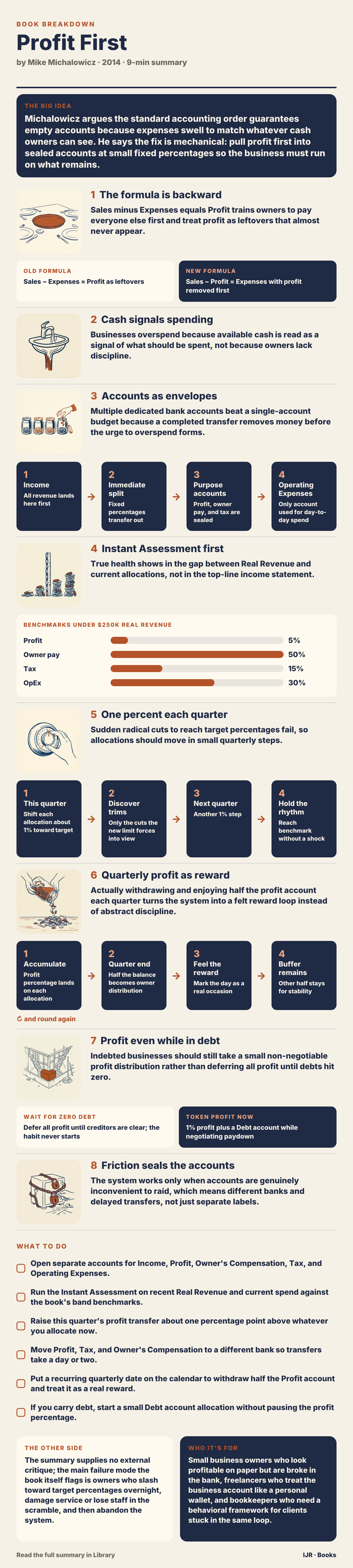
Businesses overspend because available cash is read as a signal of what should be spent, not because owners lack discipline.
Michalowicz builds on C. Northcote Parkinson's 1955 observation that work expands to fill the time allowed. He extends it to money: expenses expand to consume the cash sitting in an account.
If a business account holds $50,000, the owner will find $50,000 of legitimate-seeming reasons to use it—a new hire, upgraded software, a bigger inventory order. None of the choices feels reckless alone. Visibility drives spending. A large pooled balance quietly calibrates every decision to match it, whatever the money was actually earmarked for.
That is why telling owners to save more, or handing them a budget spreadsheet, rarely works. The spreadsheet never changes what the bank balance shows every morning. The countermeasure developed later is less visibility: move money out of sight so the operating account only ever displays what is truly free for expenses.
Behavioral structure has to come before financial strategy. No allocation percentage holds if the same tempting pooled balance keeps sending the wrong signal.
In practice: A restaurant owner saw a healthy checking balance after a good month, bought new kitchen equipment, and then came up short on payroll three weeks later.
3
Accounts as envelopes
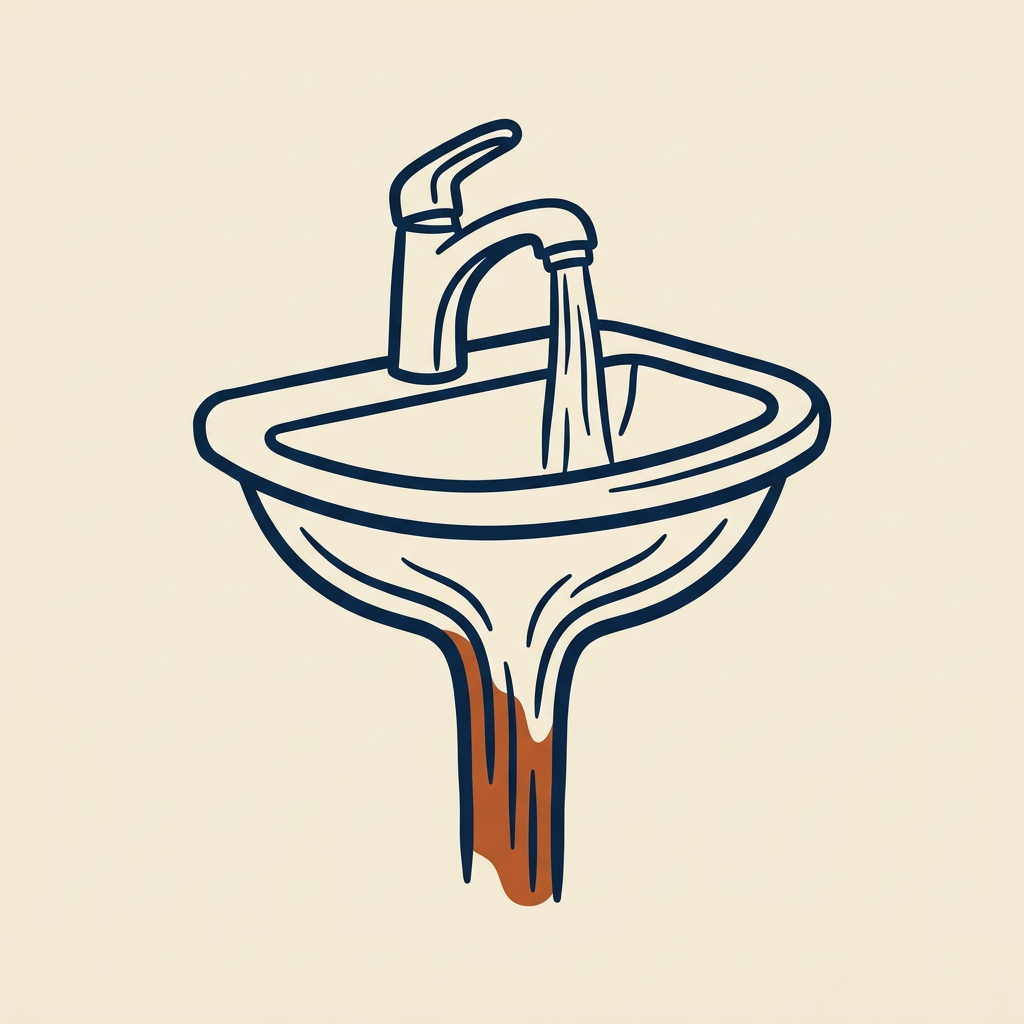
Multiple dedicated bank accounts beat a single-account budget because a completed transfer removes money before the urge to overspend forms.
- 1IncomeAll revenue lands here first
- 2Immediate splitFixed percentages transfer out
- 3Purpose accountsProfit, owner pay, and tax are sealed
- 4Operating ExpensesOnly account used for day-to-day spend
Once visibility is the problem, Michalowicz borrows the old household envelope method. Instead of one operating account holding all revenue, the business opens multiple accounts with locked purposes.
Revenue lands in an Income account first. Fixed percentages transfer at once into Profit, Owner's Compensation, Tax, and Operating Expenses. The owner spends only from Operating Expenses, which by design holds less than total revenue.
A transfer is an action, not an intention. Once money physically leaves Income, it is no longer available to rationalize into an expense. He compares this to automatic 401(k) withholding rather than trying to remember to save from a paycheck. The Tax account matters on its own: many small owners get hit with surprise bills after a good year because they spent revenue that was never really theirs. Segregating the tax percentage when revenue arrives ends the surprise.
The routine is almost boring—standing bank transfers—and that is the point. Profitability, in this frame, should need no more ongoing decision-making than a scheduled bill payment.
In practice: He points to automatic 401(k) withholding: money leaves before the owner can spend it, so saving does not depend on later willpower.
4
Instant Assessment first
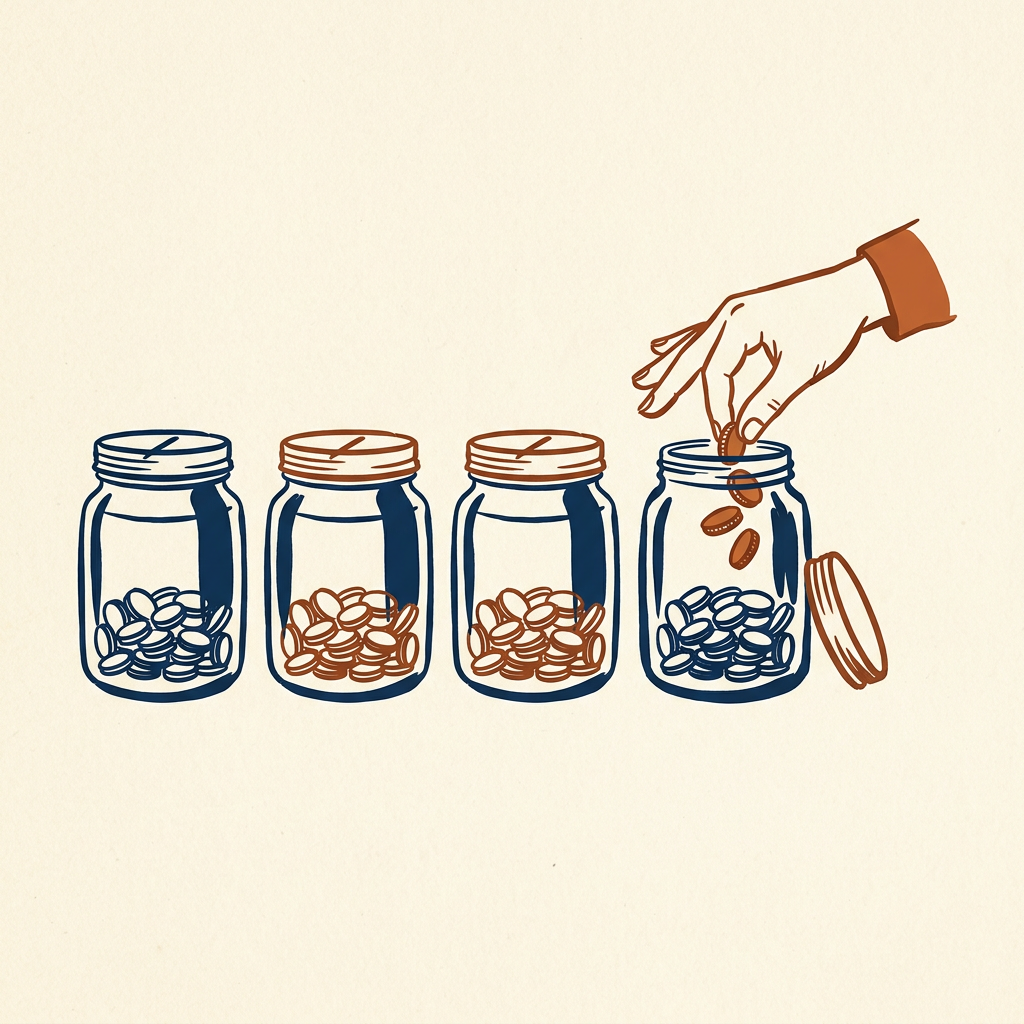
True health shows in the gap between Real Revenue and current allocations, not in the top-line income statement.
Benchmarks under $250k Real Revenue
Before any target percentage, Michalowicz wants a diagnosis. Generic advice applied to a business already deep in debt can make things worse.
The Instant Assessment starts with top-line revenue, then subtracts materials and subcontractors passed through to clients. What remains is Real Revenue—the money the business actually generates from its own labor and margin. Against that figure the owner lists current spending on operating expenses, owner's pay, taxes, and profit, then compares those shares to benchmarks by revenue band.
A business under $250,000 in Real Revenue, for instance, might be benchmarked at 5% profit, 50% owner's compensation, 15% tax, and 30% operating expenses. Bands shift toward lower owner pay and higher profit as revenue grows. The point is not to hit the numbers at once but to see the gap. Most owners discover operating expenses far above benchmark because costs accumulated one justified decision at a time.
The diagnostic step blocks blind application of the account system. It forces a numeric confrontation with where the business currently leaks before any percentage changes.
In practice: A marketing agency owner assumed a sales problem; the assessment showed operating expenses near 80%, bloated by underused office space and redundant software subscriptions.

5
One percent each quarter
Sudden radical cuts to reach target percentages fail, so allocations should move in small quarterly steps.
- 1This quarterShift each allocation about 1% toward target
- 2Discover trimsOnly the cuts the new limit forces into view
- 3Next quarterAnother 1% step
- 4Hold the rhythmReach benchmark without a shock
Once the gap is visible, the temptation is to slash operating expenses to benchmark overnight. Michalowicz warns that abrupt cuts trigger the overspend reflex in reverse: panic, corner-cutting on client service, and eventual abandonment of the whole system.
His alternative is parking money incrementally. Adjust each account's allocation by roughly 1% every quarter, creeping toward the benchmark. A business at 1% profit targeting 5% moves to 2% for one quarter, finds a manageable set of trims, then to 3%, and so on.
Small sustainable changes survive; large dramatic ones spike and collapse. The quarterly rhythm also smooths seasonal revenue swings so a single bad month does not trigger a false crisis, and it gives deliberate review moments instead of daily reaction.
Financial transformation under this system is deliberately slow because slowness is what makes it survivable.
In practice: A landscaping owner who tried to cut operating expenses fifteen points in one month canceled contracts and lost two key employees; the following year, 1% quarterly shifts hit the same target without disruption.
6
Quarterly profit as reward
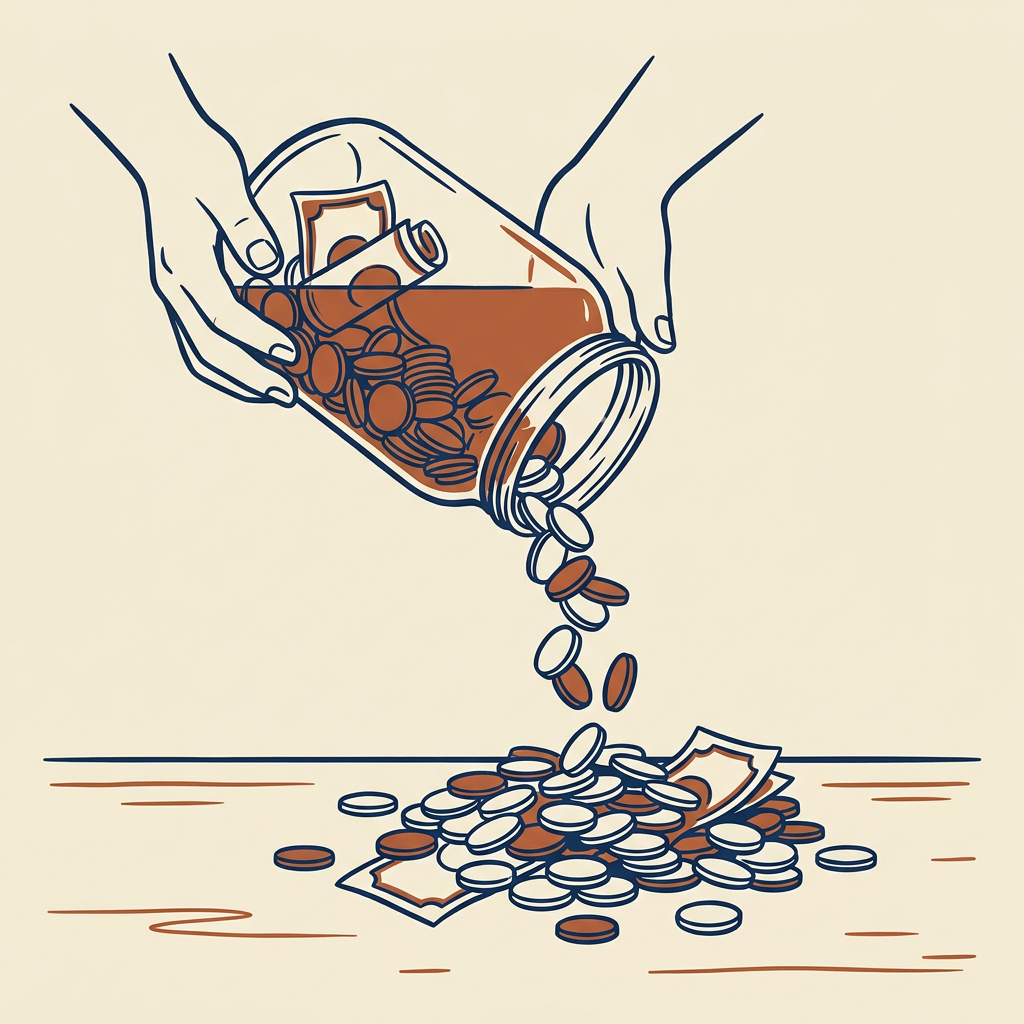
Actually withdrawing and enjoying half the profit account each quarter turns the system into a felt reward loop instead of abstract discipline.
- 1AccumulateProfit percentage lands on each allocation
- 2Quarter endHalf the balance becomes owner distribution
- 3Feel the rewardMark the day as a real occasion
- 4Buffer remainsOther half stays for stability
↻ and round again
The profit account is useless if the money only sits. The reinforcing mechanism is the ritual of withdrawing and enjoying a portion every quarter.
Michalowicz recommends taking 50% of whatever has accumulated in Profit as a distribution to the owner or owners by equity, leaving the other half as a buffer. Treat distribution day as a genuine occasion rather than a quiet transfer into savings that gets forgotten.
If the original formula trained owners to associate spending with reward, the new system needs its own competing loop. A quarterly distribution owners actually feel reinforces the account structure far more durably than a resolution to be careful.
Discipline that never pays out in lived experience loses to the old spending habit. The celebration is not decoration; it is the mechanism that keeps the transfers going.
In practice: Michalowicz describes marking distribution day with a real celebration with his team or family instead of silently parking the sum in savings.

7
Profit even while in debt
Indebted businesses should still take a small non-negotiable profit distribution rather than deferring all profit until debts hit zero.
Wait for zero debt
Defer all profit until creditors are clear; the habit never starts
Token profit now
1% profit plus a Debt account while negotiating paydown
A common objection is that a business carrying significant debt cannot afford profit at all—every dollar should go to creditors until the slate is clean. Michalowicz rejects the freeze.
A business that has never practiced taking profit will not suddenly develop the habit once debts are paid. The habit has to be built now, at whatever scale is affordable, even a token 1%. Creditors are rarely harmed by a business that survives and pays slowly; they are harmed if it collapses while starving itself of any reserve.
He recommends a Debt account alongside profit, tax, and operating accounts, treating repayment as its own disciplined line rather than an excuse to suspend the system. Negotiating reduced or deferred payments with creditors counts as part of the plan, not failure—he cites negotiating his own obligations after the angel-investing losses.
Waiting for a clean financial slate before starting good habits usually means the habits never start, because the slate is rarely clean and the temptation to defer is always available.
In practice: A construction contractor carrying six figures of debt began a 1% profit distribution on day one of the system and used that early psychological win to sustain two years of debt paydown.
8
Friction seals the accounts
The system works only when accounts are genuinely inconvenient to raid, which means different banks and delayed transfers, not just separate labels.
A detail easy to dismiss decides whether the envelopes hold. Which bank holds the accounts, and how fast money can move between them, matters as much as the percentages.
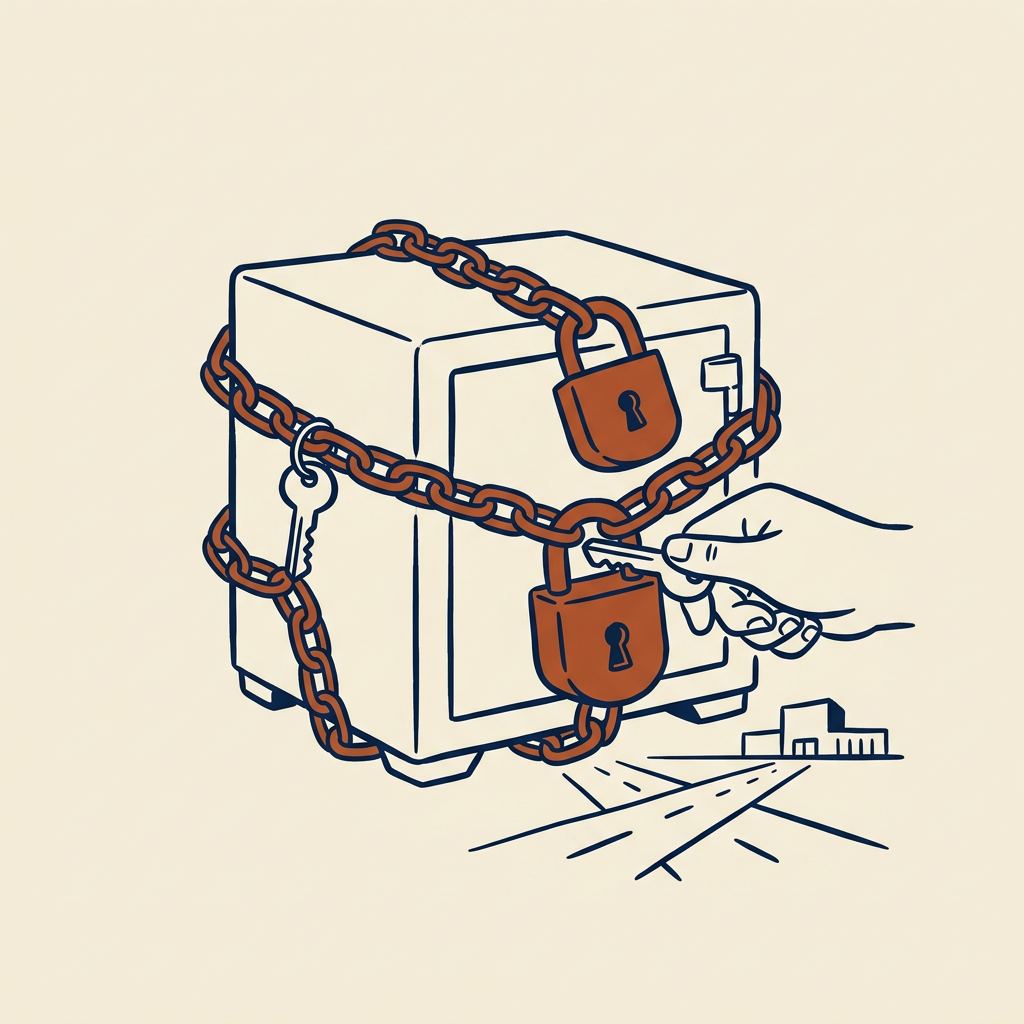
Michalowicz advises against keeping all accounts at the same bank as primary checking. Same-bank transfers are typically instant and take only a few clicks, which undermines the purpose of separating the money.
Park the Profit, Tax, and Owner's Compensation accounts at a different institution entirely. Prefer one where a transfer takes a day or two to clear. Impulse then meets friction before the raid can finish.
Labels alone do not change behavior. Deliberate inconvenience is what keeps sealed money sealed when the operating balance looks tight.
In practice: He wants Profit, Tax, and owner's pay at another institution so a transfer takes a day or two instead of a few same-bank clicks.
Key terms
- Profit First formula Sales minus Profit equals Expenses; profit leaves before operating spend is set
- Parkinson's Law for money Expenses expand to consume whatever cash is visible in the account
- Real Revenue Top-line revenue minus materials and subcontractors passed through to clients
- Instant Assessment Compare current allocations of Real Revenue to benchmark percentages by revenue band
- Envelope accounts Separate bank accounts for Income, Profit, Owner's Compensation, Tax, and Operating Expenses
- Allocation percentage The fixed share of revenue transferred into each purpose account
- Quarterly distribution Taking 50% of the Profit account as an owner reward and leaving half as buffer
- Debt account A dedicated allocation for repayment so debt does not freeze the profit habit
What to do
- Open separate accounts for Income, Profit, Owner's Compensation, Tax, and Operating Expenses.
- Run the Instant Assessment on recent Real Revenue and current spend against the book's band benchmarks.
- Raise this quarter's profit transfer about one percentage point above whatever you allocate now.
- Move Profit, Tax, and Owner's Compensation to a different bank so transfers take a day or two.
- Put a recurring quarterly date on the calendar to withdraw half the Profit account and treat it as a real reward.
- If you carry debt, start a small Debt account allocation without pausing the profit percentage.
Questions to think with
- What spending does your current operating balance quietly authorize every time you look at it?
- If profit left first at just 1% this month, which expense would feel the squeeze first?
- Are you postponing any profit habit until debt hits zero, and what keeps resetting that finish line?
- How many clicks and how much time does it take right now to move money out of your main checking account?
- When did you last take money out of the business as profit you actually felt, not just as owner's draw for bills?
The other side
The summary supplies no external critique; the main failure mode the book itself flags is owners who slash toward target percentages overnight, damage service or lose staff in the scramble, and then abandon the system.
Who it's for
Small business owners who look profitable on paper but are broke in the bank, freelancers who treat the business account like a personal wallet, and bookkeepers who need a behavioral framework for clients stuck in the same loop.