




How Russian hackers made Ukraine a cyberweapon lab
Sandworm is the book security professionals, executives, and policymakers need when they want the concrete story of how regional cyberwar produced global economic wreckage.
IJR · Nov 6, 2026 · 13 min read
In 60 seconds
- Researchers in 2014 found a patient hacking group, later nicknamed Sandworm, probing industrial control systems rather than just stealing files.
- Greenberg shows the December 2015 Ukrainian blackout was the first confirmed case of malware physically cutting power to roughly 230,000 customers.
- The 2016 Crash Override attack proved the group had built an automated, reusable weapon that spoke real grid protocols.
- NotPetya entered in June 2017 through a poisoned M.E.Doc update and spread as a wiper disguised as ransomware.
- Within days it inflicted more than $10 billion in damage on firms like Maersk, Merck, and FedEx that were never the intended target.
- Greenberg argues Ukraine served as Russia's live testing ground while the world still has almost no rules, deterrent, or legal recourse when digital weapons escape.
The big idea
Greenberg argues that a Russian military unit used Ukraine as a live-fire range to refine cyberweapons that could black out power grids and then unleash NotPetya, the costliest cyberattack on record. Because modern software and infrastructure are tightly linked across borders, those weapons cannot stay contained, and without agreed rules or real consequences every similar system remains exposed.
The book in brief
The story opens in 2014 when threat researchers chasing a PowerPoint zero-day noticed a hacking group with an unusual appetite for industrial control systems. Folder names nodding to Dune earned it the nickname Sandworm. Its targets kept circling back to Ukraine, already under military pressure after Crimea and the Donbas fighting. Greenberg frames the early work as patient reconnaissance, not ordinary espionage.
In December 2015 the group moved from watching to acting. Attackers who had lived for months inside three Ukrainian power companies seized their SCADA systems, opened breakers, flooded call centers, and wiped machines with KillDisk. Roughly 230,000 customers lost power. Engineers restored service only by driving to substations and closing switches by hand. A year later a Kyiv transmission substation went dark for about an hour under Crash Override, malware built to speak grid protocols on its own. Greenberg presents that second strike as a live rehearsal of a modular weapon that could be aimed elsewhere.
June 2017 brought NotPetya. It arrived through a corrupted update to M.E.Doc, the accounting software most Ukrainian businesses used for taxes. Once inside, it combined the leaked NSA exploit EternalBlue with Mimikatz credential theft and raced across networks. The ransom note was theater; the code destroyed the keys needed for recovery. Because companies with any Ukrainian presence ran the software, the worm jumped borders within hours.
Maersk lost its global terminal systems and later put the hit between $250 and $300 million. Merck reported around $870 million and vaccine-production trouble. FedEx’s TNT Express lost roughly $400 million. Greenberg tallies total damage above $10 billion. He then follows the slow attribution work that eventually tied the campaign to GRU Unit 74455, formalized by governments in February 2018.
The later chapters widen the lens. Greenberg treats Ukraine as a laboratory where nearly every disruptive technique first appeared before showing up elsewhere, protected by the fog of an ongoing shooting war. He spends time with the engineers who kept lights and logistics running through manual labor and accidental offline backups. The book closes on the policy vacuum: no cyber Geneva Conventions, weak deterrence, and almost no price paid by the operators behind the costliest attack yet.
Context
Andy Greenberg published Sandworm in 2019 as a narrative investigation of one Russian military hacking unit. It mattered because it gave the first sustained public account linking the pioneering Ukrainian grid blackouts to NotPetya and argued that the same uncontained techniques now threaten any country running comparable industrial and enterprise software.
The key ideas
1
Years of quiet reconnaissance
State hacking units can live inside industrial control systems for years before outsiders even name them.
Greenberg opens with analysts at iSight Partners who, in 2014, chased a zero-day inside Microsoft PowerPoint. The phishing hit NATO staff, Ukrainian officials, and energy engineers. Digging into the command servers, they found Dune references and the sandworm nickname stuck.
What stood out was not the phishing. The group showed a researcher’s curiosity about the specialized software that runs power plants, water systems, and factory floors. This looked like preparation for physical effects, not document theft.
Greenberg uses the episode to show how attribution actually works: reused infrastructure, coding habits, and target patterns accumulate slowly. No single smoking gun appeared, yet the sophistication and focus already pointed past ordinary criminals toward a well-resourced state actor. Ukraine kept surfacing as the common thread.
In practice: The same campaign that phished energy-sector engineers left folder paths and file names drawn straight from Frank Herbert’s Dune, giving researchers the handle they still use.

2
First confirmed blackout
The December 2015 attack proved a purely digital intrusion could physically cut electricity to hundreds of thousands of people.
230,000
customers who lost power in the 2015 Ukrainian blackout
On December 23, 2015, operators at three Ukrainian power distributors watched breakers open by themselves. Power dropped for roughly 230,000 customers in the Ivano-Frankivsk region. The intruders had spent months harvesting credentials and mapping the networks with BlackEnergy malware.
They seized the utilities’ own SCADA software, opened the breakers, and jammed call centers with fake outage reports so customers could not get through. A wiper called KillDisk then erased logs and slowed any digital recovery.
Ukrainian crews restored service the only way left: driving to substations in winter and closing breakers by hand. Greenberg treats that manual fix as the real lesson. Automation itself had become the weapon. The event forced utilities worldwide to stop treating grid cyberattacks as theoretical.
In practice: After KillDisk wiped their screens, engineers had to motor out to remote substations and physically throw the switches the attackers had opened remotely.
3
Automated grid weapon
The 2016 Kyiv attack showed Sandworm had moved from keyboard-driven sabotage to a reusable, protocol-fluent framework.
2015 BlackEnergy
Hands-on keyboard control of stolen SCADA interfaces in real time
2016 Crash Override
Autonomous malware speaking native grid protocols in programmed sequences
Almost a year later, on December 17, 2016, a transmission substation outside Kyiv went dark for about an hour. The outage was smaller than 2015, yet the tooling was far more advanced. Researchers at ESET and Dragos dissected malware they named Industroyer or Crash Override.
Unlike BlackEnergy, which needed operators clicking through interfaces in real time, Crash Override spoke the actual communication protocols used by European grid equipment. It could open breakers on a programmed sequence with far less human babysitting.
Greenberg presents the short outage as deliberate restraint: a live-fire test of a modular weapon that could be retargeted at other countries once the protocol modules were swapped. Ukraine had become the rehearsal space.
In practice: Crash Override did not need an attacker watching every screen; it independently issued legitimate-looking commands that grid hardware already understood.
4
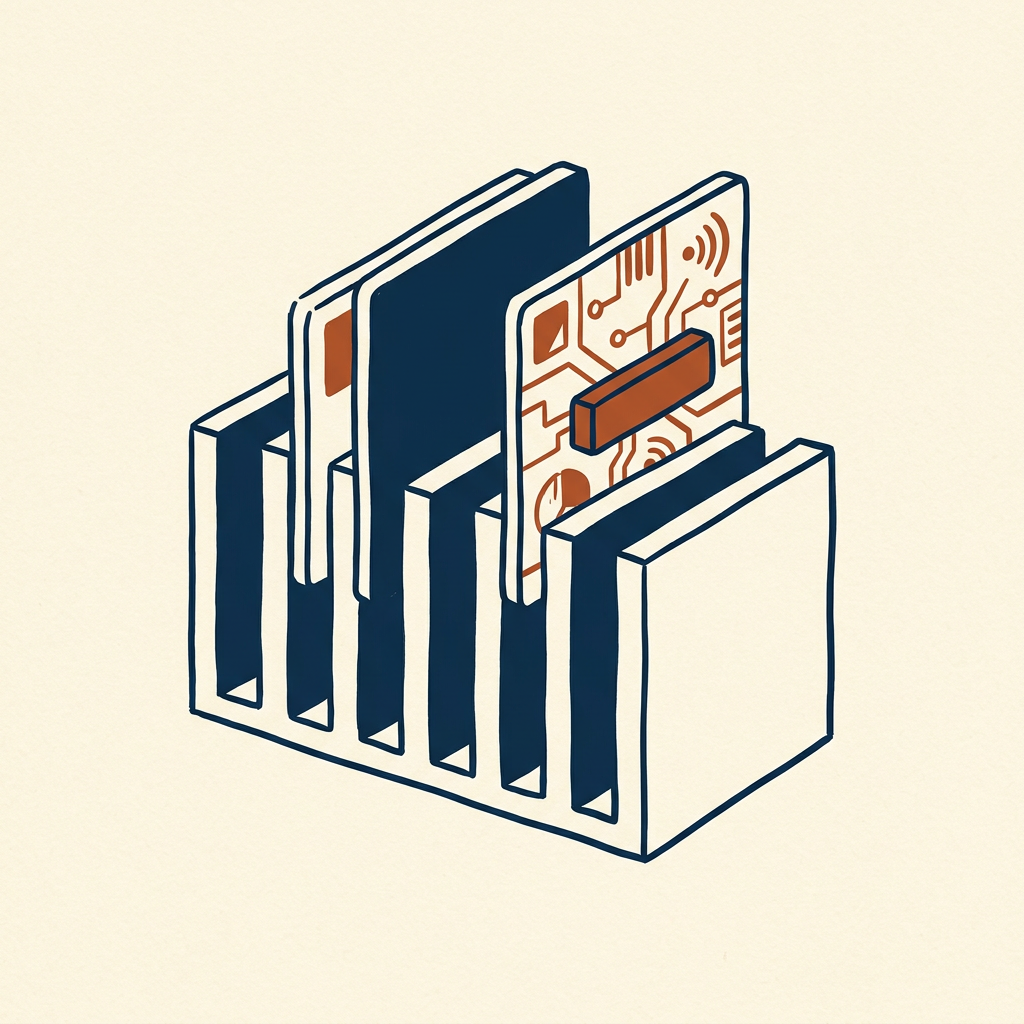
Poisoned trusted update
NotPetya turned a single country’s tax software into a worm that could not be contained once released.
- 1Poison the updateCorrupt the trusted M.E.Doc tax-software release used across Ukraine
- 2Land and moveDeploy EternalBlue and Mimikatz to seize admin rights and every reachable host
- 3Wipe and fake ransomDestroy decryption keys while showing a Bitcoin demand to mask the wiper
On June 27, 2017, malware dressed as ransomware began racing through Ukrainian networks. It arrived inside a routine update to M.E.Doc, the accounting program almost every business in the country used to file taxes. Supply-chain trust became the entry point.
Inside each network the code deployed EternalBlue, the NSA exploit leaked by the Shadow Brokers, plus Mimikatz to steal admin passwords. It then spread to every reachable machine. A ransom note demanded Bitcoin and mimicked earlier Petya ransomware, yet the encryption permanently destroyed the recovery keys.
Greenberg stresses the design choice: this was a wiper built to look like crimeware so its origin and purpose would stay muddy. Because global firms kept M.E.Doc on machines tied to Ukrainian subsidiaries or partners, the worm crossed borders in hours with no reliable kill switch.
In practice: A company that ran M.E.Doc on one regional office PC watched the worm jump from that single foothold into its entire global Windows domain.
5
Uncontained global cost
The economic damage of a cyberweapon can fall mainly on parties who were never the intended target.
Reported NotPetya losses
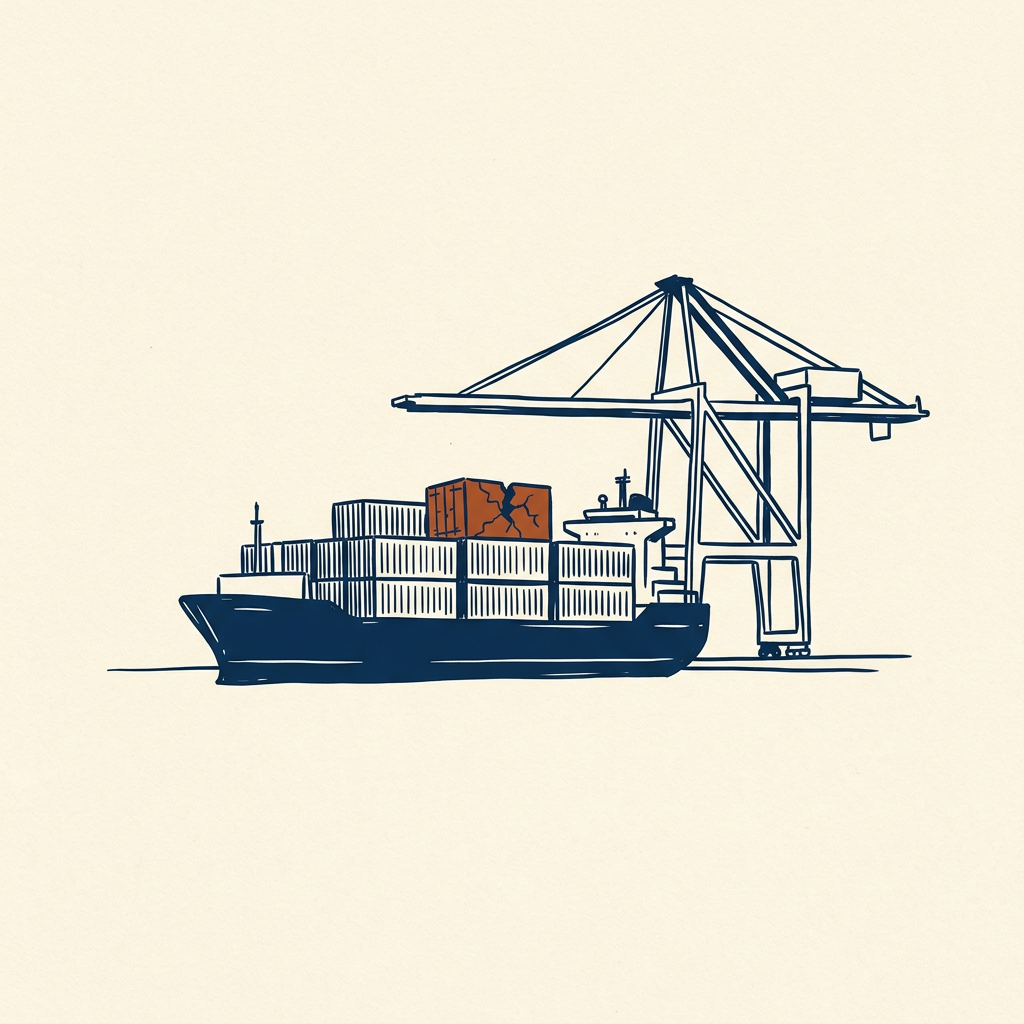
Within seventy-two hours NotPetya had halted firms with no stake in the Ukraine conflict. Maersk, moving close to a fifth of global container freight, lost its entire IT stack including port terminals worldwide. The company later estimated losses between $250 and $300 million and had to rebuild tens of thousands of devices from scratch.
Merck reported around $870 million and disruptions to vaccine production. FedEx’s European arm TNT Express lost approximately $400 million and never fully recovered its earlier systems. Mondelez, Saint-Gobain, and Reckitt Benckiser each took hits in the hundreds of millions. Greenberg cites a total above $10 billion, a figure the White House itself later used.
He argues this was not classic imprecise collateral. It was the predictable result of releasing a self-spreading worm into software channels that ignore national borders. No operator can fully cage such a tool once it is live.
In practice: Maersk’s global recovery hinged on one domain controller in Ghana that had stayed offline during a local power cut and therefore escaped the wipe.
6
Slow path to attribution
Pinning a cyberattack on a specific state unit is possible yet usually trails political needs and rarely meets courtroom standards.
- 2017Conflicting early theories, including a false Lazarus lead
- February 2018U.S., U.K. and allies publicly attribute NotPetya to Russia
- Later yearsIndictments and sanctions target GRU Unit 74455
No single lab named Sandworm overnight. Ukrainian cyber-police, energy regulators, ESET, Dragos, FireEye, and later U.S. and U.K. intelligence each added fragments. Early noise even pointed at North Korea’s Lazarus Group because of superficial overlap with WannaCry; deeper work killed that theory.
Researchers eventually matched infrastructure, coding style, and Moscow-time working hours to Unit 74455 of Russia’s GRU. In February 2018 the United States, United Kingdom, and partners publicly blamed Russia for NotPetya. Further indictments and sanctions followed in later years.
Greenberg treats the lag as structural. Technical confidence from private researchers is not the same as legal proof, and that gap itself lowers the cost of launching such operations.
In practice: Governments formally attributed NotPetya to Russia only in February 2018, months after the worm had already caused billions in damage.
7
Ukraine as proving ground
Russia treated Ukrainian grids, businesses, and agencies as a low-consequence lab for weapons it might later aim at richer targets.
- 1Test in UkraineDeploy new grid or wiper techniques under cover of the Donbas conflict
- 2Study the resultsObserve defender reactions, outage duration, and international response
- 3Refine the toolAdjust autonomy, protocols, or delivery for the next round or a new target
↻ and round again
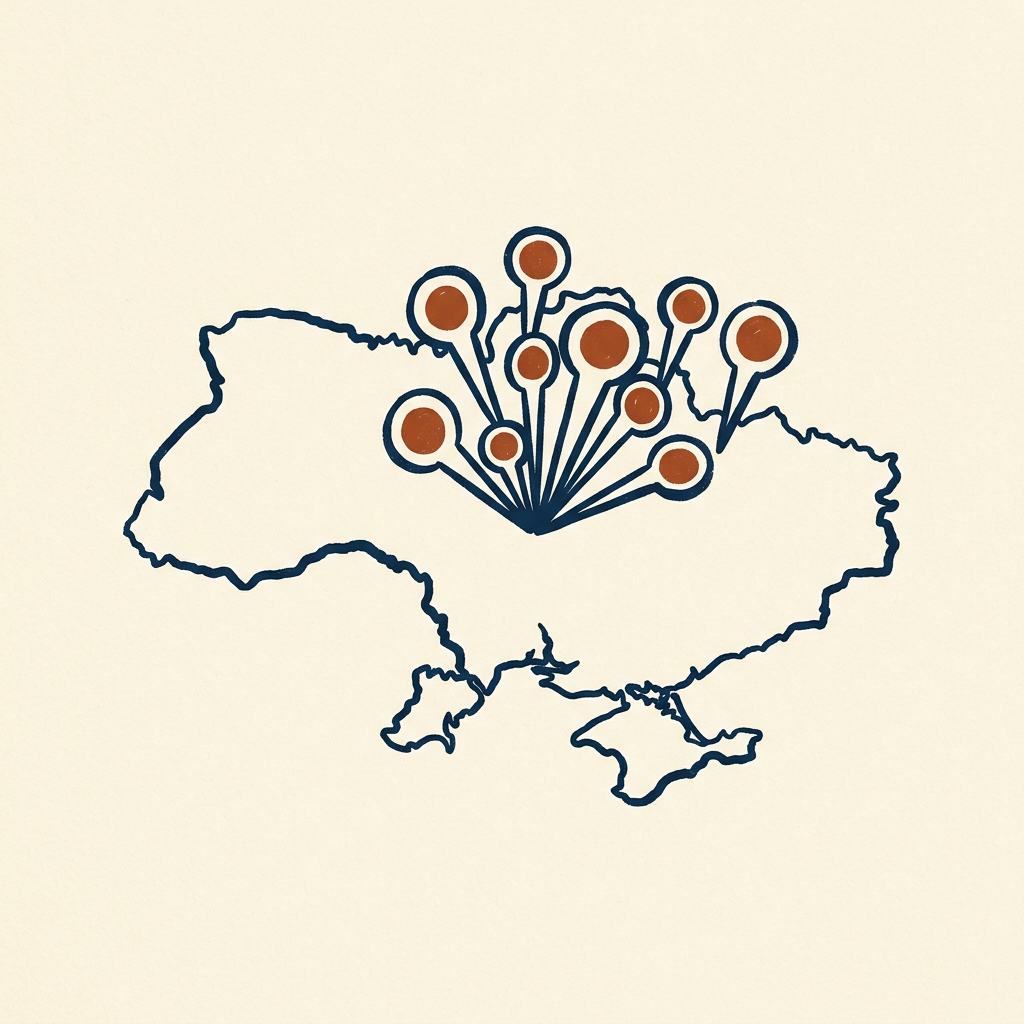
Greenberg places every major strike inside Russia’s wider post-2014 pressure campaign: conventional force in the east, information ops, economic coercion, and cyber. Ukrainian researchers told him that nearly every new disruptive tool first showed up against their country.
Government offices, media, the election commission, railways, and airports all absorbed hits around the same years as the blackouts and NotPetya. Shared language, legacy infrastructure, Western reluctance to escalate, and the fog of an active shooting war gave Moscow cover and access.
The pattern, Greenberg argues, was deliberate practice. Techniques could be refined where international push-back stayed muted, then held ready for higher-value networks running the same industrial and enterprise software.
In practice: Oleksii Yasinsky and other Ukrainian defenders watched new attack methods appear on their networks first, then later recognized the same methods aimed elsewhere.
8
People kept the lights on
Manual skill and accidental redundancy, not polished cyber defense products, actually preserved Ukraine’s grid and global logistics.
Greenberg lingers with the operators who absorbed the blows. During both blackouts, utility crews drove through freezing weather to throw switches by hand once they could no longer trust the automated systems. That old-fashioned labor restored power.
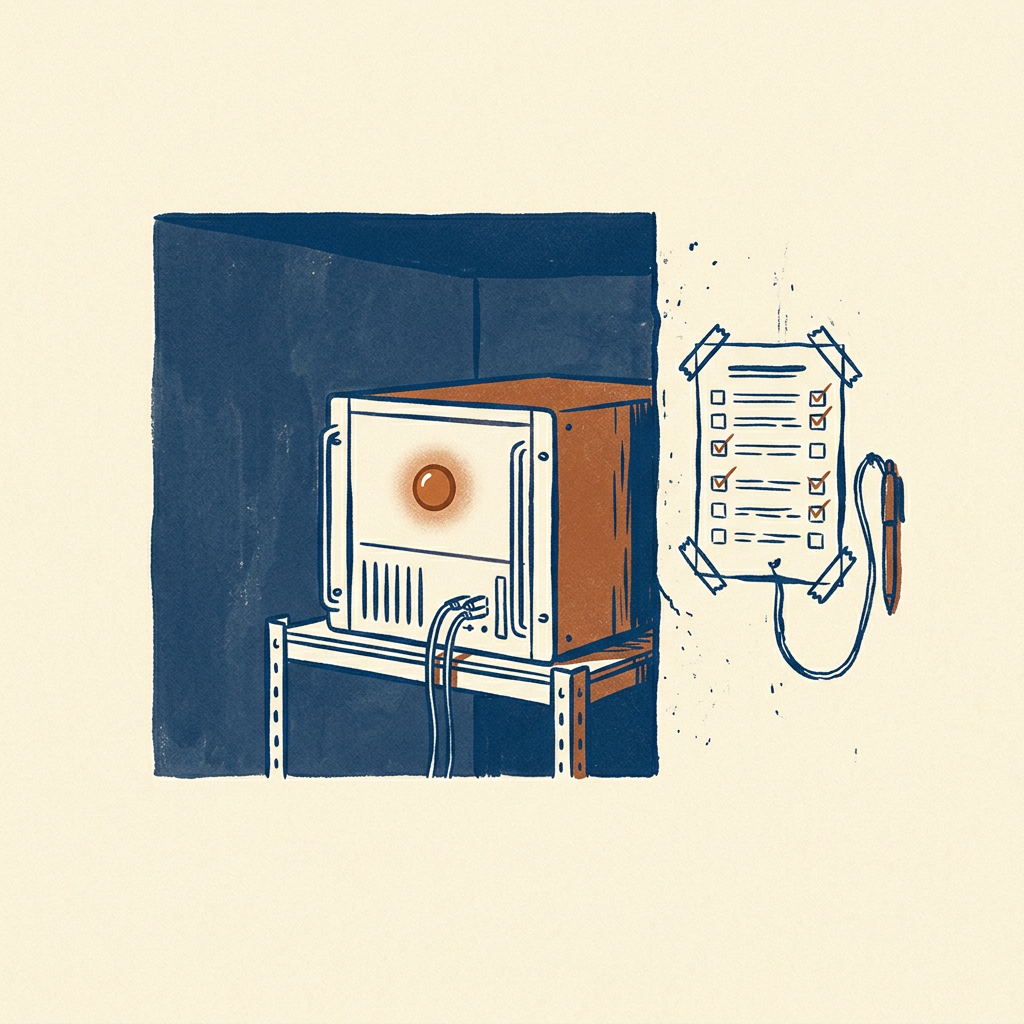
At Maersk, IT staff worked rotating shifts for ten days to rebuild the whole domain from the single surviving controller. Yasinsky’s description of watching NotPetya detonate inside his own company captures the disorientation of simultaneous failure with no obvious patient zero.
Formal playbooks helped, yet Greenberg’s deeper point is that resilience came from improvisation, from backups that existed by luck, and from exhausted people willing to work with broken tools. Some Ukrainian defenders also voiced the bitter irony that their hard-won expertise existed only because their country had been the unwilling test range.
In practice: Maersk’s worldwide Active Directory rebuild succeeded only because a power outage in Ghana had left one domain controller offline and untouched by the worm.
9
Rules that never arrived
No workable legal or normative regime treats destructive cyberattacks as acts that trigger real consequence, so infrastructure everywhere stays exposed.
In the closing stretch Greenberg steps back from the case studies. International law knows armed conflict; NotPetya caused billions in damage and hit a NATO economy through its interconnections, yet the response stayed at sanctions and statements. No one treated it as war.
He argues the gray zone is convenient for states willing to sponsor such units. They keep plausible deniability and avoid conventional escalation risks. No binding cyber equivalent of the Geneva Conventions exists. Private firms, afraid of liability or reputation damage, often under-report losses, which further stalls shared norms.
Because civilian infrastructure worldwide runs on similar control systems and enterprise software, a tool proven against a Ukrainian substation or tax package is already a prototype for any grid, port, or hospital using the same technology. Deterrence, attribution speed, and legal cost have all lagged the offense. As of the book’s writing, Sandworm’s operators had paid essentially no meaningful price.
In practice: NotPetya disrupted global shipping and vaccine production yet produced no formal military response, only later public attribution and sanctions.
Key terms
- Sandworm The nickname researchers gave the Russian military hacking unit after Dune-themed folder names in its early infrastructure.
- BlackEnergy Malware family used in the 2015 grid attack to live inside utility networks and seize SCADA controls.
- Crash Override Also called Industroyer; automated malware that speaks real power-grid protocols so it can open breakers with less human control.
- NotPetya 2017 wiper disguised as ransomware that entered through a poisoned M.E.Doc update and became the costliest cyberattack on record.
- SCADA Industrial control software that operators use to open and close breakers and run physical processes at utilities.
- EternalBlue Powerful Windows exploit developed by the NSA, later leaked, that NotPetya used to race across networks.
- Mimikatz Credential-stealing tool that let NotPetya grab administrator passwords and spread to every reachable machine.
- Unit 74455 The specific GRU military intelligence unit governments later tied to Sandworm’s grid attacks and NotPetya.
- M.E.Doc Ukrainian accounting software whose trusted update channel was poisoned to launch NotPetya.
- KillDisk Wiper component that erased data and logs during the 2015 blackout to slow recovery.
What to do
- Audit every software update mechanism your organization trusts by default, especially tools used only by branches in higher-risk regions.
- Segment industrial control networks physically and logically from ordinary corporate email and file systems.
- Keep at least one verified offline backup of critical domain and identity infrastructure and rehearse restoring from it this week.
- Treat techniques already proven against infrastructure abroad as direct previews of risk to any similar systems you run.
- Map which vendors and subsidiaries could become silent supply-chain entry points into your global network.
Questions to think with
- If a trusted vendor update became the next M.E.Doc, how many hours would the worm have inside your network before anyone noticed?
- Which of your critical processes still depend on automation that an adversary could turn against you, and what is the manual fallback?
- What would it take for your organization to treat a major cyberattack on a partner country as a live rehearsal aimed at you next?
- How should governments close the gap between technical attribution and actual deterrent cost when weapons escape their targets?
- Where does accidental redundancy still quietly protect you, and what happens if those lucky offline assets disappear?
The other side
Greenberg’s narrative leans heavily on private firms such as FireEye, ESET, and Dragos that have commercial reasons to highlight dramatic threats, and the book appeared before the October 2020 U.S. indictments that later hardened the GRU link. It offers almost no reporting from inside Russia and little engagement with cyber-deterrence scholarship, so the strategic motive stays inferred from target patterns while the policy prescriptions remain thinner than the investigative reporting.
Who it's for
Security professionals who want the full narrative behind the grid blackouts and NotPetya, plus executives and policymakers who need critical-infrastructure risk explained through concrete damage rather than abstract warnings, will gain the most from reading the entire book.