




Happiness is a skill you train, not luck you wait for
The Art of Happiness argues that lasting contentment comes from deliberate mental training rather than better circumstances.
IJR · Oct 27, 2026 · 14 min read
In 60 seconds
- Happiness is a trainable capacity; chronic unhappiness is partly unpracticed mental habit, not only bad luck.
- Sensory pleasure fades through habituation; deeper contentment built from discipline and meaning can sit beside hardship.
- Suffering is shaped by interpretation, so analytical meditation that tests and replaces distorted thoughts can lessen how much events hurt.
- Compassion is framed as self-interest: outward attention shrinks the anxiety that constant self-monitoring feeds.
- Sustained anger and guarded isolation reliably worsen outcomes; patience and lowered defenses are practical strategies, not soft virtues.
- Durable change takes years of incremental practice, like physical conditioning, and judging it by quick relief guarantees quitting.
The big idea
Cutler and the Dalai Lama treat happiness as a capacity built by repeated mental habits, not a fixed trait or a gift of better circumstances. Once that premise holds, compassion, patience, and reframing stop being moral slogans and become concrete training methods that slowly shift a person's emotional baseline.
The book in brief
Cutler walks into the conversations skeptical. A Western psychiatrist expects asceticism from a man raised on monastic teachings about suffering, impermanence, and detachment. What he hears instead is blunt: the purpose of life is the pursuit of happiness, and that pursuit is systematic, not accidental.
Lottery winners, Cutler notes, return to their prior happiness baseline within about a year. Twin research he cites finds a meaningful share of happiness correlating with genetics rather than life events. Both findings push the lever inward. If circumstance were enough, the rest of the book would be luck advice; treating the mind as trainable turns every later chapter into technique.
The book then draws a hard line between fleeting sensory pleasure and deeper contentment. A good meal, a compliment, or a purchase lifts, then fades on its own timeline. Meaning, patience, and connection can coexist with physical discomfort because they rest on how a person relates to experience, not on the next stimulus. Habituation is the mechanism: sensation needs novelty or escalation, while inner discipline does not run on the same treadmill.
The middle stretch supplies the working tools. Raw events stay relatively neutral until interpretation loads them with charge. Analytical meditation examines a disturbing thought, tests its accuracy, and replaces it through deliberate repetition. Compassion is trained as an outward habit of attention that reduces self-focused worry. Intimacy asks the same lowering of defenses that compassion practices. Suffering is faced and examined for information rather than denied. Anger is treated as a brief alarm that turns corrosive when it hardens into hatred, with patience defined as the refusal to let the spike become a fixed hostile stance.
The close refuses the quick-fix fantasy. These capacities take years of repetition, the way physical strength does. Readers who abandon the work because week two feels ordinary are, on the book's own terms, quitting a real process they mistook for failure. The arc ends where it began: happiness as long practice, judged on a conditioning timeline rather than by immediate relief.
Context
The book grew from years of conversations between the Dalai Lama and American psychiatrist Howard Cutler. It offered a rare bridge between Buddhist contemplative practice and Western clinical psychology just as both fields were beginning to take each other seriously, and it became a long-running bestseller that shaped popular ideas about mindfulness and well-being.
The key ideas

1
Happiness is a skill
Chronic unhappiness is partly a failure of mental practice rather than simple bad luck, because the mind can be trained like a muscle through repetition.
External change
Money, status, or comfort that fades back toward the old baseline
Internal training
Repeated mental habits that gradually shift the emotional baseline
Cutler expected resignation from a system built around suffering and detachment. The Dalai Lama instead held that life's purpose is the pursuit of happiness, and that the pursuit is systematic.
The foundational claim is that most people never attempt this training because they assume happiness depends on circumstances outside their control. The Dalai Lama draws on decades of Tibetan practice, especially analytical meditation, as evidence that deliberate mental habits change emotional baselines over time.
Cutler adds clinical weight with research on identical twins separated at birth, which found that a meaningful share of a person's happiness level correlates with genetics rather than life events. External windfalls point the same direction: they do little lasting work, so the workable lever is internal.
That premise sets the terms for everything that follows. Treat happiness as trainable and every later chapter becomes a specific technique rather than a platitude. The reader is asked to study their own mental habits the way they might study a language or an instrument.
In practice: Cutler cites studies showing lottery winners return to their prior happiness baseline within about a year, so the jackpot does not rewrite the set point.
2
Pleasure is not contentment
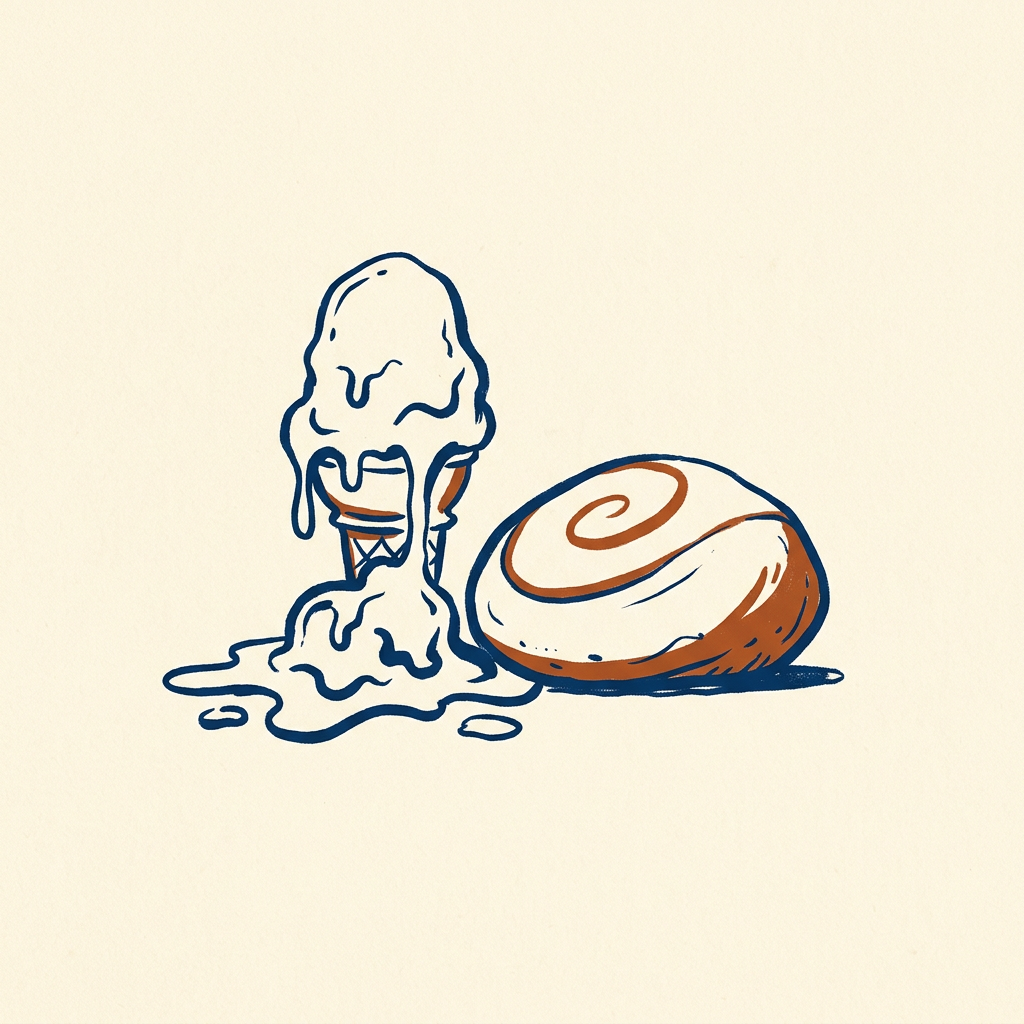
Sensory pleasure habituates and needs escalation, while deeper contentment rooted in how one relates to experience can coexist with hardship and does not fade the same way.
Sensory pleasure
Meal, praise, or purchase that lifts then dissipates and needs novelty to repeat
Deeper contentment
Satisfaction from meaning and discipline that can coexist with hardship
The Dalai Lama separates pleasure derived from the senses from a deeper satisfaction that does not depend on what is happening to the body in a given moment. A good meal, a compliment, or a new purchase produces a lift that dissipates on its own timeline.
Deeper contentment can sit beside physical discomfort because it is rooted in interpretation and relationship to experience rather than in the stimulus itself. Cutler illustrates the gap with patients who hold every material advantage and still report persistent emptiness.
The mechanism the book proposes is habituation. Sensory pleasures require novelty or escalation to keep producing the same effect, which is why a treadmill of consumption often leaves people needing more for the same lift. Inner contentment is not stimulus-dependent in the same way, so it does not decay on that schedule.
This distinction redirects effort. Chasing acquisition, status, or sensation optimizes for something that fades. Building patience, generosity, and perspective invests in something the authors say can compound.
In practice: Cutler sets those empty, advantaged patients beside case histories of people with severe physical limitations who report high life satisfaction because they built meaning and connection into their days.

3
Interpretation creates suffering
Raw events stay relatively neutral until the mind assigns meaning, so changing the frame changes how much a situation hurts without denying that it happened.
The Dalai Lama offers a working model in which events gain emotional charge from the story the mind attaches to them. He does not claim external events are irrelevant, only that their impact is mediated.
A traffic delay or an insult can trigger fury in one person and mild irritation in another because of differing internal narratives about fairness, respect, or control, not because of differing objective severity. Cutler links this to cognitive therapy associated with Aaron Beck, which treats distorted thought patterns as a direct cause of depression and anxiety and treats correcting those patterns as treatment.
The convergence matters: a monastic tradition built on meditation and a clinical tradition built on measurement arrive at a similar operating assumption—that thought precedes and shapes feeling. The practical technique is analytical meditation, done deliberately and repeatedly rather than as a one-time insight.
This chapter supplies the mechanism behind the later work on anger, anxiety, and grief. Change the allowed story and you change what the harm is permitted to do to the mind afterward.
In practice: The Dalai Lama reframes an enemy as a teacher of patience—a skill otherwise hard to practice—without denying that the antagonist caused harm.

4
Compassion reduces self-anxiety
Cultivating an active wish for others to be free of suffering is offered as the most reliable route to shrinking one's own anxiety and isolation, not only as moral duty.
The Dalai Lama treats self-centeredness—the constant monitoring of status, comfort, and reputation—as itself a major source of chronic low-grade suffering. It keeps attention fixed on a narrow and fragile set of concerns.
Compassion, defined here as an active wish for others to be free of suffering rather than passive pity, works as an antidote because it redirects attention outward and reduces the mental real estate occupied by self-referential worry. He frames warm-heartedness as pragmatic: it is recommended because it works, not only because it is virtuous.
Cutler supports the claim with clinical observations that patients who volunteer or maintain close, mutually supportive relationships report lower rates of depression than socially isolated patients with comparable circumstances. He also references public-health findings linking isolation to worse outcomes across multiple conditions.
The proposed practice is deliberate training, not sentiment: visualize a person's suffering in concrete detail until a response arises, then extend that response to loved ones, strangers, and finally people one finds difficult. Without the earlier premise that mental habits shape emotion, this chapter would read as exhortation rather than mechanism.
In practice: The training sequence moves the same generated response from a single visualized person outward to loved ones, then strangers, then someone difficult, repeated the way one repeats physical exercise.

5
Defenses block closeness
Genuine intimacy requires lowering psychological defenses, and most relational unhappiness comes from self-protection rather than simple incompatibility.
Need and infatuation
Bond valued for what each person provides; fragile when peak feeling fades
Respect and compassion
Bond that can hold even when original needs and intensity shift
The Dalai Lama observes that many people in wealthy, individualistic societies keep surface-level ties while guarding deeper vulnerability, out of fear of rejection or loss of control. That protective stance produces loneliness even inside a marriage or a large circle, because closeness requires willingness to be seen without an edited self-presentation.
Cutler adds the clinical paradox: clients want deep connection yet resist the openness that would create it, because openness feels risky. The remedy links back to compassion training, since compassion lowers the boundary between self-interest and others' interest—the same boundary intimacy must lower.
Romantic bonds built mainly on projection and infatuation are treated as especially fragile. Infatuation is a form of the sensory pleasure described earlier, subject to the same fade. Bonds built on compassion and respect are argued to last longer because they do not depend on maintaining a peak emotional state.
This chapter extends the argument from private mental habit into the interpersonal domain. The same discipline that reduces solitary suffering also sets the quality of one's closest ties.
In practice: The book contrasts a relationship built on mutual need—each person valued mainly for what they provide—with one built on mutual respect and compassion, where the bond can survive even when the original needs change.

6
Face suffering directly
Suffering that is faced and given meaning does less lasting damage than suffering that is denied, suppressed, or treated as pure senseless misfortune.
Deny or suppress
Avoidance that leaves the pain unprocessed and prone to backfire
Face and interpret
Allow the feeling, then examine what can be learned or what capacity it builds
The Dalai Lama rejects the goal of eliminating suffering entirely. Illness, aging, and loss are treated as structural features of life rather than problems to solve away. The aim is to change one's relationship to suffering so it produces less compounding damage.
The Dalai Lama's exile from Tibet functions as the section's quiet case study. He discusses decades of loss without presenting himself as free of grief, only as someone who has worked to keep that grief from curdling into permanent bitterness.
Some hardship, examined honestly, holds information or opportunity: a failure that reveals a pattern worth changing, or a loss that clarifies what actually matters. This is distinct from optimism or denial, which the book treats as avoidance that backfires because the underlying pain stays unprocessed.
Cutler brings in trauma recovery from his practice, noting that patients who eventually construct some coherent meaning from a hardship tend to show better long-term adjustment than those who treat the event as senseless, a pattern he describes as broadly consistent with posttraumatic growth research. The instruction is to allow the initial emotional response fully, then apply the earlier interpretive tools.
In practice: A personal failure, faced rather than buried, can reveal a pattern worth changing; the book treats that reading as information, not as a demand for forced cheer.
7
Patience over sustained anger
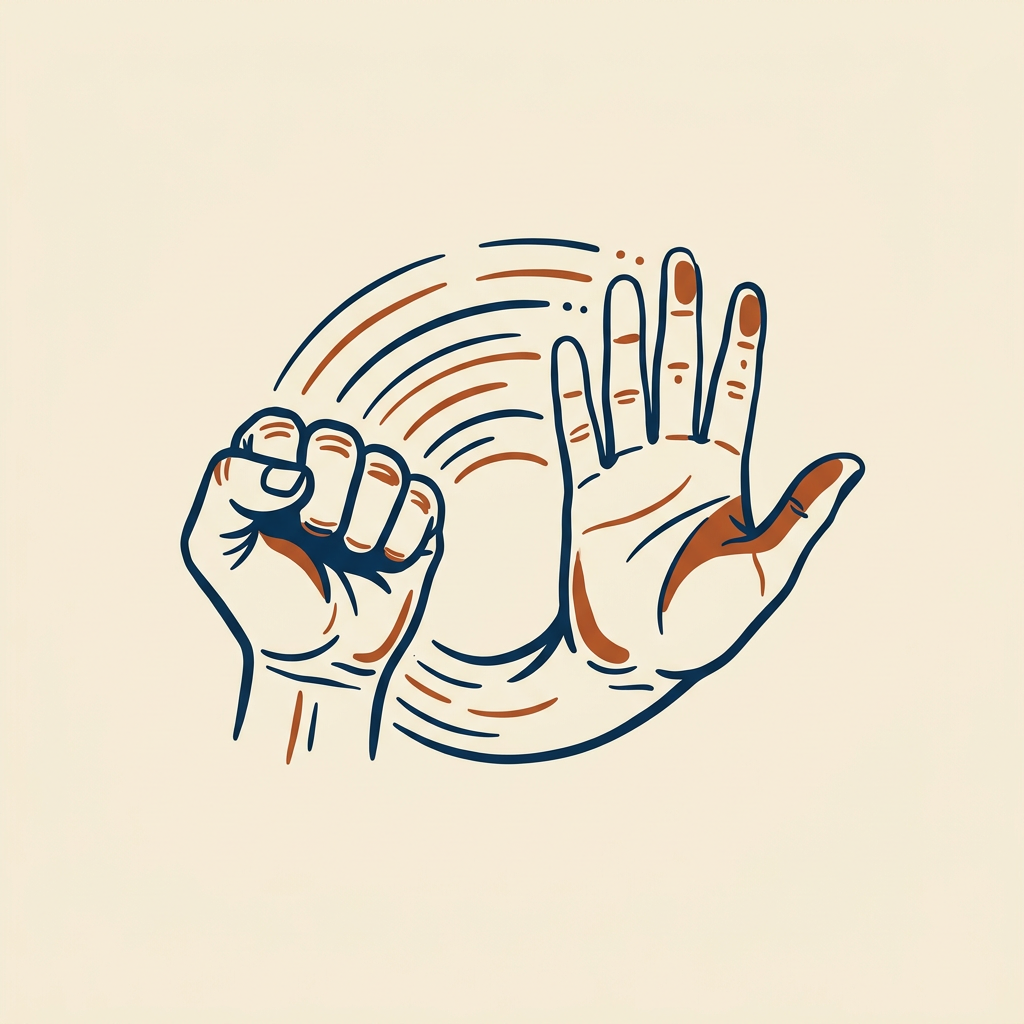
Anger feels protective in the moment but sustained hostility reliably produces worse outcomes than the patience it displaces, which makes patience a practical strategy rather than passive virtue.
Sustained hostility
Clouded judgment, postponed reaction, and added health risk from chronic anger
Active patience
Feel the alarm, refuse the fixed stance, and keep enough clarity to respond
The Dalai Lama separates anger as a brief alarm signal, sometimes useful for spotting a real problem, from anger as a sustained state of hostility, which he treats as corrosive and rarely effective at getting what the angry person actually wants.
Hatred in particular clouds judgment. A mind absorbed in hostility toward a target loses the clarity needed to respond to that target effectively. Patience is the direct antidote: not suppression of the spike, but a deliberate refusal to let it escalate into a fixed hostile stance.
Cutler connects the argument to research on hostility and cardiovascular health, noting studies that associate chronic anger and cynicism with elevated risk of heart disease. That link gives the counsel a medical stake beyond emotional comfort.
The suggested practice returns to interpretation. Examine whether the target acted from malice or from their own confusion and distress, since most provocations come from ignorance or suffering rather than deliberate cruelty. Viewing a provocateur as unwell rather than as an enemy reduces charge without requiring denial that harm occurred. Swallowing anger without addressing its cause simply postpones the same reaction.
In practice: When provoked, the practice is to test the malice story against a confusion story—most harm, on this view, arrives from people driven by their own distress—then refuse the escalation into lasting hostility.

8
Training takes years
Because these are trained capacities rather than single insights, durable change should be expected over years of repeated practice, and demanding fast results is itself a common reason people quit.
The Dalai Lama closes by warning against a common Western expectation: that a book, a retreat, or one realization will produce lasting transformation. He compares the mental training in the book to physical conditioning. Strength does not arrive from one session; emotional resilience should not be expected to work differently.
Cutler adds a clinical caution. Many patients abandon therapeutic or contemplative practices when they do not see immediate results, mistaking a slow but real process for a failed one.
The recommended approach is systematic and incremental. Identify one destructive habit of mind—reflexive anger or self-centered rumination—and apply a specific counter-practice consistently over months, tracking small shifts rather than waiting for a breakthrough.
Patience with the process is itself an inward application of the patience aimed earlier at provocateurs. This closing move reframes the whole book as long-term practice rather than a tip list, which changes how a reader should judge whether the work is working.
In practice: Cutler flags patients who drop a practice in the early weeks because nothing dramatic happened, reading ordinary slow gain as proof the method failed.
Key terms
- Analytical meditation A repeated practice of examining a disturbing thought, testing its accuracy, and replacing it with a more useful frame.
- Sensory pleasure A lift from the senses or from acquisition that fades on its own and often needs novelty to return.
- Deeper contentment Satisfaction rooted in how you relate to experience; it can coexist with hardship and is not stimulus-dependent.
- Compassion An active wish for others to be free of suffering, trained deliberately rather than waited on as a mood.
- Habituation The tendency of sensory pleasures to lose force unless novelty or escalation is added.
- Patience A deliberate refusal to let an anger spike harden into lasting hostility; not the same as swallowing the feeling.
- Happiness baseline The emotional set point the authors say external windfalls tend to leave roughly intact without internal training.
- Warm-heartedness The pragmatic outward stance the Dalai Lama recommends because it reduces self-focused suffering, not only because it sounds virtuous.
What to do
- Pick one recurring negative reaction and name the automatic interpretation behind it.
- Each time it arises this week, pause and generate one alternative interpretation before you react, even if you do not believe it yet.
- Choose one small compassion practice, such as five morning minutes considering the pressures on a difficult person in your life.
- Repeat that compassion practice daily for at least a month rather than once.
- Track outcomes in a short daily note instead of judging by how you feel on day one or day ten.
Questions to think with
- Which of your recurring moods do you still treat as fixed luck rather than as a habit you could train?
- Where are you optimizing for sensory pleasure that keeps needing escalation?
- What story do you automatically attach to your most reliable provocation, and what alternate story could you rehearse?
- Which relationship stays lonely because self-protection is doing more work than incompatibility?
- If you judged this practice on a year-long conditioning timeline, what would count as real progress?
The other side
The book's central weakness is evidentiary: claims rest on the Dalai Lama's testimony, Cutler's clinical anecdotes, and selective research, not controlled studies of the specific techniques described. Twin studies and lottery-winner findings are real, but the authors stretch them to support a larger claim—that deliberate meditation reliably raises long-term well-being—which those studies do not test. Later neuroscience of compassion training, including work associated with Richard Davidson, came after the book and produced more modest, contested results than the text's confident tone implies. The book also blends testable psychological claims about attention and habituation with Buddhist metaphysical commitments about karma and rebirth without flagging the difference. It is thin on structural context: the Dalai Lama's equanimity is discussed from inside a community with international support and contemplative infrastructure, so transfer to poverty, discrimination, or unstable housing goes largely unaddressed. It is not a substitute for medical treatment of clinical depression or trauma, and as a curated transcript shaped by Cutler's selection and paraphrase it should be read as collaborative synthesis rather than direct transmission of Buddhist teaching.
Who it's for
Readers stuck in anxiety or low mood who want tools beyond medication or willpower, people curious about Buddhist ideas but wary of religious language, and therapists or coaches who need a plain-language bridge between contemplative practice and clinical work will get the most from the full book.