




Creative block is buried safety, not missing talent
Cameron argues creative block is almost always fear and old shame, repaired by daily unedited writing and weekly solo play.
IJR · Oct 27, 2026 · 14 min read
In 60 seconds
- Blocked artists are not failed artists; they were taught to distrust themselves after ordinary childhood verdicts.
- Three handwritten morning pages drain anxious self-censoring chatter no amount of thinking clears.
- A weekly solitary Artist Date restocks the sensory well that pure expression empties.
- Nameable family shame, crazymakers, and money fear dressed as practicality keep the block in place.
- Anger, jealousy, and creative fear are directional fuel pointing at what needs making.
- Recovery finishes only when work is completed and released, not endlessly polished in private.
The big idea
Cameron treats creativity as an ordinary spiritual capacity most people buried under fear, shame, and inherited verdicts about who gets to make art. A twelve-week practice of morning pages and weekly solo excursions rebuilds safety first, then turns hard feelings and money beliefs into fuel so finished work can finally leave the room.
The book in brief
Cameron starts from a blunt reframing: people who stopped drawing, writing, or playing are not talentless; they absorbed a specific discouraging remark and mistook it for self-knowledge. The problem is distrust of one's own perception, so the cure is a practice that restores safety before technique or market results matter. Art-making sits closer to spiritual discipline than career skill, and the resistance to starting resembles an addict's resistance to sobriety.
The program's twin tools come next. Every morning, before phone or conversation, write three unedited handwritten pages that no one will read; the pages exist only to drain the low hum of complaint and self-criticism so clearer work can happen. Once a week, take a solitary, unproductive outing—hardware store, garden, diner eavesdropping—to refill the reservoir of impressions she calls the well. Expression without input runs dry; input without solitude turns into social performance.
Mid-program work turns diagnostic. Readers name the exact childhood scene or verdict that first shut them down, speak it aloud so shame loses concealment, and caricature the inner censor until it loses authority. They audit present relationships for crazymakers—people addicted to chaos, lateness, and manufactured crisis who consume the bandwidth a practice needs—and treat jealousy as a map of forbidden wants rather than a feeling to suppress.
Later weeks reclaim difficult emotion and money stories as information. Sustained anger points at what must change; most creative fear signals unfamiliar territory, not real danger; energy spent on avoidance can be redirected into the work itself. Financial fear often functions as a socially acceptable shield against being seen and possibly failing, separable from genuine constraint by honest spending tracking. Committed practice, she reports, is followed by useful coincidence she frames as support from a cooperative creative force, or at least by noticing openings that stayed invisible while the work stayed private.
The arc closes on drafting versus editing, usable criticism versus vague dismissal, and the non-negotiable step of finishing and releasing. Private pages alone have not completed recovery. Safety, wounds, boundaries, redirected feeling, questioned scarcity, and visible commitment all lead to putting something into the world and surviving the exposure.
Context
Julia Cameron published the book in 1992 after her own sobriety and workshop teaching. It became a movement credited with unlocking work for millions of readers and popularizing morning journaling as a creative-recovery tool, drawing openly on twelve-step structures of admitting specific harm and daily practice.
The key ideas
1
Everyone already creates
Creativity is a basic human faculty most people were talked out of by a specific childhood discouragement, not a rare talent they lack.
The talent story
Only a gifted few create; if you stopped, you lacked the gift
Cameron's claim
Almost everyone creates until a specific discouragement teaches distrust
Cameron opens by refusing the talent story. Blocked artists are artists who learned to distrust themselves. A child draws, receives praise, then absorbs one offhand adult criticism and quietly stops; decades later the adult says they were never any good.
She calls that a false belief masquerading as self-knowledge, almost always inherited from a remark or a person rather than earned by honest testing. If the real problem were missing talent, classes and therapy would be the fix. If the real problem is fear and old verdicts, the fix is a practice that rebuilds trust in perception before skill is even on the table.
She treats art-making as closer to spiritual discipline than marketable craft. Resistance to starting a painting or novel feels like an addict's resistance to getting sober. She does not promise publishable novels or gallery shows. She promises recovered access to expression, valuable whether or not an audience or income ever appears. Permission has to come before instruction, because most people will not attempt the exercises until they believe the exercises are for them.
In practice: A child stops drawing after one casual adult critique and later, as an adult, claims they simply have no artistic ability.
2
Morning pages as drain
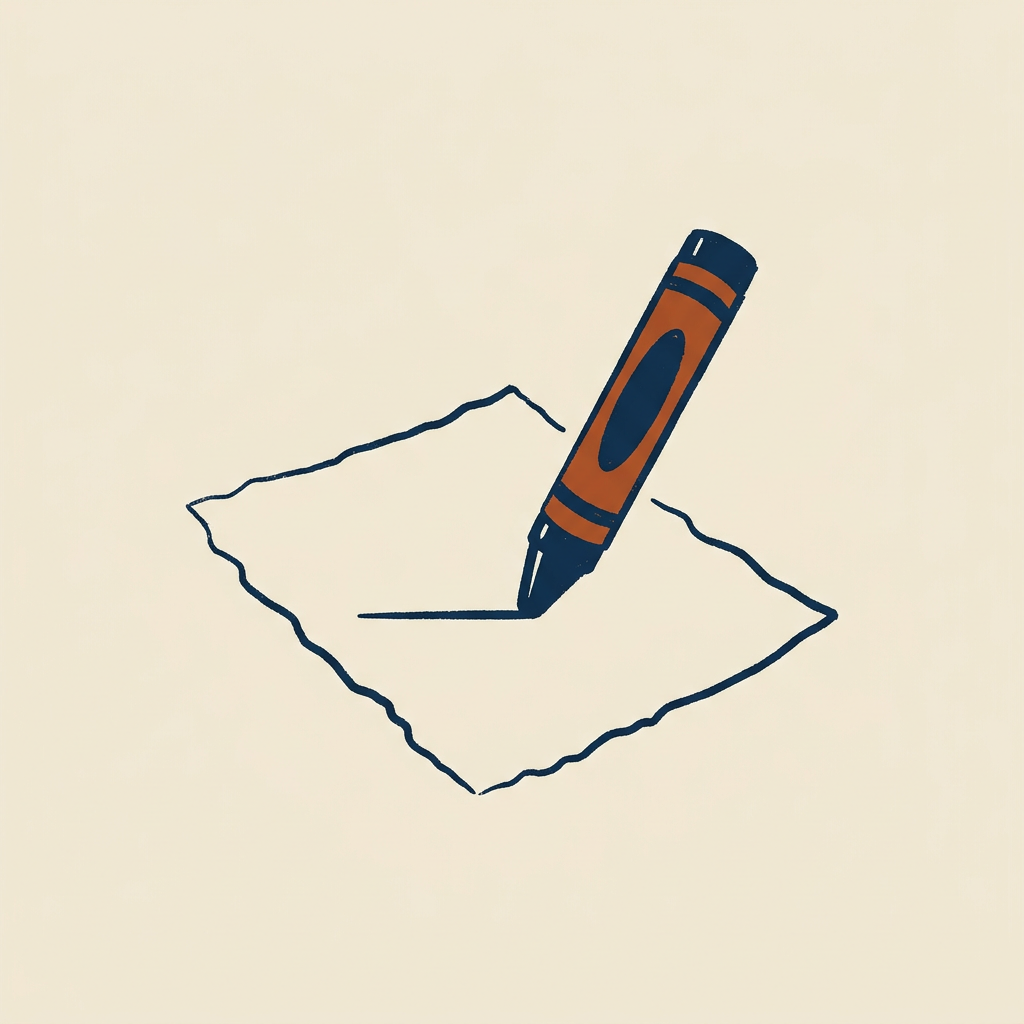
Three pages of unedited, handwritten, first-thing writing surface and empty the anxious self-censoring chatter that blocks work.
The central tool is mechanical. Before anything else each morning, write three pages by hand about anything, without stopping to judge or reread. Content does not matter. The pages are never for showing, not even to yourself months later. What matters is the unedited act.
Most people carry a constant low hum of complaint, worry, and self-criticism that competes with focused making. Morning pages run that noise out daily so it cannot build into a wall. Ordinary journaling, she holds, drifts toward performance for an imagined reader or repetitive brooding, both of which strengthen the patterns these pages are meant to dissolve.
Handwriting is deliberate: the slower physical process keeps the inner critic from editing in real time the way instant on-screen text invites. Doing it first thing, before obligations and other voices set the agenda, catches the mind least defended. The claim is testable by anyone willing to try it for a few weeks, which is why the exercise spread farther than her spiritual framework.
In practice: A reader dumps three messy pages of worry each dawn and finds the afternoon's actual writing freer because the chatter already had somewhere to go.
3
The weekly artist date
A solitary, unstructured weekly outing that feeds the senses is the necessary counterweight to morning pages because expression without input runs dry.
If morning pages empty the mind, the artist date fills it. Once a week, schedule a solo excursion with no productive purpose: browse a hardware store's tools, walk a botanical garden, sit in a diner and eavesdrop, linger in a record shop.
Solitude is required. In company, attention splits between the experience and the social performance of having it, and the nourishing effect is lost. The date must feel like play, not homework—framed as a date rather than a task, done for its own pleasure rather than later output.
Creative work draws on a reservoir of impressions, images, and curiosity. That reservoir depletes unless deliberately restocked; she calls the restocking filling the well. Skipping the date is common because it produces nothing measurable and feels indefensible against work and family. Cameron reads that resistance as diagnostic: the discomfort of claiming unproductive time is the old scarcity training that blocks making in the first place.
In practice: Someone who never 'has time' still blocks one hour alone at a thrift shop or greenhouse and returns with images that later feed a stalled project.
4
Name the exact wound
Most adult creative block traces to a specific nameable childhood scene or verdict that willpower cannot dissolve until it is identified and spoken.
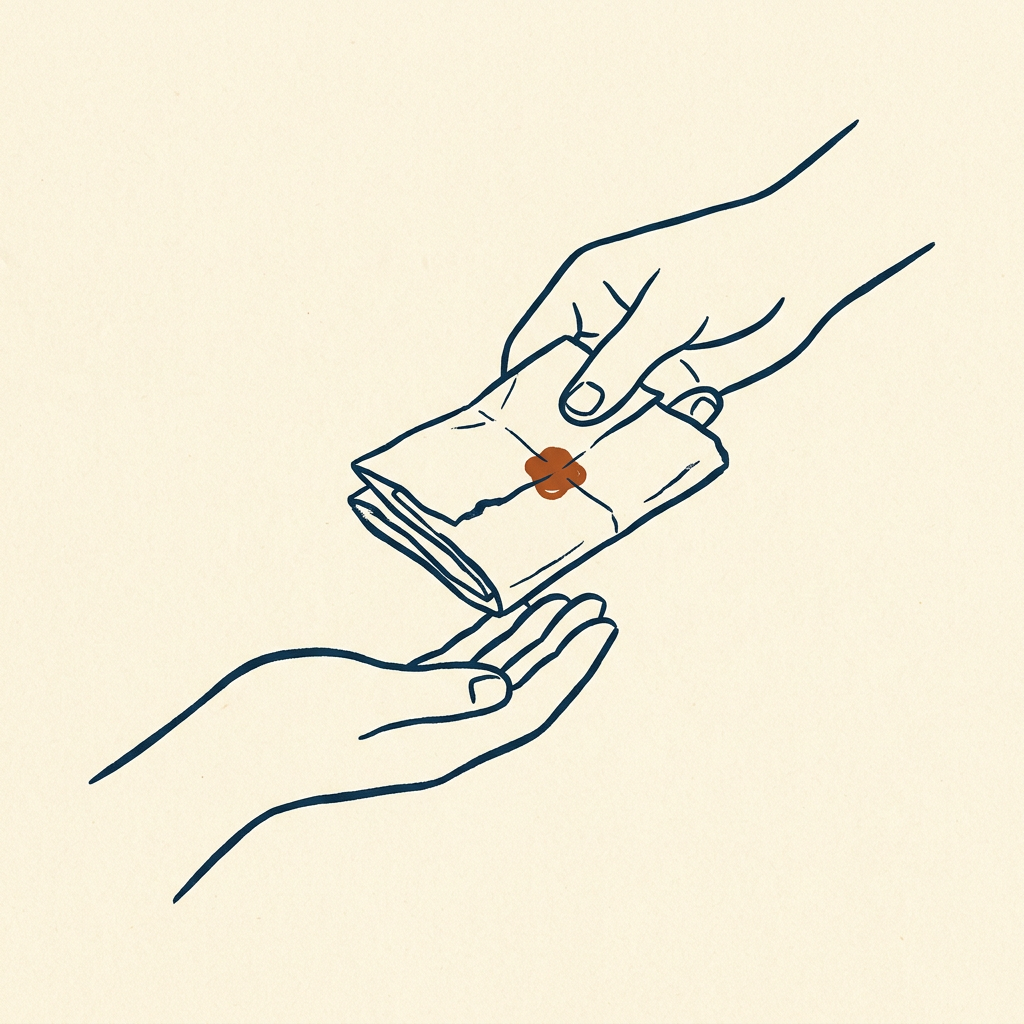
Cameron moves from practice into diagnosis. Readers recall the exact moment they first felt discouraged from making something. The moments are rarely dramatic: a parent's sigh, a teacher's grade, a sibling's mockery, delivered once and then repeated internally for decades.
A child cannot yet separate a passing adult mood from an objective verdict on worth, so the remark calcifies into identity: I am not creative. Writing the memory down and, where possible, saying it aloud to another person matters because shame requires concealment to survive and loses power once spoken. The structure borrows from twelve-step recovery: admit a specific harm rather than a vague self-accusation.
She also names the internalized censor—the running voice that pre-judges work before it exists. That voice is not neutral quality control; it is a scared child's defense dressed up as taste. Giving the censor a name and a caricatured voice lets ridicule strip authority faster than argument. Safety has to exist before later weeks can honestly face anger, jealousy, and fear.
In practice: A reader writes down a teacher's single dismissive grade, tells a trusted friend the story out loud, and feels the old automatic shutdown loosen.
5
Crazymakers and envy maps
Recovery is sabotaged less by internal doubt alone than by people addicted to chaos who need the artist unfocused, while jealousy points at forbidden wants.
- TThe late oneChronic lateness that eats scheduled making time
- TThe unfinished criticNo finished work of their own, strong opinions on yours
- TThe crisis makerManufactures emergency whenever calm arrives
Cameron names crazymakers: people, sometimes well-meaning, who generate constant emergencies, broken promises, and last-minute demands that eat the time a practice requires. Traits include chronic lateness, unfinished own projects paired with strong opinions about yours, and crisis manufacture whenever calm arrives.
Sensitive, responsible creatives often organize life around managing a crazymaker and mistake the resulting exhaustion for personal lack of discipline. The block is also the phone at nine at night. She advises naming the pattern and setting boundaries, including less contact, instead of piling on more self-discipline.
Jealousy gets reframed as diagnostic data. Envy of another person's creative life maps exactly what the envious person wants but has not allowed. Listing what is specifically envied about each person beats dismissing the feeling. After childhood wounds, this chapter extends the audit into present relationships and feelings.
In practice: A writer who 'cannot find time' notices the same friend who cancels plans also calls with emergencies on every free evening, and begins protecting those hours.
6
Anger and fear as fuel
Anger and fear are not obstacles to manage away but energy and information that point directly at what needs to be made.
Feelings as stop signs
Calm down, suppress anger, treat fear as proof you should quit
Feelings as instructions
Track anger's target; treat most creative fear as unfamiliar territory
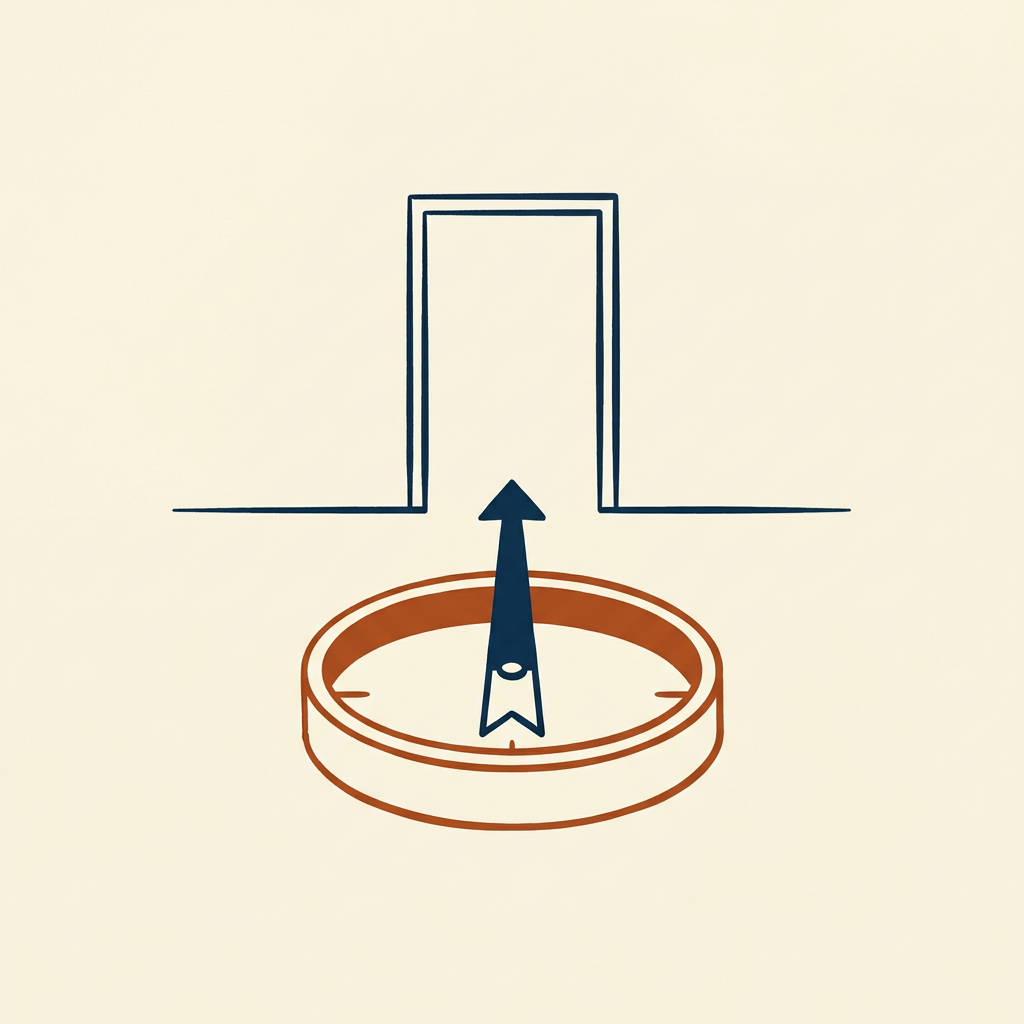
Cameron reverses the advice to calm down before creating. Anger is a compass: sustained anger at a situation usually means something must change, and its specific target often names the creative or life move required. Suppressed anger does not vanish; it converts into depression or a low hum of resentment that blocks work indirectly.
Fear splits in two. Fear that signals real danger differs from fear that only signals unfamiliar territory. Most creative fear is the second kind and should read as a sign of being on track, not a stop sign. People who avoid creative work are not lacking energy; they are spending large amounts of energy on avoidance. Redirecting that same energy into the work is more realistic than trying to manufacture new fuel from scratch.
The practical move is to track what angers you for days and treat the pattern as data, then list old resentments from abandoned attempts as unfinished business rather than settled history. After shame and crazymakers, hard feelings become instructions.
In practice: Someone lists simmering anger at a stalled side project and sees the anger naming the exact small next step they have been circling.
7
Money fear as shield
Financial fear is often a socially acceptable disguise for the deeper fear of being seen and failing, and it must be examined rather than accepted whole.
Cameron takes on I would pursue this if I could afford to. She does not deny that money constrains real choices. She asks readers to separate genuine limits from money fear used as a shield against exposure and possible failure.
The method is concrete: track actual spending and compare it to stated priorities. Where money goes reveals values more accurately than intentions. People who say they cannot afford supplies, a class, or a few unpaid hours often spend comparable amounts on things they never question, which suggests the resistance is not purely financial.
The opposite pattern also appears: the belief that art must stay unpaid and amateur to remain pure. She reads that as inherited fear, often from family messages that equated ambition with selfishness or creative success with moral corruption. Abundance and scarcity are learned postures; a scarcity posture finds evidence for itself regardless of actual resources. The exercises, she holds, still apply inside whatever constraints exist.
In practice: A person who 'cannot afford' a cheap sketchbook notices equivalent spending on convenience purchases they never debate, then buys the sketchbook.
8
Commitment and coincidence
Daily creative commitment is followed by a rise in useful coincidence and outside support, which she reads as a cooperative force and as changed attention.
- Private longingWant the work but stay quiet and unequipped
- Visible commitBuy materials, apply, tell people the project exists
- Openings appearRelevant people, tools, and chances get noticed and used
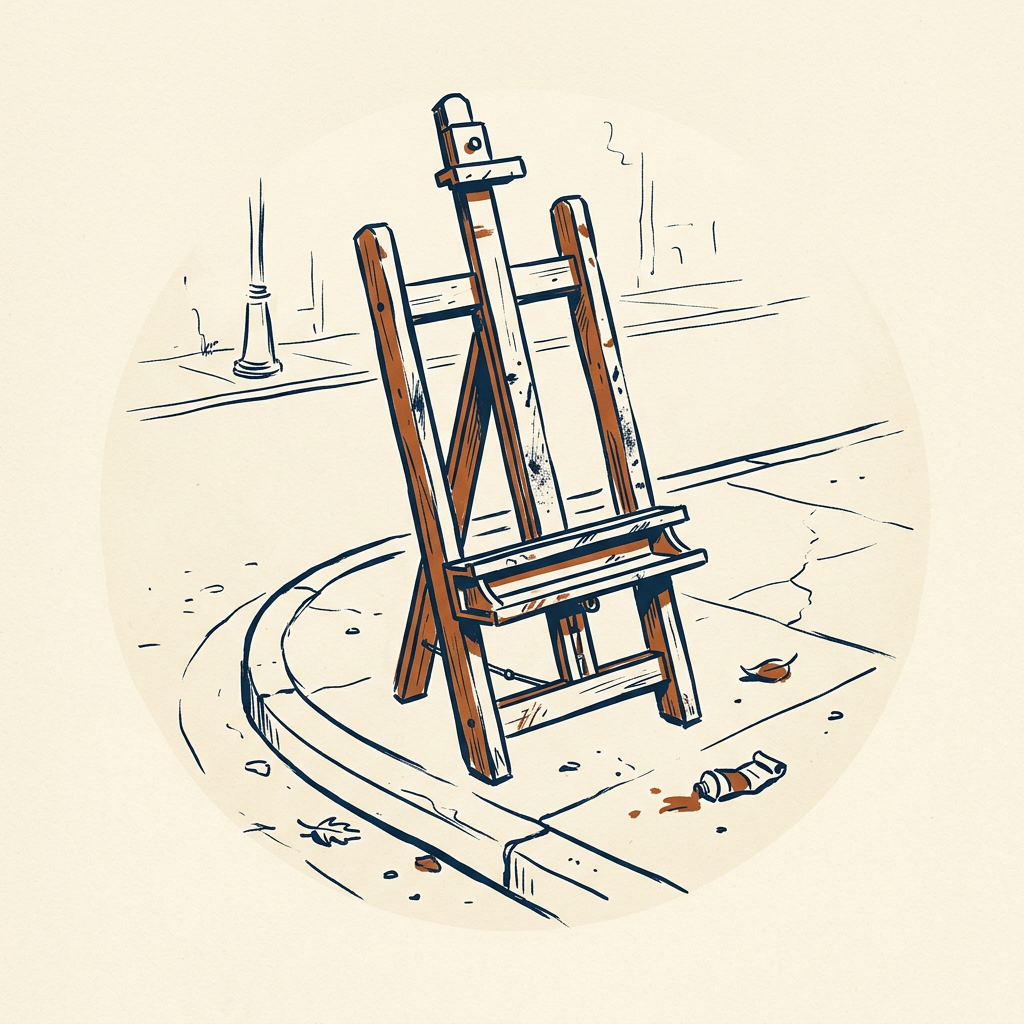
In later weeks Cameron introduces synchronicity: needed people, materials, or chances appearing shortly after serious commitment. Workshop patterns she reports include committing to a novel and soon meeting an editor, or committing to painting and finding a used easel on a curb.
She frames this as the Great Creator supporting individual creation, language kept loose enough for religious, agnostic, and atheist readers. A more modest version is that committed attention changes what a person notices; openings that were always present become visible once someone is looking.
She does not fully separate the two explanations. What she argues behaviorally is clearer: readers who expect support and act on it—apply, buy materials, tell people—generate more real opportunities than readers who keep the work secret out of fear of jinx or judgment. The chapter pushes visible commitment after the money and fear work.
In practice: A reader finally buys paints and tells two friends the project is real, then notices a free class and a discarded easel within weeks.
9
Separate, finish, release
Separating raw generation from sharp editing, discarding vague criticism, and releasing finished work matters more than any single piece being good.
Near the end Cameron turns to the moment work meets an audience. Most people fuse drafting and editing, which paralyzes them. The mind that generates raw material needs freedom; the mind that improves it needs sharp judgment. Running both at once produces neither.
Generate first with the censor silenced, in the same unedited spirit as morning pages, then switch modes deliberately to revise. On outside criticism, keep specific actionable feedback and discard vague dismissal regardless of source—specificity makes criticism usable; its absence usually signals the critic's discomfort more than a real flaw.
Perfectionism is frequently fear of judgment wearing high-standards clothing. Finishing and releasing, rather than endless private polishing, closes the loop the book opened: after safety, wounds, boundaries, redirected feeling, questioned scarcity, and visible commitment, something must actually enter the world. A practice that only ever produces private pages has not completed the recovery, however comfortable it felt.
In practice: A writer stops rewriting the same chapter for months, sends a finished draft to one reader, and survives the exposure that perfectionism had been postponing.
Key terms
- Morning Pages Three unedited handwritten pages done first thing each day to drain self-censoring noise
- Artist Date A weekly solitary, playful outing with no productive goal, taken to refill the senses
- Filling the well Deliberately restocking images, impressions, and curiosity so making does not run dry
- The censor The internalized voice that pre-judges work before it exists, treated as a scared defense not as taste
- Crazymaker A person whose chaos, lateness, and crises consume the time and focus a creative practice needs
- Great Creator Cameron's loose name for a cooperative creative force supporting committed work
- Synchronicity Useful people, tools, or chances appearing after serious commitment to the work
- Creative recovery Restoring access to expression by rebuilding safety, not by proving talent
What to do
- Write three longhand pages each morning before phone or conversation, and do not reread them for at least a week.
- Put one solo unstructured outing on this week's calendar as a fixed appointment and go alone.
- Write the exact childhood remark or scene your creative self-doubt traces to, then tell that specific memory to one trusted person out loud.
- List what you envy in two or three working artists and treat each item as a want you have not allowed.
- Track a few days of spending beside your stated creative priorities and note where the numbers disagree.
- Finish one small piece and show it to someone; do not use more polishing as a reason to wait.
Questions to think with
- What exact old remark still sounds like objective truth about your ability?
- Which current relationship regularly creates emergencies that erase your making time?
- Where does money fear end and fear of being seen begin in your own excuses?
- What would you make this month if anger and jealousy were instructions rather than flaws?
- Are you still drafting and editing at the same time, and what would sequential work look like?
The other side
The book rests on anecdote and self-selected testimonials, not controlled studies, so it cannot separate the tools' effects from the motivation of people who stick with a daily practice; the spiritual synchronicity frame is unfalsifiable for secular readers; the money chapter can flatten real structural limits like poverty or caregiving into attitude problems; and the solitary page-based model serves isolated writers and painters far better than collaborative or community-rooted arts, with success measured mostly by feeling unblocked.
Who it's for
People who once loved drawing, writing, or music and quietly stopped; people in addiction recovery who want a structured daily honesty practice; and working professionals who suspect their unhappiness is an unlived creative life. Readers who want solitary, testable habits more than collaboration theory will get the most from doing the full twelve weeks.