




When you eat and sleep can matter as much as diet
Panda argues that syncing light, meals, sleep, and movement to the body's cellular clocks can curb obesity and metabolic disease even when calories and foods stay the same.
IJR · Oct 21, 2026 · 14 min read
In 60 seconds
- Nearly every organ runs its own roughly 24-hour clock, and disease often starts when food and light knock those clocks out of phase with each other.
- Blue-rich artificial light after dark delays melatonin and weakens the brain's master clock more than most people treat as a real risk.
- Mice on the same high-fat calories stayed lean on an 8-hour feeding window while free-fed mice became obese and diabetic.
- Most people stretch eating across 15 hours or more; a small pilot that narrowed the window to 10-11 hours saw modest weight loss, better sleep, and steadier energy.
- Steady sleep timing matched to chronotype, morning daylight, and afternoon exercise reinforce the same clock system meal timing repairs.
- Night-shift work carries elevated cancer and metabolic risk; compensatory light and schedule tactics help but only partly offset the cost.
The big idea
Panda argues the body is a network of clocks set mainly by light and reinforced by when you eat, sleep, and move, and that misalignment among those clocks drives obesity, diabetes, cancer, and possibly neurodegeneration. Realigning them—especially by holding food to a consistent 10-12 hour daytime window—can improve metabolic health without necessarily changing what or how much you eat.
The book in brief
Panda starts from a blunt claim: modern life ignores the body's internal timing, and that disregard shows up as obesity, diabetes, and metabolic disease even when people obsess over calories and workouts. He builds from biology first—clock genes tick in nearly every cell, a light-reading master clock in the brain sets the overall pace, and meal timing can independently retune clocks in the liver, pancreas, and gut. When those signals conflict, organs pull against each other.
Light becomes the primary daily lever. Specialized eye cells read blue-toned light and push the master clock forward or back, so bright screens and indoor lamps after sunset delay the night hormone melatonin while morning outdoor light strengthens the whole system. That biology sets up his central practical move: time-restricted eating. Confining calories to a regular daily window gives the gut and liver an uninterrupted fasting stretch for repair work that constant snacking blocks.
Implementation comes next. He favors a moderate window placed earlier rather than later, held steady on weekends as well as weekdays, because the body handles glucose better in the morning and shifting the window recreates misalignment. Sleep gets the same logic—protect consistent bed and wake times matched to one's natural chronotype, limit weekend catch-up, and treat early school starts for teens as a structural clash with biology. Exercise is framed as a secondary cue: late-afternoon effort often matches peak strength and temperature, and a fixed workout hour helps stabilize irregular schedules.
The argument then raises the stakes with disease evidence from shift-work epidemiology, clock-gene mutations that produce obesity in animals, and faster tumor growth under disrupted light cycles. A dedicated stretch addresses people who cannot live by daylight—night workers and frequent travelers—and offers artificial-day tactics while admitting they only partly offset long-term risk. The book lands on a reframing: health is not only about what you consume but when your body processes it, and the clock deserves the same attention as the plate.
Context
Satchin Panda writes from his lab's research into circadian biology. Published in 2018, the book mattered because it turned time-restricted eating into a mainstream, testable health strategy rather than a niche fasting trend.
The key ideas
1
A clock in every cell
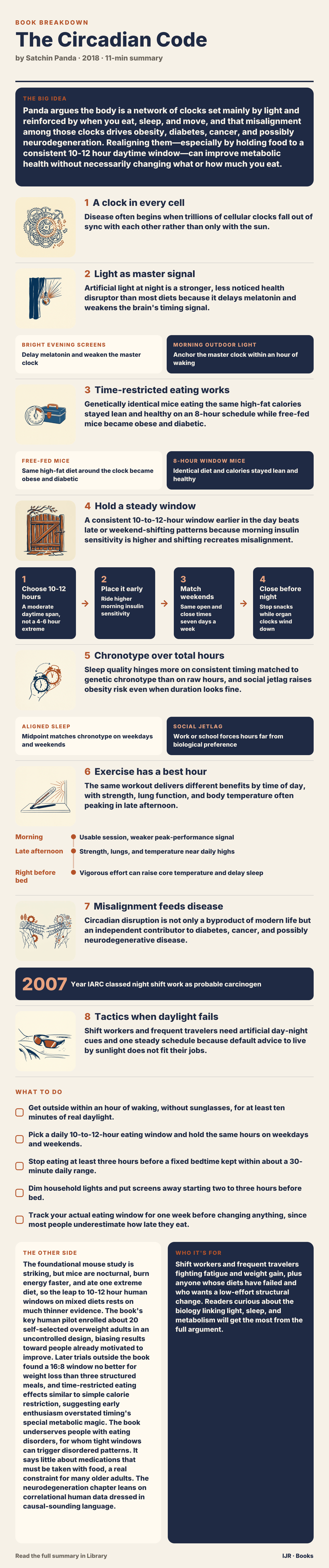
Disease often begins when trillions of cellular clocks fall out of sync with each other rather than only with the sun.
Panda opens by rejecting the idea of one body clock. Clock genes run in nearly every cell—liver, skin, fat—so the body is a crowd of timers that must stay aligned to work.
The master clock sits in the suprachiasmatic nucleus of the hypothalamus. It reads light through the eyes and sets the pace for the rest. Peripheral clocks in the liver, pancreas, and gut can reset from food on their own schedule. When meal timing fights the light-set master clock, those organs work against each other.
His lab's mouse studies showed liver clock genes shifting within days of a changed feeding schedule while the brain clock stayed locked to light. That internal mismatch, he argues, is a hidden driver of modern disease. Health becomes phase alignment: every organ doing its job at the right hour, not only the right nutrients and exercise minutes.
This claim underwrites everything that follows. If misalignment harms, consistent light and food timing become levers for preventing chronic disease independent of calorie counts or macro ratios.
In practice: Someone who eats breakfast at 6 a.m. one day and skips it for a 2 p.m. lunch the next effectively gives the liver jet lag without leaving home.
2
Light as master signal
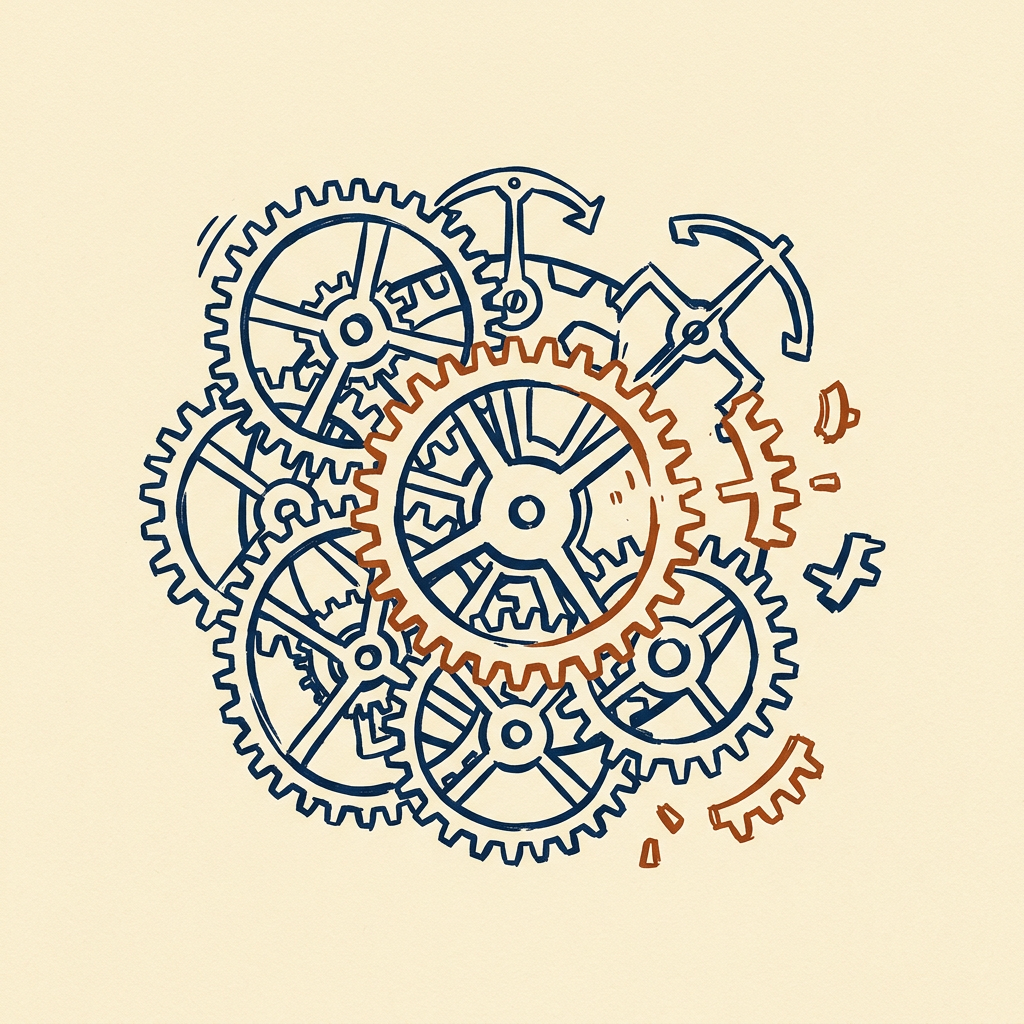
Artificial light at night is a stronger, less noticed health disruptor than most diets because it delays melatonin and weakens the brain's timing signal.
Bright evening screens
Delay melatonin and weaken the master clock
Morning outdoor light
Anchor the master clock within an hour of waking
Panda next explains how light reaches the master clock. Specialized retinal cells carrying the pigment melanopsin detect blue-toned light and signal the suprachiasmatic nucleus, separate from ordinary vision. People blind to images can still set their clocks by light; sighted people can throw theirs off by bright screens after dark.
He points to night-shift nurses and long-haul pilots with elevated obesity, cardiovascular disease, and certain cancers, tying part of that risk to irregular light exposure rather than sleep loss alone. Lab work with light boxes and dim-light melatonin onset testing showed even moderate evening indoor lighting delaying melatonin release compared with candlelight-level conditions.
Morning outdoor light within an hour of waking strengthens the master signal. Screens and overhead lighting in the two to three hours before bed weaken it. The chapter treats light, not willpower or diet, as the primary lever for keeping the central clock strong—and a strong central clock makes peripheral food timing easier to hold.
In practice: Even moderate indoor evening lighting delayed melatonin compared with candlelight-level rooms in Panda's lab testing.
3
Time-restricted eating works
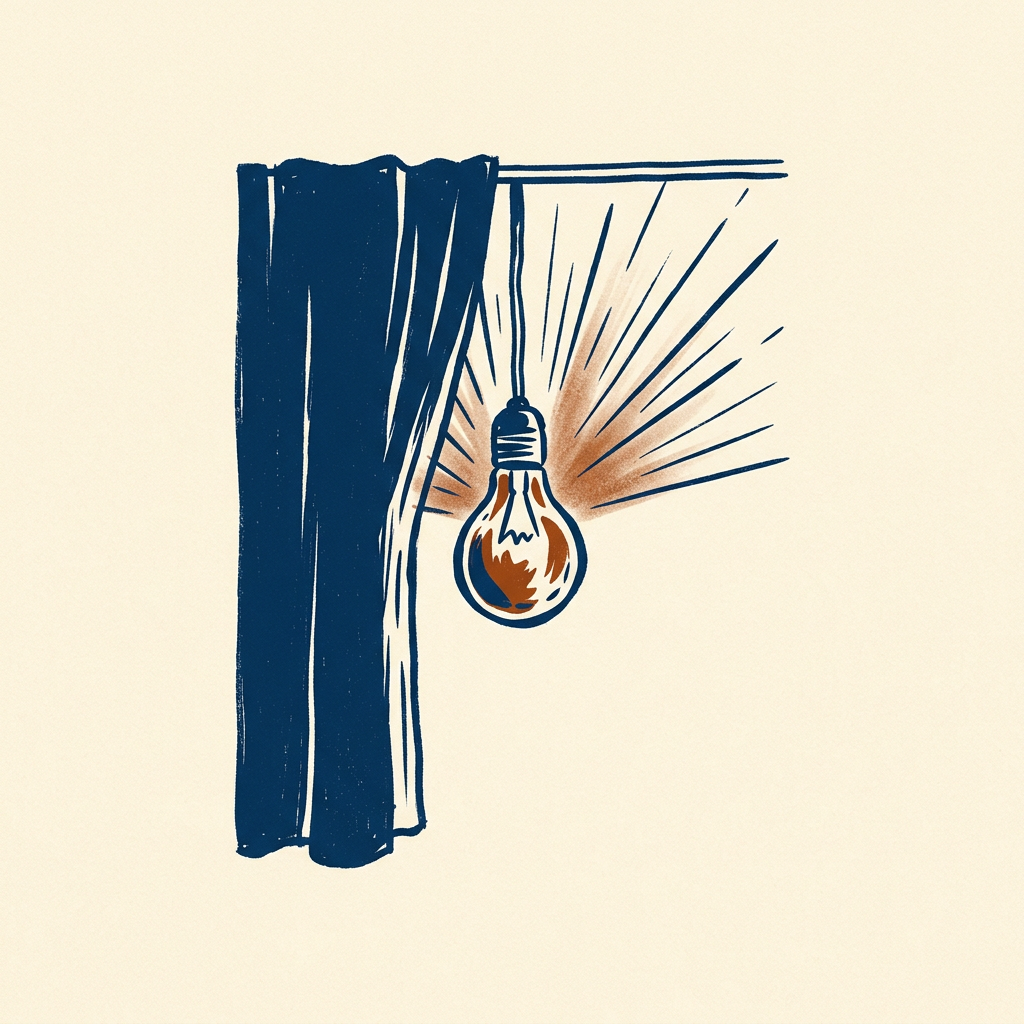
Genetically identical mice eating the same high-fat calories stayed lean and healthy on an 8-hour schedule while free-fed mice became obese and diabetic.
Free-fed mice
Same high-fat diet around the clock became obese and diabetic
8-hour window mice
Identical diet and calories stayed lean and healthy
Panda's most cited claim grows from a 2012 mouse study in his lab. Animals given a high-fat diet around the clock grew obese and diabetic. Littermates restricted to an 8-hour window on the exact same diet and calorie total stayed lean and metabolically healthy.
He argues the fasting stretch lets liver and gut clocks finish cleanup jobs such as autophagy and bile acid cycling that constant grazing interrupts. Timing itself becomes a changeable variable without rewriting the menu.
Human evidence in the book is thinner but pointed the same way. Volunteers using the myCircadianClock app photographed every meal for three weeks and revealed most Americans eating across 15 hours or more, often starting before 7 a.m. and ending after 10 p.m. A follow-up pilot with overweight adults who voluntarily narrowed to 10-11 hours, with no instruction to change foods, showed modest weight loss, better sleep, and more sustained energy after 16 weeks. Panda flags the human data as preliminary and self-selected, yet presents it as proof of concept that timing is independently modifiable.
In practice: Overweight adults who shrank their eating window to 10-11 hours without changing food choices lost some weight and slept better across 16 weeks.

4
Hold a steady window
A consistent 10-to-12-hour window earlier in the day beats late or weekend-shifting patterns because morning insulin sensitivity is higher and shifting recreates misalignment.
- 1Choose 10-12 hoursA moderate daytime span, not a 4-6 hour extreme
- 2Place it earlyRide higher morning insulin sensitivity
- 3Match weekendsSame open and close times seven days a week
- 4Close before nightStop snacks while organ clocks wind down
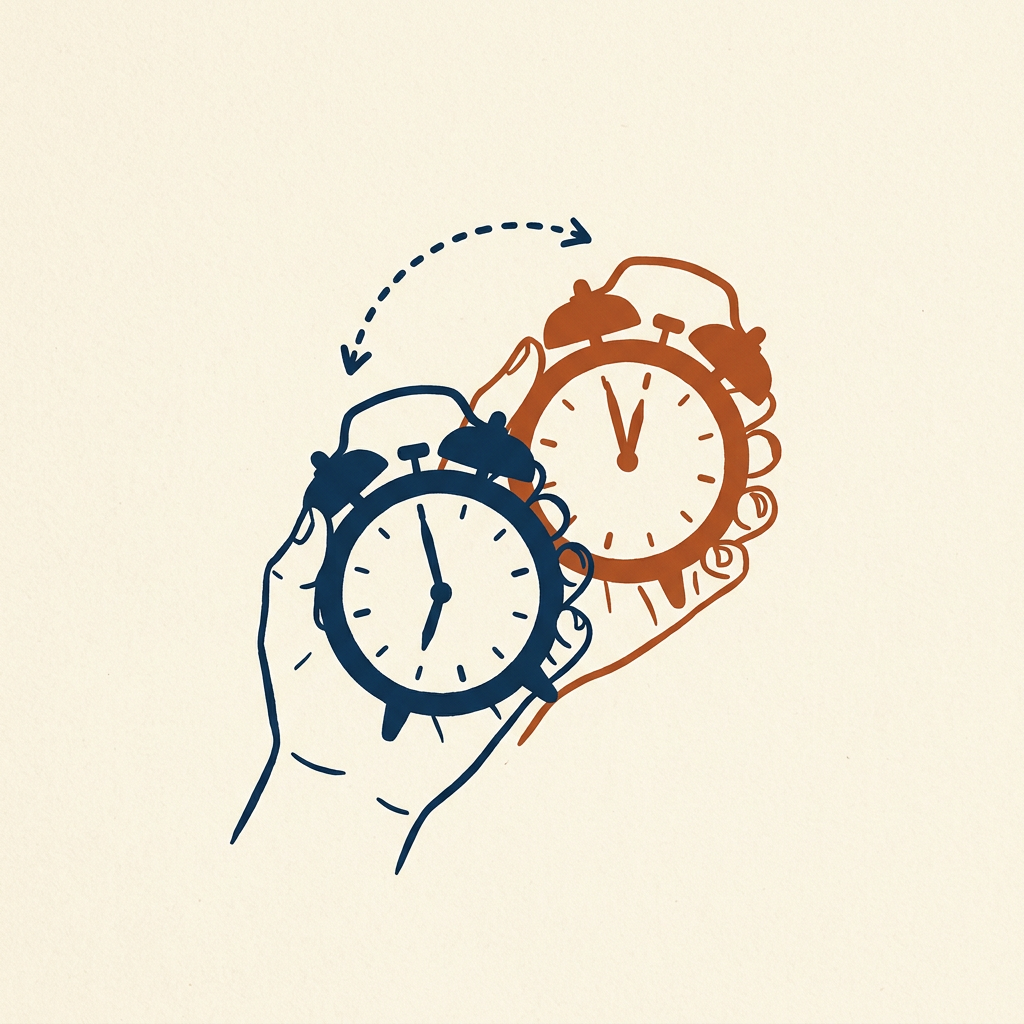
Once the concept is set, Panda turns to running it well. He wants the window earlier, not later. Metabolic ward studies he cites showed identical meals producing higher blood sugar spikes at night than in the morning, so glucose handling naturally fades across the day.
Most people should aim for 10 to 12 hours—for example 8 a.m. to 6 or 8 p.m.—rather than extreme 4-to-6-hour squeezes that are hard to sustain and can trigger overeating inside the short slot. Consistency across the week matters as much as length. Data he discusses suggested people who kept the same window on weekdays and weekends saw better results than those who fasted hard on workdays then loosened on weekends, because the flip reintroduced misalignment.
Late-night snacking is flagged as especially damaging: it forces liver and pancreas clocks to process food while their gene expression is winding down. TRE here is scheduling discipline, not calorie counting. Success means treating the eating window as a fixed daily commitment.
In practice: Identical meals produced higher blood sugar spikes at night than in the morning in the metabolic ward studies Panda cites.
5
Chronotype over total hours
Sleep quality hinges more on consistent timing matched to genetic chronotype than on raw hours, and social jetlag raises obesity risk even when duration looks fine.
Aligned sleep
Midpoint matches chronotype on weekdays and weekends
Social jetlag
Work or school forces hours far from biological preference
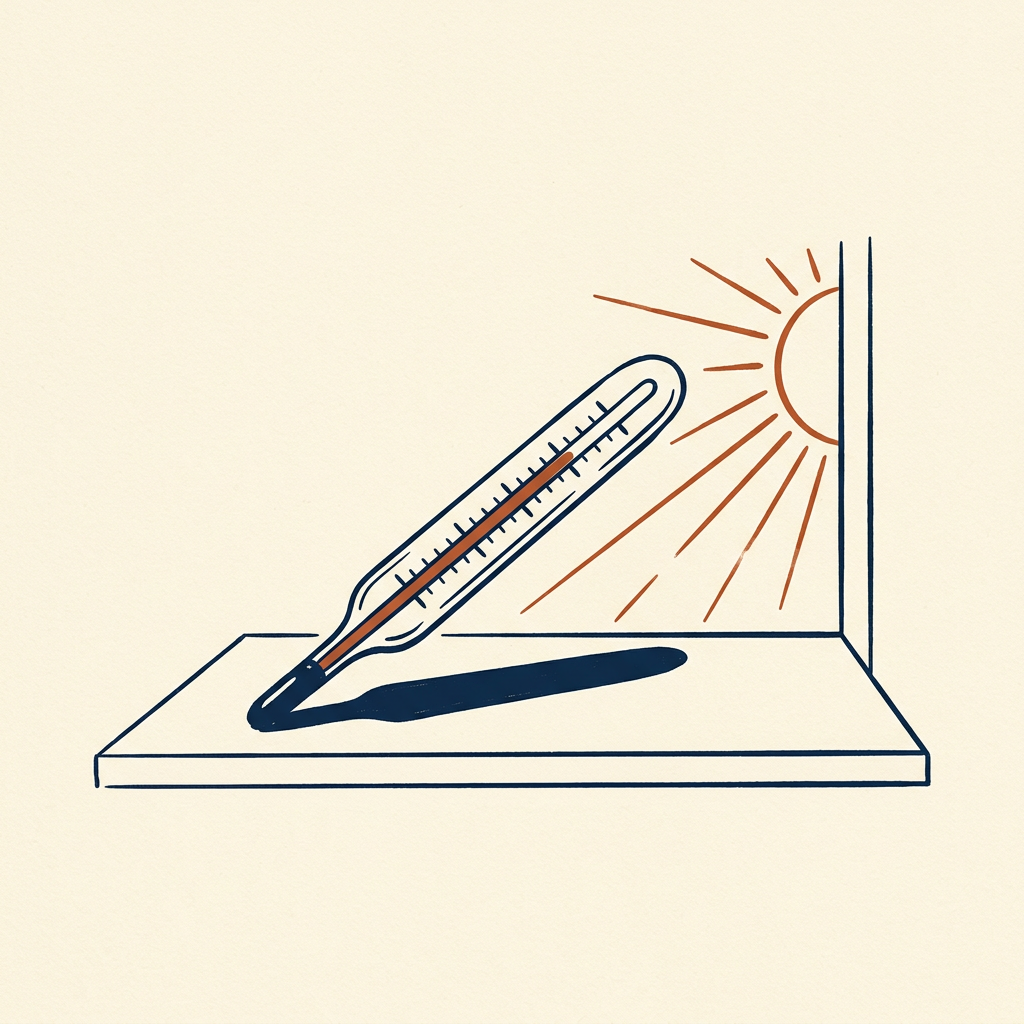
Panda separates how long you sleep from when you sleep. Chronotype is largely genetic—some people lean early (larks), others late (owls)—and researchers map it with twin studies and tools like the Munich Chronotype Questionnaire.
The real damage is social jetlag: the gap between biological preference and the schedule work or school imposes, like a mild chronic version of crossing time zones. People with large weekday-versus-weekend sleep-midpoint gaps show higher obesity and metabolic syndrome rates even after total sleep duration is controlled.
Practical advice follows: protect consistent bed and wake times seven days a week, keep weekend catch-up to about an hour, and use light and meal timing to ease a mismatched chronotype rather than force an abrupt flip. Teenagers get a special flag—puberty shifts their clocks later, so early school start times are a structural mismatch, not a discipline failure. Light, food, and sleep thus lock or unlock the same underlying system.
In practice: Large gaps between weekday and weekend sleep midpoints tracked with higher obesity and metabolic syndrome after researchers controlled for total sleep duration.
6
Exercise has a best hour
The same workout delivers different benefits by time of day, with strength, lung function, and body temperature often peaking in late afternoon.
- MorningUsable session, weaker peak-performance signal
- Late afternoonStrength, lungs, and temperature near daily highs
- Right before bedVigorous effort can raise core temperature and delay sleep
Panda reviews daily curves in muscle strength, lung function, and core temperature that generally crest in the late afternoon—one reason many track and swimming world records have historically fallen at that hour. Mouse research suggested exercise during the biological active phase drove more effective fat-burning and mitochondrial adaptation than the same work in the rest phase, though he notes human timing data were less developed when he wrote.
A common worry is that evening workouts wreck sleep. He reports moderate exercise several hours before bed usually does not meaningfully harm sleep, while vigorous effort right at bedtime can raise core temperature and delay sleep onset. For shift workers and irregular schedules, a fixed exercise slot—ideally in daylight—becomes another stabilizing cue beside light and meals.
This lever stays secondary. Exercise timing will not fix a badly misaligned clock alone. Once light exposure and the eating window are steady, a consistent daily session, preferably afternoon, adds a third reinforcing signal and may yield a modest performance and metabolic edge over a random or late-night slot.
In practice: Many world records in track and swimming have historically been set in the late afternoon when strength and temperature peak.

7
Misalignment feeds disease
Circadian disruption is not only a byproduct of modern life but an independent contributor to diabetes, cancer, and possibly neurodegenerative disease.
2007
Year IARC classed night shift work as probable carcinogen
This stretch assembles the disease case more tightly. The International Agency for Research on Cancer classified night shift work as a probable human carcinogen in 2007 after studies of nurses and flight attendants showed elevated breast cancer rates. Mouse experiments found chronic light-cycle disruption alone, with diet unchanged, accelerated tumor growth.
Clock genes themselves shape metabolism. Studies disabling Clock or Bmal1 in mice produced obesity and glucose intolerance even on a normal diet, suggesting the genes regulate metabolic pathways rather than only reacting to behavior. Links to neurodegeneration are softer: disrupted sleep-wake cycles often precede diagnosable Alzheimer's by years, and clock-gene expression looks altered in patient brains after death, yet Panda frames the human evidence as correlational rather than proven causal.
Cancer and metabolic disease sit on firmer ground where animal mechanisms and shift-work epidemiology align. That raises the stakes of the earlier habits. Light, food, sleep, and exercise timing become preventive medicine, not lifestyle polish, if misalignment measurably feeds major disease categories.
In practice: Night shift work was classed in 2007 as a probable human carcinogen based on elevated breast cancer rates among nurses and flight attendants.

8
Tactics when daylight fails
Shift workers and frequent travelers need artificial day-night cues and one steady schedule because default advice to live by sunlight does not fit their jobs.
Some readers cannot take morning light, eat by day, and sleep at night. Night-shift workers, ICU staff, and heavy international travelers live outside that pattern by design. Panda gives them a separate playbook instead of one rule for everyone.
For night shifts he recommends bright light at the start of the shift to create an artificial day, dark glasses on the commute home so morning sun does not yank the clock back, and a strictly consistent sleep schedule even on days off. Flipping between night and day patterns, he argues, causes more harm than staying on one schedule. Travelers learn why eastward trips hurt more: the human system advances its clock more slowly than it delays it, so pre-shifting meals and light a few days before departure can soften the landing.
He is candid these moves mitigate rather than erase the long-term disease costs covered earlier. Individual tactics only partly offset occupational risk, and smarter workplace shift scheduling still matters as a complement. The chapter keeps the book's prescription from ignoring economic and job constraints behavior change alone cannot solve.
In practice: Shift workers are told to wear dark glasses on the way home so morning light does not undo the night-shift clock they just set.
Key terms
- master clock The suprachiasmatic nucleus in the hypothalamus that reads light and paces the body's other clocks
- peripheral clocks Organ-level timers in places like the liver, gut, and pancreas that food timing can reset on their own
- melanopsin A pigment in special retinal cells that detects blue-toned light for circadian timing, separate from ordinary vision
- time-restricted eating Confining all daily food intake to a consistent window, often 10-12 hours, without necessarily changing what is eaten
- chronotype A largely genetic lean toward earlier (lark) or later (owl) sleep and wake times
- social jetlag The mismatch between someone's biological sleep preference and the schedule work or school imposes
- dim-light melatonin onset A test of when melatonin rises under low light, used to see how evening lighting shifts the clock
- phase alignment Keeping master and organ clocks doing their jobs at matching hours so they do not work against each other
What to do
- Get outside within an hour of waking, without sunglasses, for at least ten minutes of real daylight.
- Pick a daily 10-to-12-hour eating window and hold the same hours on weekdays and weekends.
- Stop eating at least three hours before a fixed bedtime kept within about a 30-minute daily range.
- Dim household lights and put screens away starting two to three hours before bed.
- Track your actual eating window for one week before changing anything, since most people underestimate how late they eat.
Questions to think with
- How many hours currently stretch from your first calorie to your last each day?
- Does your weekend sleep midpoint drift more than about an hour from your weekday midpoint?
- Which evening lights or screens could you dim in the two to three hours before bed without disrupting anyone you live with?
- If your job blocks a daytime eating window, which single compensatory tactic—shift-start bright light, dark glasses home, or one steady sleep pattern—could you test this month?
- Would closing the kitchen earlier clash with any medication you must take with food?
The other side
The foundational mouse study is striking, but mice are nocturnal, burn energy faster, and ate one extreme diet, so the leap to 10-12 hour human windows on mixed diets rests on much thinner evidence. The book's key human pilot enrolled about 20 self-selected overweight adults in an uncontrolled design, biasing results toward people already motivated to improve. Later trials outside the book found a 16:8 window no better for weight loss than three structured meals, and time-restricted eating effects similar to simple calorie restriction, suggesting early enthusiasm overstated timing's special metabolic magic. The book underserves people with eating disorders, for whom tight windows can trigger disordered patterns. It says little about medications that must be taken with food, a real constraint for many older adults. The neurodegeneration chapter leans on correlational human data dressed in causal-sounding language.
Who it's for
Shift workers and frequent travelers fighting fatigue and weight gain, plus anyone whose diets have failed and who wants a low-effort structural change. Readers curious about the biology linking light, sleep, and metabolism will get the most from the full argument.