




Modern comfort stripped away the struggle our bodies still need
Easter links rising obesity, anxiety, and chronic disease to lives that erased cold, hunger, loaded walking, and boredom.
IJR · Oct 17, 2026 · 11 min read
In 60 seconds
- Comfort creep turns each generation's ease into the next baseline, quietly producing obesity, anxiety, and chronic disease with no infectious cause.
- Bodies evolved for scarcity and exertion; sedentary climate-controlled life creates evolutionary mismatch that harms metabolism and stress recovery.
- Rucking—walking with a loaded pack—rebuilds bone, cardio, and resilience more efficiently than isolated gym work, proven when hunters haul eighty to one hundred pounds of meat.
- Scheduled boredom activates the default mode network for creativity and recovery that constant phone use shuts down.
- One self-designed misogi per year with roughly fifty percent odds of failure builds deeper confidence than guaranteed small wins.
- Brief voluntary cold and hunger restart brown fat and autophagy; vast nature restores attention and raises generosity via awe.
The big idea
Easter argues that eliminating physical and mental struggle has not improved health; it has removed load-bearing stressors human physiology still expects. Voluntary doses of discomfort—rucking, boredom, cold, hunger, extreme challenge, and awe—are biological requirements a frictionless culture quietly erased.
The book in brief
Easter starts from his own Las Vegas life of climate control, on-demand food, and effortless entertainment, calling it historically bizarre. For nearly all of human history, bodies faced exertion, weather, and food uncertainty; stripping those inputs did not merely ease life but removed signals the system needs, leaving obesity, anxiety, and chronic disease rising without clear infectious or genetic cause. He names the ratchet comfort creep and tests the diagnosis on a 33-day caribou hunt above the Arctic Circle.
The hunt supplies the narrative spine. Each stretch of tundra pairs with research on evolutionary mismatch: traits shaped by scarcity become liabilities in permanent ease. Hadza hunter-gatherers who walk long distances daily show lower cardiovascular disease despite diets that would alarm modern nutritionists, illustrating how daily physical demand keeps systems calibrated.
Training and the hunt itself recover loaded walking—rucking—as the default ancestral movement. Military and performance research shows it builds bone density, cardio capacity, and structural resilience better than isolated lifts. On the trip the skill turns literal when each hunter must carry eighty to one hundred pounds of meat across miles of tundra.
Field silence without phones forces prolonged boredom. Easter links it to studies showing boring tasks later improve creative performance by engaging the default mode network. He then introduces misogi: one self-chosen challenge per year with roughly even odds of failure, producing durable self-knowledge that guaranteed wins cannot.
Cold nights and unreliable food reopen two more dulled systems—brown adipose tissue activated by cold, and autophagy triggered by fasting states rather than constant grazing. Neither is to be maximized; brief controlled doses supply signals permanent comfort withholds. Open Arctic space finally supplies awe and attention restoration: nature lets directed attention rest while vast stimuli reduce self-focus and raise life satisfaction and generosity.
The arc lands on a single claim: discomfort is not punishment but an ingredient. A culture optimized only for ease will keep manufacturing fragile, restless people no matter how much material abundance it piles on.
Context
Michael Easter is a journalist, not a lab scientist; the 2021 book uses a reported-essay method that hangs research on his own 33-day guided caribou hunt. The form lets strong studies sit beside more contested claims under the same narrative confidence, which is both its reach and its limit.
The key ideas

1
Comfort as pathology
Comfort creep makes each generation’s ease the next generation’s minimum, turning frictionless life into the primary driver of obesity, anxiety, and chronic disease.
Easter describes temperature-controlled rooms, food on demand, and entertainment that requires no effort as historically strange. Nearly all of human history demanded constant physical work, weather exposure, and food uncertainty. Removing those demands did not just make life nicer; it deleted inputs the body and mind need to stay calibrated.
He points to the odd pairing of unprecedented material ease with rising obesity, anxiety disorders, and chronic disease that lack clear infectious or genetic causes. The mechanism is comfort creep: baselines of ease ratchet upward so the next generation treats yesterday’s luxury as today’s bare minimum.
The claim is not that suffering is virtuous. Certain categories of struggle are load-bearing. Strip them out and physical and mental systems fail quietly, without an obvious cause the person can name. The Alaska hunt is his deliberate reintroduction of the missing load.
In practice: His ordinary Las Vegas routine of climate control and delivered food becomes the contrast case against a month of Arctic hardship chosen precisely because modern life had erased it.
2
Bodies built for struggle
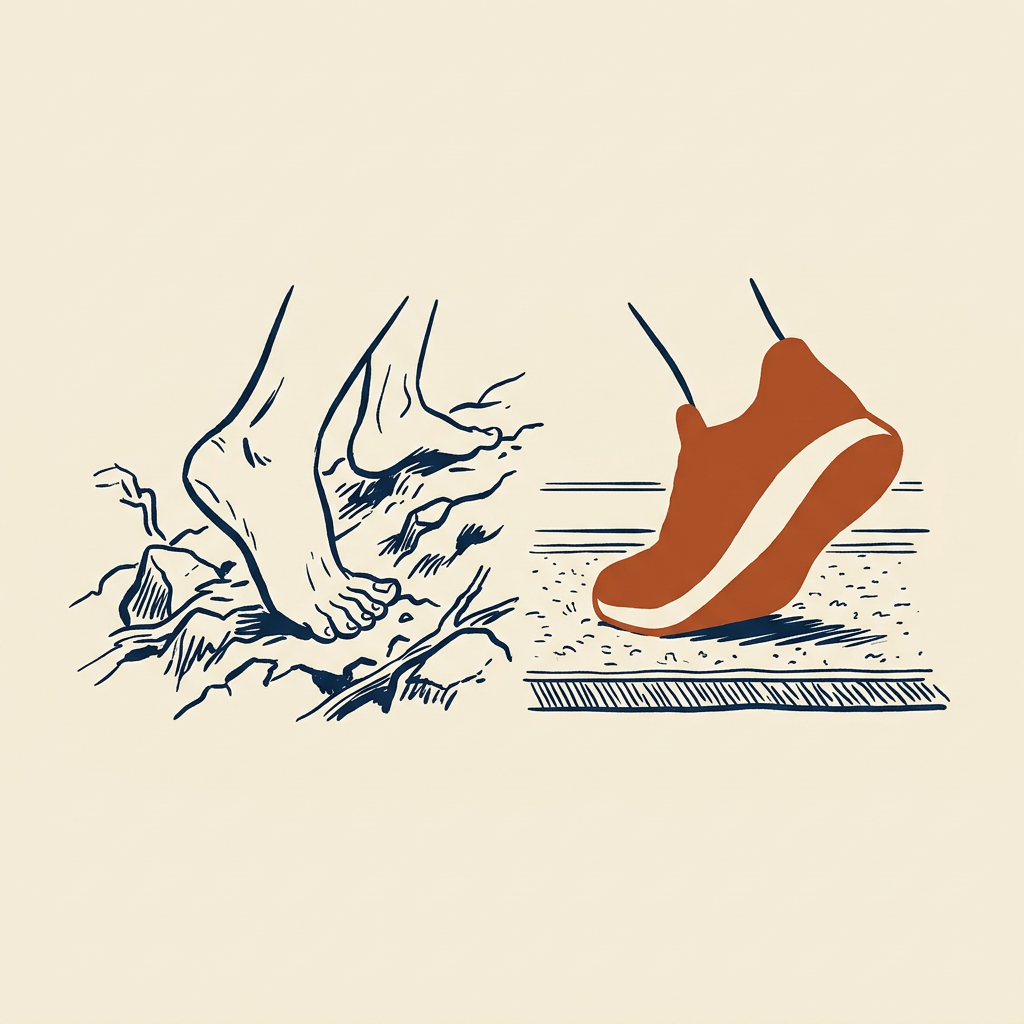
Evolutionary mismatch means traits shaped by scarcity become liabilities in permanent comfort, actively harming metabolism and stress recovery.
Ancestral load
Long daily walking, acute physical threats, irregular food and weather
Modern ease
Sedentary indoor life, chronic unresolved stress, guaranteed climate and calories
Human physiology was forged under scarcity and exertion. Put those same systems in climate-controlled sedentary life and they do not stay neutral; they degrade. Easter uses the Hadza of Tanzania, who walk long distances daily for food and show markedly lower cardiovascular disease than sedentary populations, even when their diets and body composition would worry modern nutrition metrics.
The stress-response machinery evolved for acute physical threats that resolve. Office life supplies chronic low-grade psychological stress with no physical outlet, so the machinery stays switched on without a finish line. Comfort is therefore not mere absence of hardship; it is an active condition with its own physiological signature, too recent for genetic adaptation.
This mismatch justifies the book’s structure: each later chapter reintroduces one ancestral stressor in small voluntary doses because the body still expects the signal and works better when it receives it.
In practice: Hadza daily walking keeps metabolic and cardiovascular systems calibrated in ways that sedentary comfort does not, despite diets that look alarming by modern charts.
3
Rucking recovers carrying
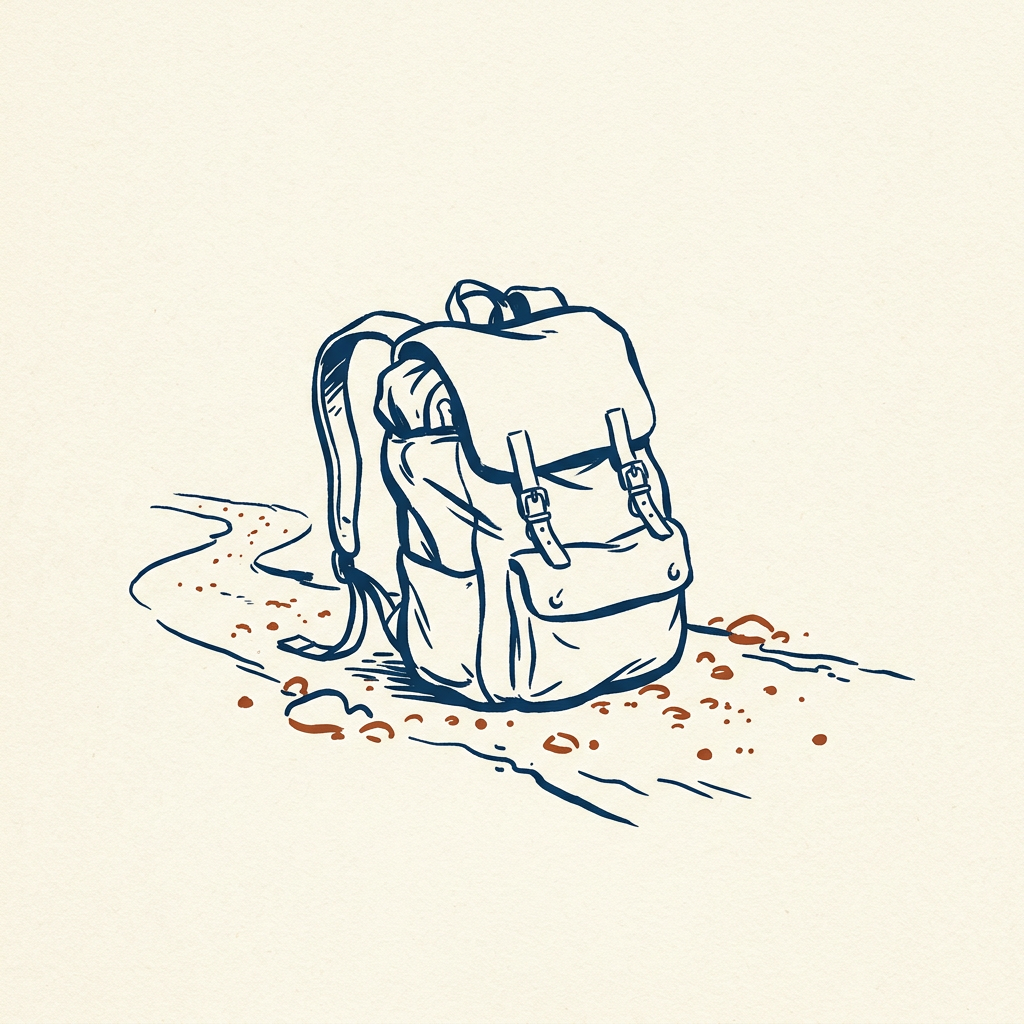
Loaded walking builds bone density, cardio, and structural resilience more efficiently than isolated gym moves, matching the movement pattern that defined most of human history.
Before the hunt Easter trains by walking with a weighted pack over distance and terrain. Gathering food, water, and firewood once meant carrying loads across ground, not lifting single muscles under a roof. Military and DARPA-linked performance work shows loaded walking combines strength and endurance in one efficient stimulus.
On the tundra the training becomes the real task: each hunter must pack out eighty to one hundred pounds of caribou meat over miles. Without prior conditioning the job fails. Gym culture’s isolated, cosmetic lifts can leave someone strong in a mirror yet unprepared for full-body weight-bearing effort.
Rucking needs no wilderness—only a pack and some terrain—so it transfers directly to ordinary weeks. It is the book’s clearest bridge from ancestral pattern to Monday morning.
In practice: Hunters who skipped the loaded-walking prep cannot move eighty to one hundred pounds of meat across the tundra; those who rucked can.

4
The case for boredom
Deliberate understimulation lets the default mode network consolidate memory and recombine ideas; constant phone use has nearly erased that state.
- 1Allow empty timeNo phone, no feed, no filler task
- 2Default mode activatesUnstructured downtime engages memory and recombination circuits
- 3Creative lift appearsLater thinking tests and associative calm improve
Without signal or entertainment, Easter sits through long stretches of pure understimulation. Psychologist Sandi Mann’s work found people who first did boring tasks such as copying phone-book numbers later scored higher on creative thinking tests than those given no boring prelude.
The proposed engine is the default mode network—brain regions that light up in unstructured downtime and support memory consolidation, self-reflection, and the idea recombination behind insight. Endless feeds let any idle second be filled with novelty, so the network rarely gets the empty runway it needs.
Early Arctic days bring irritability and restlessness; later days bring calmer, more associative thinking. Modern anxiety and creative stall are partly an understimulation deficit: boredom was engineered out exactly when evidence says people need more of it. The fix is scheduled emptiness, not permanent asceticism.
In practice: Mann’s subjects who copied numbers from a phone book afterward outperformed others on creative tests, the same shift Easter notices once Alaskan quiet replaces his phone.
5
Misogi nearly impossible
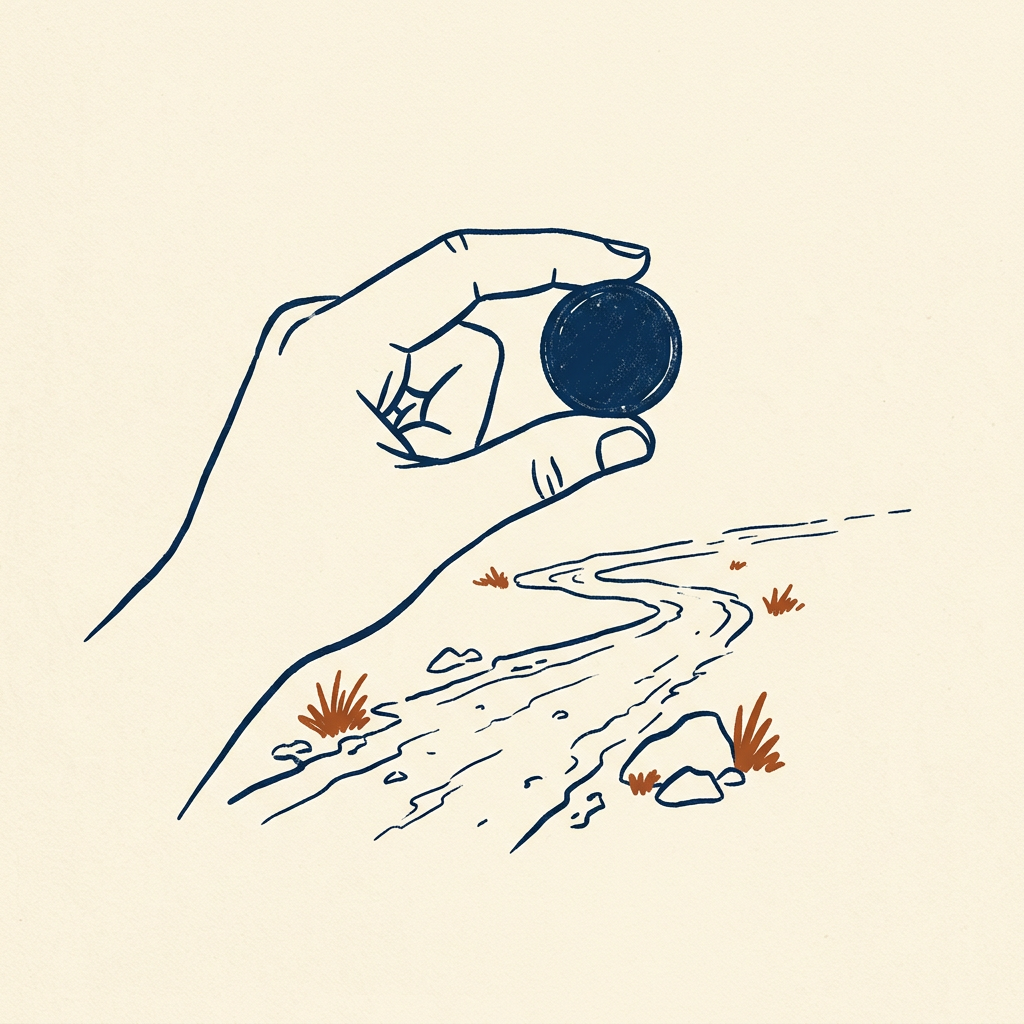
One self-designed yearly challenge with roughly fifty percent odds of failure produces durable confidence that guaranteed incremental wins cannot.
Marcus Elliott, a Harvard-trained physician running the P3 performance lab, adapts a loose Japanese purification idea into a practical rule: undertake one severe physical or mental challenge per year that you yourself design, with real stakes and completion odds near a coin flip.
Typical goal culture prefers small near-certain wins that accumulate shallow confidence. A task that might actually fail, attempted seriously, teaches what body and mind can do under uncertainty rather than what a pre-approved program promised. The Alaska hunt is Easter’s own misogi—its success and his capacity genuinely unknown at the start.
Extremity for its own sake is not the point. The same outing can be a misogi for one person and trivial for another; difficulty is personal. The practice corrects a culture that has optimized both daily effort and personal risk down to near zero.
In practice: Easter treats the month-long Arctic hunt as his misogi because both the caribou outcome and his ability to finish are genuinely uncertain when he begins.
6
Cold and hunger signals
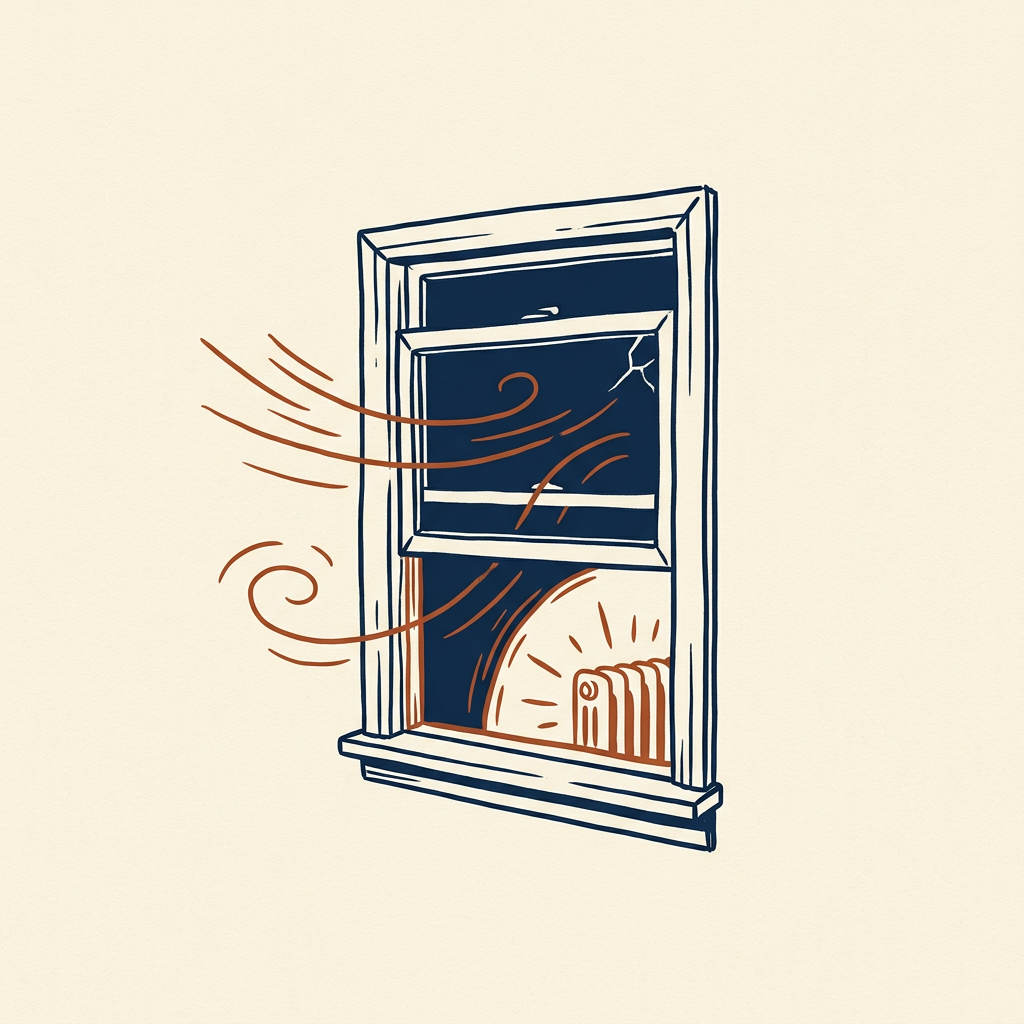
Brief voluntary cold and fasting re-activate brown fat and autophagy that permanent climate control and grazing have switched off.
Arctic nights and stretches without reliable food let Easter examine two systems dulled by convenience. Brown adipose tissue burns energy to make heat and grows more active with regular cold exposure. Constant indoor climate removes a metabolic stimulus the body once received often. Breathing and cold-immersion methods linked to Wim Hof show mixed but suggestive effects on inflammation and stress response.
On hunger, caloric restriction and autophagy—the cellular cleanup of damaged parts—appear more readily in fasting states than in all-day grazing. Modern snacking keeps insulin and digestion permanently busy and may blunt that periodic cleanup.
Chronic cold or starvation is dangerous; the evidence supports short, controlled doses only. A body evolved for irregular cold and irregular scarcity is confused by an environment that guarantees neither will ever happen. Small deliberate signals restore what comfort erased.
In practice: Cold nights on the hunt and periods without steady food become the live test for brown-fat activation and fasting-triggered cellular cleanup that climate control and constant grazing suppress.
7
Awe restores attention
Vast natural environments rest directed attention and, through awe, reduce self-focus while raising generosity and life satisfaction.
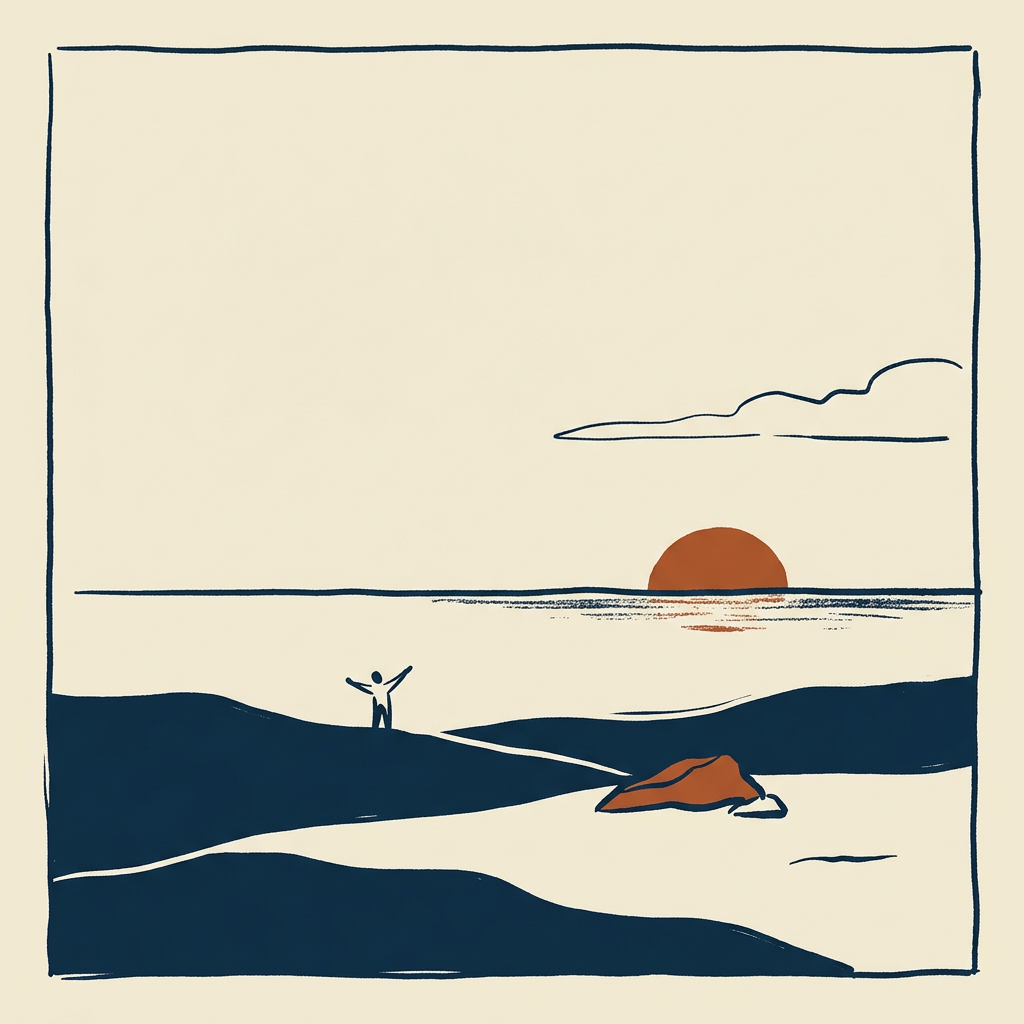
Open Arctic tundra pushes Easter toward Attention Restoration Theory from Rachel and Stephen Kaplan: nature lets effortful directed attention rest while engaging softer involuntary attention. That is why time outside reduces mental fatigue more than passive entertainment, which still taxes directed attention even when it feels easy.
Dacher Keltner’s work at UC Berkeley links awe—triggered by vast or novel stimuli—to less self-focus, more prosocial behavior, and higher reported life satisfaction. The tundra supplies the scale that ordinary indoor life rarely does.
Comfort culture not only removes physical stressors; it also removes the environmental triggers that reset attention and shrink the self. Awe is the final missing input the hunt restores.
In practice: Days surrounded by open tundra produce the attention rest and awe-driven drop in self-focus that Kaplan and Keltner describe, unlike entertainment that still demands directed focus.
Key terms
- comfort creep The ratchet that turns one generation’s new ease into the next generation’s minimum expectation
- evolutionary mismatch When traits shaped by scarcity become harmful inside permanent comfort and sedentary life
- rucking Walking with a weighted pack to rebuild the loaded carrying that once defined daily human movement
- default mode network Brain regions that activate in unstructured downtime and support memory, reflection, and creative recombination
- misogi One self-designed yearly challenge with roughly even odds of failure and real stakes
- brown adipose tissue Fat that burns energy to generate heat and grows more active with regular cold exposure
- autophagy Cellular cleanup of damaged components that appears more readily during fasting than constant feeding
- Attention Restoration Theory The claim that nature rests effortful directed attention by engaging softer involuntary attention
- awe Emotion from vast or novel stimuli that reduces self-focus and raises generosity and life satisfaction
What to do
- Carry a weighted backpack on one weekly walk or commute, starting light and adding load gradually.
- Block one full hour this week with no phone and no entertainment and stay with the boredom.
- Pick one activity you are genuinely unsure you can finish and set a fixed date this year to attempt it.
- Take a short cold exposure this week—cold shower finish or brief outdoor time underdressed—without turning it into endurance.
- Leave one meal gap or skip snacks for a single fasting window to let hunger arrive on purpose.
- Spend one stretch of time this week in the largest natural view you can reach and put the phone away.
Questions to think with
- Which daily comfort have you stopped noticing, and what small friction could you put back this month?
- If your next hard challenge needed roughly even odds of failure, what would you actually choose?
- When was the last time you sat with boredom long enough for your mind to wander without a feed?
- How much of your stress is chronic and unresolved because it never gets a physical finish line?
- What would change if discomfort were treated as a weekly ingredient rather than a yearly emergency?
The other side
The book builds a sweeping theory from one extraordinary guided hunt that is not a controlled trial; strong studies sit beside contested claims with equal narrative confidence, ancestral comparisons lean on a single population and risk the paleo fallacy, and the prescriptions largely ignore class, access, time, and the structural forces that make sedentary stressed life the default.
Who it's for
Office workers who feel their air-conditioned, frictionless days are making them weaker, plus fitness readers who want a physiological rationale for hard challenges and anyone who likes adventure narrative braided with reported science. Readers seeking population-level policy fixes or tight academic synthesis will find less to use.