




Your twenties set more of adult life than you think
Career, relationship, and identity groundwork gets laid in the twenties, so treating the decade as throwaway time shrinks later options.
IJR · Oct 27, 2026 · 12 min read
In 60 seconds
- Roughly 80 percent of life's most defining moments occur by age thirty-five.
- Deliberate skills and credentials become identity capital; unfocused jobs leave no narrative to hire.
- Weak ties through acquaintances open more doors than a tight circle of close friends.
- Naming what you already sort of want beats hiding behind safe vagueness.
- Sliding into cohabitation by convenience predicts worse outcomes than deciding on purpose.
- The prefrontal cortex keeps developing until roughly twenty-five, so twenties habits shape lifelong patterns.
The big idea
Jay argues the twenties are not a low-stakes waiting room before real adulthood; they are when career, marriage, family, and even brain patterns get set. Treating the decade as consequence-free does not protect you—it delays and often shrinks options—so deliberate investment beats drift.
The book in brief
Jay opens by rejecting the comfort phrase that thirty is the new twenty. She counters with a hard frame: about 80 percent of defining moments land by thirty-five, and a large share of lifetime wage growth happens in the first ten to fifteen career years. Clients who assumed nothing in their twenties really counted later arrived without coherent résumés or partner clarity, anxious about time already spent. She is not calling for panic or premature settling. Unstructured time, she says, does not automatically become useful experience.
She then names the mechanism: identity capital. Skills, credentials, ways of talking about yourself, and a track record of choices become assets others read as evidence of who you are. Not every job builds the same capital. Someone with five unrelated short-term roles by twenty-six can work hard and still have no answer when an interviewer asks what it all adds up to. Employers hire a narrative, not just activity.
Networks get the same scrutiny. Drawing on Granovetter's 1973 findings, Jay shows most jobs come through weak ties—former coworkers, friends of friends, people met once—not closest friends, who share the same leads and limits. The cozy urban tribe can become a trap. One client networked only through the same five friends for months; leads appeared only after she reached former professors, distant relatives, and wedding acquaintances.
Direction has to surface first. Many twentysomethings already carry an unthought known—what they want—but hide behind “I don’t know” because naming it makes failure possible. Jay’s method is to treat the vagueness itself as data, notice what already pulls or repels, and test whether hesitation is real uncertainty or fear of commitment. Without a rough target, capital and weak ties have nowhere to aim.
Work and love then get parallel prescriptions. Exploration should test a hypothesis through an internship, certificate, or short role rather than years of bartending with no new information. Couples who slide into cohabitation for rent or convenience later report lower quality and more separation than those who decide on purpose; entanglement grows before compatibility is checked. Neuroscience adds weight: the prefrontal cortex keeps maturing into the mid-twenties, so habits of avoidance or follow-through etch in more deeply now. Fertility is named plainly too—decline begins in the late twenties and steepens after thirty-five, for women and, less steeply, for men—so family clocks deserve early information rather than late surprise.
The book lands on deliberate action over drift: name the lean you already feel, invest specifically, use weak ties, and choose partners and timelines on purpose. The twenties are not a rehearsal. They are where much of adult life gets built.
Context
Meg Jay is a clinical psychologist whose practice centers on twentysomethings. Published in 2012, the book challenged the cultural idea that early adulthood is extended adolescence and drew public debate, especially around its fertility chapter and a related TED talk.
The key ideas

1
Real stakes of the twenties
Jay argues that roughly 80 percent of life's defining moments occur by thirty-five, so the twenties are the corridor where career and family doors get chosen, not a waiting room.
80%
of defining life moments by age thirty-five
The phrase “thirty is the new twenty” lets people treat the decade as extended, low-stakes adolescence. Jay pushes back with timing. Most trajectory-setting moments in career, marriage, and family arrive by thirty-five, which puts the real choosing inside the twenties.
Labor economics sharpens the point. A large share of lifetime wage growth happens in the first ten to fifteen years of work, so early job choices compound instead of washing out. Delay does not preserve optionality; it often shrinks it.
Her clients show the cost. People who assumed nothing really counted arrived in their late twenties or early thirties without a coherent résumé or a clear sense of what they wanted from a partner. Jay is not demanding premature settling. She is saying that treating every choice as reversible removes the motive to choose well.
In practice: Clients who drifted through their twenties later sat in her office anxious about time they felt they had already lost and options that no longer looked open.

2
Identity capital compounds
Jay holds that deliberately gathering skills, credentials, and a coherent track record builds a compounding asset, while passively keeping options open leaves little to stand on.
Identity capital is the mix of personal assets others read as evidence of who you are. Some of it is visible—a degree, a title. Some is invisible—the ability to solve problems under pressure or negotiate a raise.
Not all twenties experience counts the same. A year of travel plus low-commitment retail can be fine, but it builds different capital than an internship in a chosen field or a role with rising responsibility. Activity is not the same as progress.
Employers hire a story. A résumé with no throughline reads as drift even when the person worked hard. Before taking a job or program, Jay wants the person to ask what it will let them say about themselves in two years.
In practice: A client held five unrelated short-term jobs by twenty-six and could not answer, in an interview, what those jobs added up to.

3
Weak ties over the tribe
Jay treats casual acquaintances as stronger door-openers than a tight urban tribe, because close friends recycle the same limited information.
Granovetter’s 1973 work found most people land jobs through acquaintances, not best friends. Close friends move in the same circles, so they share the same leads and the same ceilings.
Weak ties cross networks. A former professor, a distant relative, or someone met once at a wedding carries different information. The popular image of twentysomethings doing everything with one tight friend group is emotionally appealing and practically narrowing.
Jay is not against close friendship. She is against mistaking comfort for a career resource. Social energy spent only reinforcing a closed loop is energy not spent extending outward.
In practice: An unemployed client networked only through the same five friends, who had already exhausted their contacts; new leads appeared within weeks after she reached former professors and distant acquaintances.

4
Name the unthought known
Jay argues many twentysomethings already know what they want at some level, and progress starts when they stop protecting themselves with vagueness.
Safe vagueness
“I don’t know” blocks judgment and failure—and action
Named lean
An explicit direction that can be tested, refined, or discarded
The unthought known is what you are aware of without having said it out loud. Clients often claim they have no idea what they want while their enthusiasm, avoidance, and side comments point in a clear direction.
Saying “I don’t know” is safer than saying “I want to be a writer” or “I want to leave this relationship.” The vague version cannot be judged and cannot fail. It also cannot be acted on.
Jay’s method is not endless brainstorming. Notice what you already gravitate toward. Then test whether the hesitation to name it is real uncertainty or fear of commitment. Without a rough target, identity capital and weak ties have nowhere to go.
In practice: Someone speaks about a field with obvious energy yet insists they are “just not sure,” or details a partner’s flaws at length while calling the relationship fine.
5
Work as a testable hypothesis
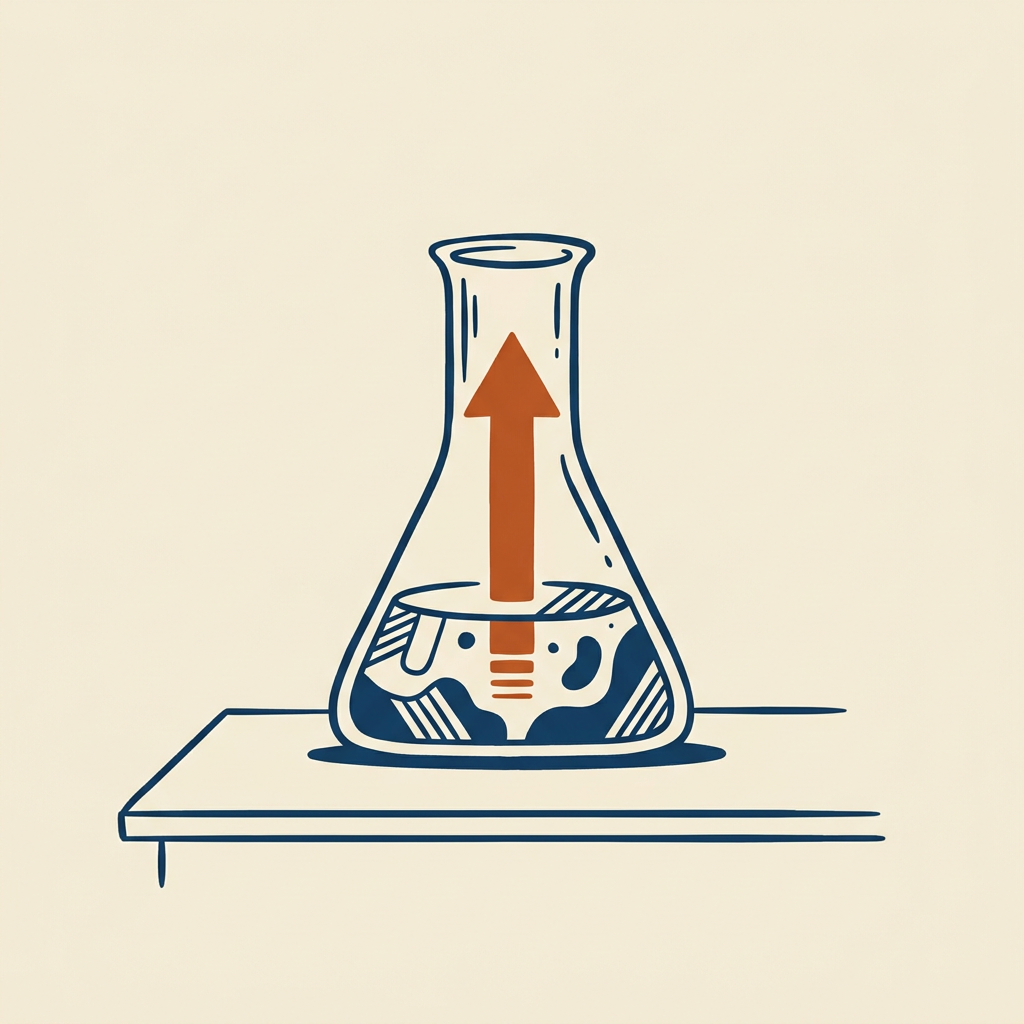
Jay contends that open-ended exploring breeds anxiety, while testing one plausible direction through short, deliberate roles builds capital you can use.
- 1Surface a leanName the direction you already tilt toward
- 2Run a small testInternship, certificate, informational interview, or short role
- 3Refine or discardLet the result update the hypothesis instead of waiting for fog to lift
The popular script says the twenties are for pure exploration and clarity will arrive on its own. Jay says unstructured exploring often produces more anxiety, not more clarity, because nothing specific is ever tested.
Her alternative is deliberate exploration. Surface a lean from the unthought known. Then test it with an internship, a certificate, an informational interview, or a short-term role. Use the result to keep, adjust, or drop the path.
Years in unrelated low-skill work are not neutral. Because so much lifetime earnings growth happens early, those years are foregone growth. A track record in one area, even if later abandoned, still becomes capital that makes the next pivot easier. An unfocused history makes every application look like a first attempt.
In practice: A composite client spent three years bartending while “figuring things out”; the problem was not bartending itself but that no specific direction was ever tested, so three years passed with no new information.

6
Decide, don’t slide
Jay holds that couples who move in by convenience without an explicit future decision later report lower quality and more separation than couples who decide on purpose.
Sliding
Move in for rent or convenience; entanglement grows before compatibility is checked
Deciding
Treat early stages as active vetting of conflict, money, and family fit
Rhoades and Stanley’s work on sliding versus deciding underpins the chapter. Couples who cohabit to split rent or because a lease is ending, without a clear decision about the relationship’s future, more often end up with lower quality and higher separation rates.
Jay calls this the cohabitation effect. The damage is less from living together than from the missing decision. Shared leases and possessions entangle people before they have really vetted conflict, money, and family fit.
The parallel to career drift is direct. Unstructured job-hopping fails to build identity capital; unstructured cohabitation fails to build relationship clarity. Both come from preferring the easy non-decision.
In practice: A couple moved in mainly because a lease was ending, stayed through years of incompatibility by practical inertia, and only named the mismatch during a difficult breakup.

7
Brain still under construction
Jay points out the prefrontal cortex keeps forming connections until roughly age twenty-five, so twenties habits become lifelong patterns more readily than the same habits adopted later.
Developmental imaging, including work associated with Jay Giedd, shows the prefrontal cortex—planning, impulse control, long-term thinking—continues maturing and myelinating into the mid-twenties. The adult brain is not already finished and merely applying itself to new situations.
What you repeatedly do in this window shapes the architecture doing the choosing. Habits of avoidance, procrastination, follow-through, or confidence etch in more deeply now than they would later.
That makes the decade an unusually effective window for behavior change. Skipping hard conversations or job applications does not just miss those tasks; it trains avoidance as a neural default. The earlier advice about capital, weak ties, and deliberate partners is also, on this account, practice that sculpts the brain itself.
In practice: Twentysomethings who habitually dodge uncomfortable tasks are not only missing those tasks; they are reinforcing avoidance as the brain’s easier path.

8
The clock nobody mentions
Jay argues fertility decline begins gradually in the late twenties and steepens after thirty-five, so family planning deserves early accurate information rather than late pressure.
Career and relationship advice for twentysomethings often leaves fertility out, as if it can be deferred forever. Jay lays out the pattern: egg quantity and quality decline gradually from the late twenties, then the rate steepens after thirty-five. Assisted reproduction does not simply restore earlier odds; IVF success falls with age.
This is not only a women’s issue. Sperm quality also declines with age, less steeply, and a male partner’s age factors into a couple’s timeline. The point is not to rush into parenthood. It is to make family decisions with real information early instead of discovering limits under pressure.
Naming the clock earlier would not force everyone to have children sooner. It would let people see that the option has a shape and a shelf life while other twenties choices are still open.
In practice: A client in her late thirties had treated fertility as a distant, unlikely concern and was caught off guard by a specialist’s timeline once she and her partner felt ready.
Key terms
- Identity capital The skills, credentials, track record, and ways of describing yourself that you invest in and that others read as who you are.
- Weak ties Casual acquaintances who bridge into different networks and often carry more useful leads than close friends.
- Urban tribe A tight circle of close twentysomething friends who do everything together and can become a closed information loop.
- Unthought known Something you already sense about what you want but have not consciously named, often hidden behind “I don’t know.”
- Sliding versus deciding Moving forward by convenience and inertia versus making an explicit choice about a relationship’s future.
- Cohabitation effect The pattern of lower later relationship quality and higher separation tied to moving in without a clear prior decision.
- Prefrontal cortex The brain region for planning, impulse control, and long-term thinking that keeps developing into the mid-twenties.
What to do
- Write down the career, relationship, or money direction you already lean toward but have avoided naming, and treat the hesitation as fear rather than proof you do not know.
- Reach out to three people you have not spoken to in over a year—not close friends—and ask one specific question about their work or field.
- If you are cohabiting or drifting toward it, have an explicit conversation about where the relationship is headed before signing anything jointly.
- Audit your current job or program for the specific skill or credential it is building; if the answer is vague, add one deliberate course, project, or responsibility request within a month.
Questions to think with
- What do you already lean toward but keep protecting with “I don’t know”?
- Which current job or friendship is building capital, and which is only filling time?
- Are you sliding into any living or relationship setup without an explicit decision?
- Who are three weak ties outside your usual circle you could contact this month?
- What would change if you treated this decade as the main build rather than a warmup?
The other side
Jay’s urgency rests heavily on composite stories from her own therapy practice. That caseload is self-selected toward people who can pay for private therapy and already frame their lives as stalled, not a representative sample. The statistics she cites are real, but the book never tests whether her prescriptions—deliberate exploration, weak-tie networking, explicit relationship decisions—actually improve outcomes in controlled studies. The frame assumes an educated, middle-class, college-to-career path in the United States and has little to say to people hemmed in by debt, gig work, immigration status, disability, or caregiving. Critics also argued the fertility chapter overstated urgency for women, underplayed egg freezing and adoption, and landed more heavily on women than the book’s broader both-sexes claim. Non-heterosexual relationships and non-Western family timelines get little attention. The core claim that early choices compound still stands; the specific thresholds and one-size urgency are better read as a prompt for reflection than as a calibrated risk model.
Who it's for
Twentysomethings who feel behind while still telling themselves they have plenty of time. Parents, mentors, therapists, and career counselors who need a clear developmental frame for a directionless young adult.