




Expectations reshape hormones, pain, sleep, and aging
Stressed, sleep-anxious, aging-worried, or performance-pressed readers get a scientific case for treating beliefs as editable biological inputs.
IJR · Oct 30, 2026 · 11 min read
In 60 seconds
- Robson argues expectations are causal inputs that change hormones, immune activity, and pain signaling through the brain’s prediction systems, not passive mental filters.
- Sham knee surgeries and open-label placebos still relieve symptoms because the nervous system generates physiology to match its forecasts, and nocebo warnings raise real side-effect rates.
- Reappraising stress arousal as fuel rather than threat improves cardiovascular response and later test scores in the research he cites.
- False feedback that you slept poorly impairs cognition even when actual sleep matches peers told they slept well.
- Positive aging beliefs measured decades earlier linked to 7.5 extra years of life and better recovery in Levy’s work Robson discusses.
- Expectation can ease pain and stress-mediated symptoms but cannot shrink tumors, cure infections, or replace medicine for serious disease.
The big idea
Robson argues that expectation is not a story about the body but a signal the body acts on, altering cortisol, dopamine, hunger hormones, pain maps, and aging trajectories. Deliberately revising the labels on stress, sleep, food, effort, and age produces measurable change inside real biological limits, without magical thinking.
The book in brief
Robson opens by treating expectation as machinery, not mood. Sham arthroscopic knee surgeries in early-2000s trials relieved pain as well as real ones, and open-label placebos still cut symptoms in IBS and back pain. He frames the nervous system as a prediction engine that releases hormones, tunes immunity, and sets pain signals to match its forecast—making nocebo side-effect warnings equally potent.
He then applies that mechanism to stress. When people reappraise racing hearts and sweaty palms as the body preparing to perform, blood vessels dilate rather than constrict, and short interventions later lift GRE scores. Hotel housekeepers told their ordinary cleaning already counted as exercise lost weight and blood pressure in four weeks with no behavior change. The claim is not that chronic stress is harmless, only that the belief it is purely destructive adds its own nocebo layer.
Sleep, food, and movement follow the same logic. False feedback about sleep quality shifts cognitive scores independent of actual rest; fear of insomnia compounds the deficit. Identical milkshakes drop ghrelin more when labeled indulgent; expensive-looking wine and elaborate menu language raise reward response; athletes given inert “performance enhancers” output more. Expectation sits inside the real physiological envelope, not outside it.
Aging research extends the pattern across a life stage. Langer’s 1981 counterclockwise week improved grip, posture, vision, and cognition in elderly men living as if it were 1959. Levy’s longitudinal work linked positive aging beliefs to 7.5 extra years of life and better fracture recovery. Cultural stereotypes of inevitable decline function as chronic low-grade nocebos.
Robson then draws a hard line on pain and illness: conditioned placebos and ritual can reduce pain-map activity and migraine symptoms, yet they do not shrink tumors or clear infections, and oversold mind-over-matter claims have delayed real care. The close synthesizes the evidence into editable self-scripts—growth-mindset and identity-based frames work when specific and credible, not as vague affirmations—and treats everyday expectations as testable hypotheses that compound through daily choices.
Context
David Robson published the book in 2022. It mattered because it moved mindset research beyond self-help slogans into rigorous, replicated science and gave readers testable ways to reframe belief for real physical and mental gain.
The key ideas
1
Belief runs body chemistry
Expectation is a direct causal input that changes dopamine, cortisol, immune signaling, and pain output, not a passive filter on reality.
Placebo path
Sham surgery or known-inert pill still triggers real symptom relief via prediction
Nocebo path
Side-effect warnings raise reported impotence and fatigue on the same drugs
Robson begins with findings that only make sense if the brain generates physiology rather than merely reporting it. Sham surgeries for knee osteoarthritis relieved pain as effectively as real arthroscopic procedures. Open-label placebos—pills patients know are inert—still reduce symptoms in irritable bowel syndrome and chronic lower back pain.
He treats the nervous system as a prediction machine that constantly forecasts what comes next and adjusts hormone release, immune activity, and pain signaling to match. That is why nocebo effects are equally concrete: patients warned about statin or beta-blocker side effects such as impotence or fatigue report them far more than blinded controls.
The practical upshot is that mindset work becomes a biological intervention, testable and falsifiable. If belief can move cortisol or inflammatory markers in a lab, deliberately reshaping belief is a legitimate health strategy rather than motivational talk. Every later chapter rests on this mechanical claim.
In practice: In Bruce Moseley’s early-2000s trials, patients who received sham knee surgery for osteoarthritis reported pain relief matching those who had real arthroscopy.
2
Stress can be fuel
Interpreting arousal as preparation rather than threat dilates blood vessels and can improve later test performance.
Threat label
Arousal read as danger; vessels constrict; performance suffers
Fuel label
Arousal read as readiness; vessels dilate; scores and focus improve
Building on the prediction mechanism, Robson turns to reappraisal work by Alia Crum and Jeremy Jamieson. Participants taught to read a racing heart and sweaty palms as the body readying to perform showed healthier cardiovascular profiles—vessels dilated in an exercise-like pattern instead of constricting as in fear.
Jamieson’s GRE studies found that a brief lesson in labeling arousal as helpful raised actual scores weeks later. Crum’s 2007 hotel housekeepers study showed that workers told their cleaning already met exercise guidelines dropped weight, blood pressure, and body fat within four weeks despite zero change in behavior.
Robson does not claim stress is harmless. Chronic unmanaged load still damages. His point is that the belief stress is inherently destructive becomes an extra nocebo. Reappraisal works best on acute stressors such as exams or talks; evidence on long-term burnout is thinner.
In practice: Housekeepers informed that their daily cleaning already counted as recommended exercise showed measurable drops in weight, blood pressure, and body fat in four weeks with no change in activity.
3
Sleep you believe you got
Being told you slept poorly can impair cognition more than the poor sleep itself when actual rest is identical.
Told slept poorly
Cognitive scores fall even when hours matched
Told slept well
Same sleep, better next-day performance
Robson extends reappraisal to sleep with studies that give false feedback about sleep quality. Participants told they slept worse than average scored lower on cognitive tests than those told they slept well, even though tracked sleep time was the same.
Anxiety about insomnia activates the same threat pathways that turn ordinary arousal into damaging stress, so fear of a bad night compounds any real deficit. That is why cognitive behavioral therapy for insomnia, which dismantles catastrophizing about sleeplessness, shows stronger long-term evidence than sleeping pills in the meta-analyses he cites.
He also flags orthosomnia: obsessive checking of sleep-tracker scores generates the very problems the devices were meant to prevent—a classic nocebo loop. Reducing the catastrophe of one bad night improves both subjective rest and daytime function, though reframing cannot erase severe chronic deprivation such as shift work.
In practice: In Draganich and Erdal’s work, people given false poor-sleep feedback performed worse on cognitive tests than peers given false good-sleep feedback despite identical actual sleep.
4
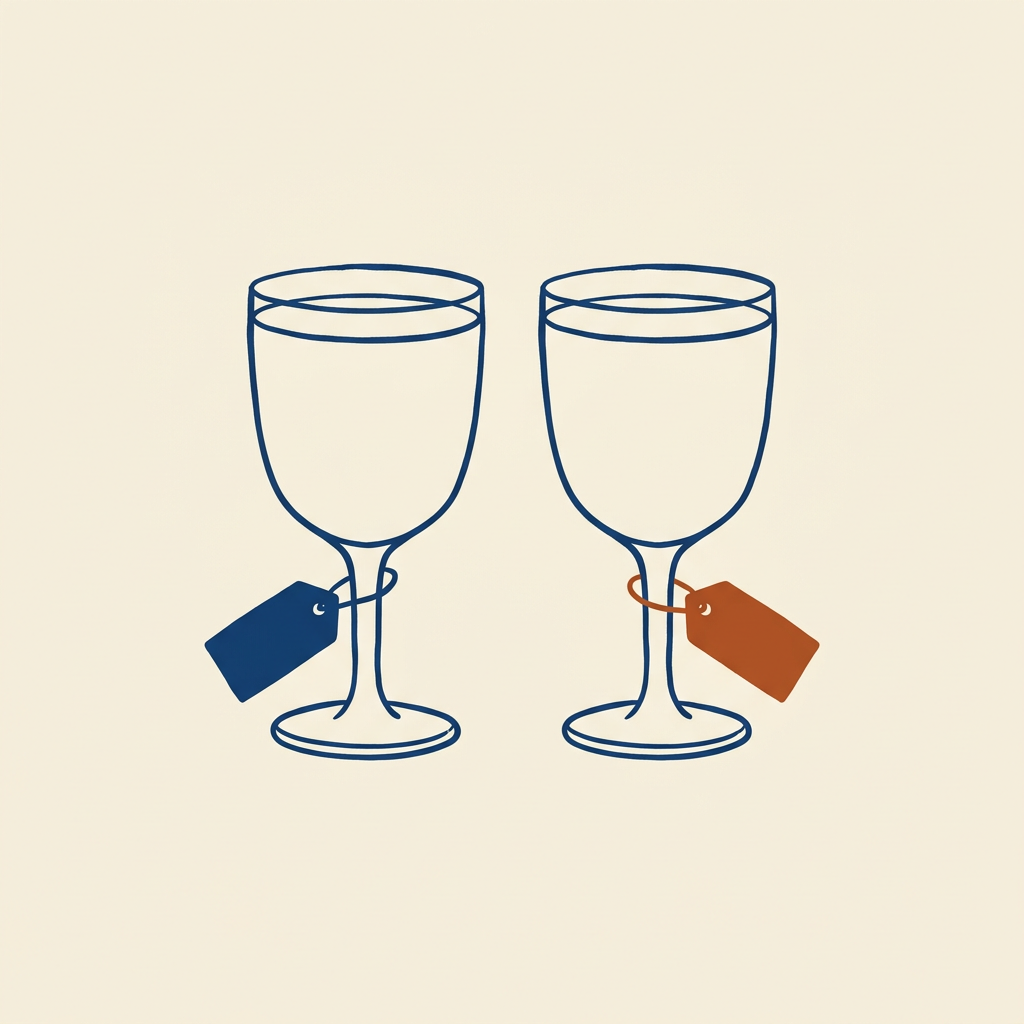
Labels rewrite hunger and effort
Perceived richness of food and expected boost from exercise change ghrelin, reward response, and output independent of actual calories or dose.
Indulgent label
Same shake, larger ghrelin drop, stronger satiety signal
Sensible label
Same shake, weaker hormonal satiety response
Robson shows the same predictive machinery governing metabolism and muscle. Identical milkshakes produced a larger ghrelin drop—the hunger hormone—when labeled as indulgent high-calorie treats than when labeled as sensible low-calorie options, in Crum’s Yale work.
Pricing and language matter too: expensive-labeled wine lights up greater reward response; identical meals taste better under elaborate menu descriptions. On the effort side, cyclists told they had taken a performance enhancer (actually placebo) produced higher output, and expectation of a caffeine boost accounted for a sizable share of the gain beyond the drug’s chemistry.
He is clear about limits. Belief will not build muscle from nothing or replace nutrition. Effects are modest, clearer in labs than daily life, and already exploited by premium packaging and health claims. Within the real envelope, though, the label helps set where hunger and performance land.
In practice: Milkshakes labeled indulgent suppressed ghrelin more than the exact same shakes labeled low-calorie; cyclists on placebo “enhancers” still raised measurable output.
5
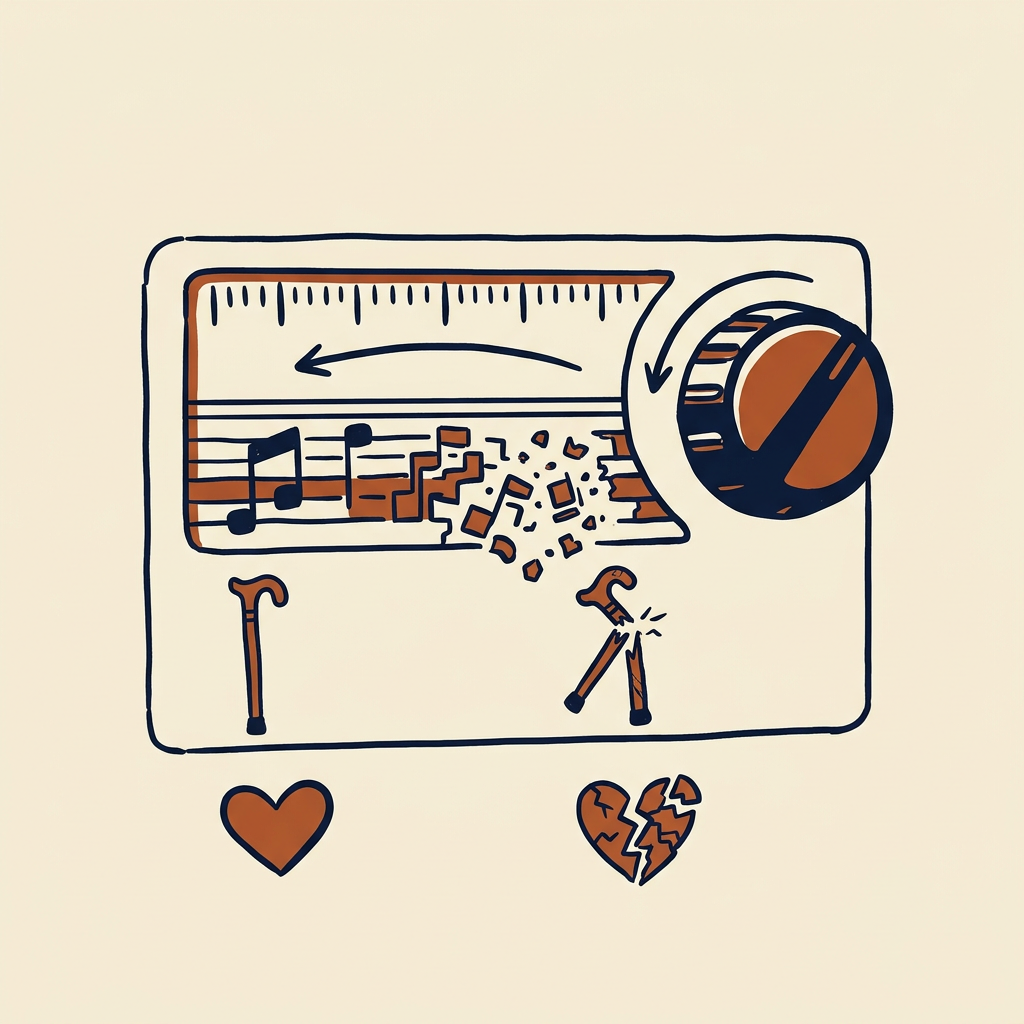
Aging stereotypes speed decline
Cultural beliefs that aging equals inevitable decline act as chronic nocebos and are linked to shorter life and slower recovery.
7.5 years
longer life linked to positive aging beliefs
Robson turns to Ellen Langer’s 1981 counterclockwise study: elderly men lived a week in a 1959-styled setting, surrounded by period objects and told to inhabit their younger selves. Compared with controls they improved in grip strength, posture, vision, and cognitive scores.
Becca Levy’s Yale longitudinal research found that people with more positive aging beliefs measured decades earlier lived on average 7.5 years longer and recovered better from setbacks such as hip fractures. Expecting decline orients the nervous system and behavior toward decline—less activity, higher stress reactivity, lower medical help-seeking.
Robson separates correlation from proven cause; healthier people may simply hold rosier views. Yet intervention studies and replications push toward a causal reading. Resisting jokes about frailty and forgetfulness, and treating age-related change as adaptable, sits beside diet and exercise as a longevity lever rather than beneath them.
In practice: Levy’s cohorts showed that more positive aging beliefs earlier in life predicted 7.5 additional years of lifespan and better hip-fracture recovery.
6
Pain yields; disease has limits
Expectation can reduce pain perception and modestly affect inflammation, yet it cannot substitute for medicine in structural or pathogen-driven disease.
What expectation can do
Lower perceived pain, ease migraine symptoms, modestly shift inflammation
What it cannot do
Shrink tumors, clear infections, replace structural medical care
Conditioned responses matter: after repeated pairing with real painkillers, inert treatments still cut pain and reduce activity in regions such as the anterior cingulate cortex. Ted Kaptchuk’s work showed placebo acupuncture relieving migraine nearly as well as real acupuncture, suggesting ritual and expectation carry much of the weight in some therapies.
Robson installs a firm caveat here. Placebo responses ease subjective and stress-mediated symptoms; they do not shrink tumors or cure infections. Some patients who over-relied on mind-over-matter delayed needed treatment or felt guilt when illness progressed. Evidence is strongest for pain and stress-linked complaints and weakest for structural disease.
This chapter keeps the book’s central claim from collapsing into unfalsifiable optimism. Expectation is a real physiological lever, not a magic override of biology.
In practice: Kaptchuk’s studies found placebo acupuncture eased migraine symptoms nearly as much as real acupuncture, while Robson notes placebos still fail against tumors and infections.

7
Rewrite the standing scripts
Specific, credible new frames for identity and effort compound into lasting change better than vague affirmations or one-shot pep talks.
In the closing synthesis Robson gathers stress, sleep, food, and aging into self-narrative. Growth-mindset interventions show real classroom effects in earlier work, yet the 2019 National Study of Learning Mindsets found only modest, uneven benefits—proof that frames must be concrete and tied to strategy, not slogans.
Identity-based habit change—becoming a certain kind of person rather than chasing an isolated goal—produces more persistent shifts inside the same predictive-brain framework. Inherited scripts about willpower, intelligence, or fated health bias daily choices in self-fulfilling directions.
Expectation effects compound. Someone who treats stress as fuel, bad nights as recoverable, and aging as adaptable makes different micro-choices; those choices then reinforce the belief. The stance he leaves readers with is experimental: treat expectations as editable inputs, test small reframes, and expect gradual rather than magical results.
In practice: The 2019 National Study of Learning Mindsets found growth-mindset gains were modest and unevenly distributed, strongest when paired with specific strategies rather than generic praise.
Key terms
- Expectation effect The claim that beliefs actively change physiology, performance, and perception rather than just describing them
- Prediction machine Robson’s framing of the nervous system as constantly forecasting and then adjusting hormones, immunity, and pain to match
- Open-label placebo An inert treatment patients know is inert that can still reduce symptoms through expectation alone
- Nocebo The mirror of placebo: warnings or negative beliefs that raise real side effects and harm
- Stress reappraisal Relabeling arousal as helpful fuel instead of danger so the body responds more like exercise than fear
- Orthosomnia Sleep anxiety created by obsessive tracking of wearable sleep scores
- Counterclockwise study Langer’s 1981 experiment housing older men in a 1959 world and measuring physical and cognitive gains
- Identity-based habits Framing change as becoming a type of person rather than hitting an isolated goal so the new expectation sticks
What to do
- Before your next stressful meeting, say out loud that the tension is your body preparing to perform and notice whether focus shifts.
- Leave the sleep tracker unchecked first thing; rate how rested you feel without the number.
- When you catch a fixed line about age, willpower, or health, write one concrete counter-instance from your life and live from that baseline for a week.
- Label ordinary movement you already do as real exercise and track whether effort or recovery feelings change.
- Treat one age-related stereotype you hear this week as a nocebo suggestion and deliberately discard it.
Questions to think with
- Which of your daily physical states—stress buzz, morning grogginess, hunger—do you currently label as pure threat, and what happens if you try a fuel or recovery frame for a day?
- Where has a warning, a tracker number, or a cultural aging joke already acted as a nocebo in your own routine?
- If expectation compounds through small choices, which single script about willpower or health would be most useful to rewrite first?
- How do you keep the real leverage of belief without sliding into guilt when serious illness does not yield to mindset alone?
- Which lab-style reframe from the book feels credible enough to test against your own experience this week?
The other side
The book’s sharpest weakness is that it often outruns its evidence: landmark studies such as the housekeepers experiment (around 84 people) and the counterclockwise aging week are small, single-site, and not replicated at the scale expected after psychology’s replication crisis, so dramatic headlines travel farther than fragile effect sizes and thin long-term data.
Who it's for
Readers who feel chronically stressed or exhausted, professionals curious about placebo and self-fulfilling belief, and anyone managing ordinary chronic pain, aging anxiety, or performance pressure who wants evidence-based reframing tools rather than slogans—especially those willing to read the caveats on severe disease and small studies.