




Worthiness comes first — then you can actually live
Stop performing enoughness and start practicing it imperfectly on purpose.
IJR · Oct 18, 2026 · 13 min read
In 60 seconds
- Most suffering comes from living as if love and belonging must be earned before they can be felt.
- Wholehearted people treat 'I am enough' as the precondition for life, not the prize for succeeding at it.
- Shame — the fear that the real you is unworthy of connection — drives perfectionism, numbing, and people-pleasing; speaking it aloud to someone trustworthy shrinks it.
- Ten practices trade perfectionism for self-compassion, scarcity for gratitude, exhaustion-as-status for rest and play, and approval-seeking for authenticity.
- The evidence is interview-based grounded theory, so the guideposts work best as shared vocabulary for emotional patterns, not a proven clinical protocol.
The big idea
Brown argues that anxiety, overwork, and self-criticism stem from treating worthiness as something to earn rather than assume. Wholehearted living means engaging with life from already-enough, built through daily practices of courage, compassion, and connection that strip shame of its power.
The book in brief
A parent tells a child 'you are enough just as you are' while privately believing the opposite about themselves. Children absorb the modeling, not the words. That gap is where the book begins.
Most people live in if-only mode: if the weight came off, the promotion landed, or the facade held, then worthiness would finally arrive. Interviews over six years turned up a different pattern. Some people started from 'I am enough' and met life from that ground. Brown calls them Wholehearted and treats the stance as buildable practice, not lucky personality. Behavior change without that underlying belief stays brittle and temporary.
The force working against it is shame — the specific fear of disconnection. Shame says I am bad; guilt says I did something bad. One motivates repair. The other motivates hiding, aggression, people-pleasing, or perfectionism. Shame resilience — recognize it, name the trigger, reach out, speak it — is the base every later practice rests on. Skip it and the guideposts fail in isolation.
The sequence moves outward from that base. Authenticity means letting people see the real version even when approval is on the line. Self-compassion dismantles perfectionism, a shield against judgment rather than a path to excellence. Resilience replaces numbing — overwork, overeating, endless scrolling — because numbing does not block pain alone; it flattens joy too. Gratitude practice anchors good moments against scarcity culture and against rehearsing disaster in the middle of happiness.
Creativity and intuition ask for action before full certainty and expression without ranking yourself on everyone else's scale. Play and rest push back on exhaustion worn as a badge of importance. Meaningful work means using gifts you actually have rather than chasing the career you were supposed to want. The last release is cool and constant control — room for laughter, song, and unselfconscious dance.
The arc lands on one plain shift: stop performing the appearance of enoughness and start practicing the real thing, imperfectly, on purpose.
Context
Drawing on a decade of qualitative research into shame and connection, the book mattered because it moved shame research out of academic journals and into mainstream conversation about self-worth.
The key ideas

1
Worthiness before proof
Worthiness is the precondition for engaging with life fully, not the reward for doing it well.
If-only living
Prove worth first, then allow love, belonging, and joy
Wholehearted living
Start from 'I am enough,' then engage with life fully
Most of us reverse the order. We treat love, belonging, and joy as prizes that arrive only after we lose the weight, land the title, or finally keep it together. That is if-only thinking, and it keeps worthiness forever one achievement away.
Interviews with hundreds of people over six years turned up a consistent counter-pattern. A distinct group approached life already believing 'I am enough,' before any external proof. Brown calls them Wholehearted — not because their lives were easier, but because worthiness was the starting ground, not the finish line.
This is not a personality some people win at birth. It is a set of daily practices anyone can build. Change the surface habits while leaving the underlying belief untouched and the new behavior stays temporary and brittle.
The rest of the book therefore ignores checklists of better habits and focuses on the internal practices that make lasting change possible.
In practice: A parent tells a child 'you are enough just as you are' while privately believing the opposite about themselves; the child absorbs the modeling, not the speech.

2
Shame is the real driver
Shame is the fear of disconnection that says 'I am bad,' and it loses power the moment it is spoken to someone trustworthy.
Before any practice can stick, the mechanism working against Wholeheartedness needs a precise name. Shame is not ordinary insecurity. It is the fear that if people saw the real us, we would be unworthy of connection.
The distinction from guilt matters. Guilt says I did something bad and often pushes repair. Shame says I am bad and pushes hiding, people-pleasing, aggression, or perfectionism, because the self — not the act — feels like the problem.
Shame is universal and usually unspeakable. The less it is talked about, the more power it holds; the more it is named, the more it shrinks. Shame resilience is the capacity to notice it when it hits, understand the trigger, reach out to someone trustworthy, and speak rather than white-knuckle alone.
Every guidepost that follows is essentially shame resilience applied to one corner of life. Skip this foundation and favorite chapters stop working.
In practice: A working mother feels shame both for working too much and for not working enough; naming that no-win trap out loud to a trusted friend defuses it faster than solitary willpower.

3
Authenticity costs something
Authenticity is a repeated choice to be seen as you are, and it regularly costs relationships and short-term comfort.
Approval path
Curated self, short-term peace, growing inner gap
Authenticity path
Real self visible, some people leave, inner-outer alignment
Authenticity is not a fixed trait. It is a daily decision to let people see who you actually are rather than the curated, approval-seeking version that keeps the peace.
The cost is real. Some people will not like the unedited version. Pretending was, in a narrow sense, working. The trade is a different kind of peace — alignment between inner and outer self — for the brittle calm of constant performance.
Unused creativity does not sit quietly in storage. It converts into judgment of others, grief, or numbing, because expression is not optional for humans; only the outlet is.
Seeking approval is a shame-avoidance strategy. Authenticity therefore requires tolerating possible judgment, which only becomes sustainable once worthiness no longer depends on that judgment.
In practice: An employee disagrees with a decision but stays silent to avoid seeming difficult; the short-term safety creates a long-term psychological burden as the gap between belief and speech widens.

4
Perfectionism is a shield
Perfectionism is not healthy striving; it is a defensive system that outsources self-worth to an audience that never fully approves.
Perfectionism
If I do it flawlessly, I avoid shame and blame
Self-compassion
Self-kindness, common humanity, mindfulness of the feeling
In professional settings perfectionism often gets praised as high standards. Brown draws a hard line under that praise. Perfectionism is the belief that if everything is done flawlessly, shame, judgment, and blame can be avoided.
The structure guarantees failure. Self-worth is handed to watchers who never stop watching and never fully sign off. The permanent gap between effort and satisfaction gets read as personal defect rather than proof the strategy itself is broken.
The alternative is self-compassion: self-kindness instead of self-judgment, common humanity instead of isolation, and mindfulness instead of drowning in the painful feeling. An imperfect draft can exist without that imperfection defining the person's worth.
Perfectionism is often exactly what authenticity gets traded for — a polished presentation feels safer than a messy honest one.
In practice: A talented professional cannot finish a project because the first draft fails an imagined standard of flawlessness; the paralysis is fear that an imperfect draft exposes shameful incompetence, not laziness.
5
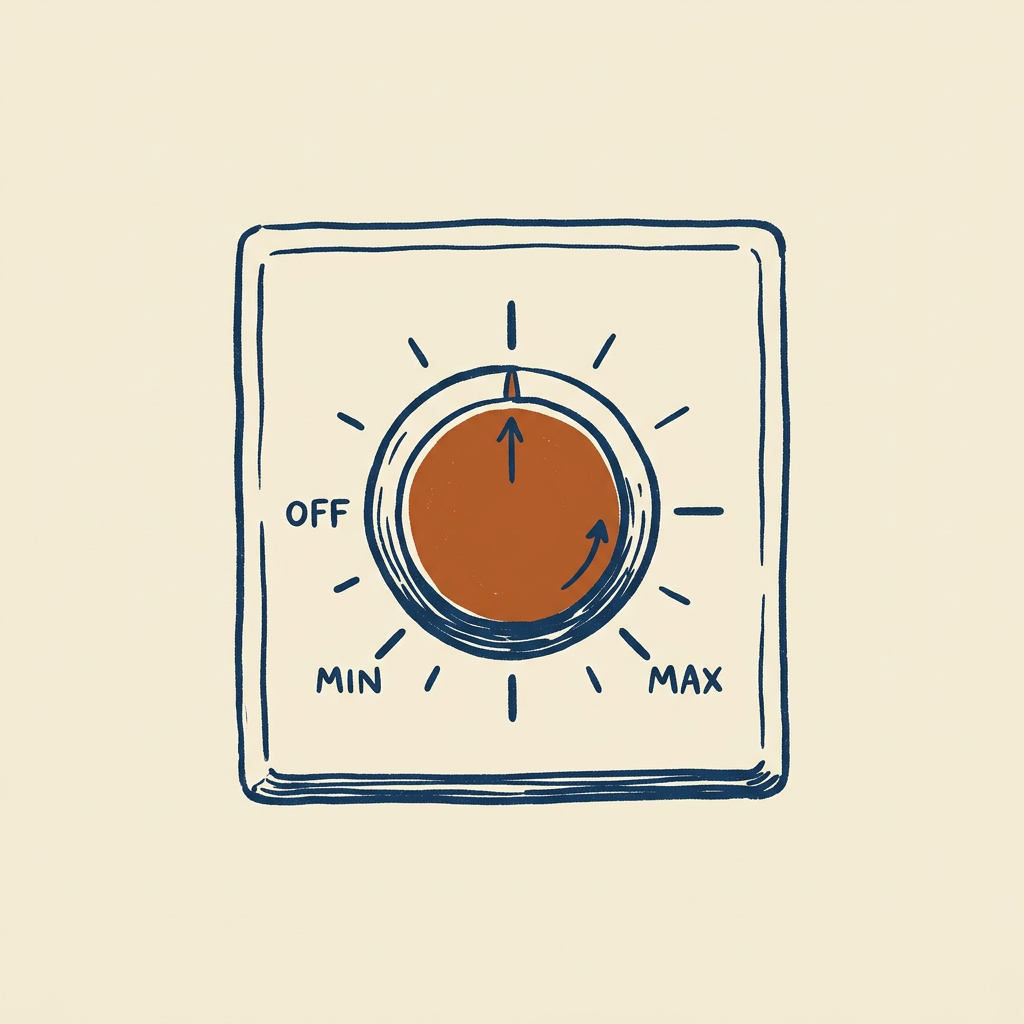
Numbing flattens joy too
Emotional numbing cannot block pain without also blocking joy, gratitude, and happiness.
What people expect
Numbing blocks only pain, fear, and disappointment
What actually happens
Joy, gratitude, and happiness dull on the same channel
When shame and perfectionism run for years, people reach for numbing tools: overwork, overeating, overspending, constant busyness, substances, endless scrolling. The goal is to avoid fear, grief, or disappointment.
The counterintuitive finding is that numbing is not selective. The nervous system does not keep separate channels. Dull the hard feelings and the bright ones dim at the same time.
Resilience here is a buildable skill set, not toughness or stoicism. It includes hope (a goal, a pathway, and the belief you can pursue it), critical awareness of unrealistic cultural messages, reaching out for support, and releasing the numbing tools themselves.
Foreboding joy — rehearsing disaster in a happy moment to avoid being blindsided later — is one common after-effect. The immediate counter is gratitude named in the moment itself.
In practice: Someone numbs a bad day with three hours of television to avoid anxiety about a hard conversation and then cannot register something good that happens the same evening.

6
Gratitude makes joy possible
Joy is not a passive reward for good fortune; it is sustained by deliberate gratitude practice, especially inside a culture of scarcity.
Many readers live inside a culture of scarcity: the belief there is never enough time, money, sleep, recognition, or safety, and that everyone else is handling it better. Media and comparison amplify the feeling; it is not a natural human default.
The opposite is not having more. It is Wholehearted enough-ness, cultivated through gratitude treated as a practice — a daily list, a ritual, a conscious pause — rather than a fleeting mood.
Interview patterns showed that every Wholehearted person who reported deep, sustained joy also kept an active gratitude practice. The order most people assume runs the other way.
Gratitude has to be built before hardship hits. It is not a coping tool pulled out only after loss. Wholehearted people still feel real fear and grief; they simply refuse to let scarcity thinking rob the good moments in advance.
In practice: A parent watching a sleeping child consciously names gratitude for the moment itself instead of immediately sliding into fear that something could happen to them.

7
Creativity is not optional
Creative expression is a basic human need; suppressing it through comparison turns into resentment, judgment, or low-grade depression.
Talent myth
Creativity is a gift some have and others lack
Wholehearted claim
Expression is a basic need; only the outlet is optional
Two linked releases sit here. First, intuition and faith mean tolerating ambiguity — trusting a felt direction even without complete data. Both creativity and intuition require acting before the action can be fully justified on a spreadsheet.
Second, comparison is a different threat from perfectionism. It ranks you against others on one narrow scale: artistic skill, parenting style, career ladder. Visible platforms full of curated lives make the ranking constant.
Unexpressed creativity does not vanish. It festers into resentment of other people's creative choices, harsh judgment, or a persistent dissatisfaction the person cannot name. Ordinary people who once sang, gardened, or wrote and stopped after a teacher or parent said it was not good enough carry exactly this residue.
The practical move is to separate the act of making from the question of whether it is good enough to show anyone. The psychological benefit lives in the act, not the applause.
In practice: Someone who used to sing, garden, or write quit after a childhood authority called the work not good enough and now carries a nameless low-grade dissatisfaction.

8
Exhaustion is not a virtue
Treating busyness and sleep deprivation as badges of honor actively undermines the resilience and creativity the earlier practices need.
Status story
Exhaustion and busyness prove importance and worth
Wholehearted counter
Play, sleep, and calm are requirements, not rewards
Play — any activity done for its own sake with no goal — and actual rest, including sleep, get treated by high-achievers as luxuries earned only after every obligation is met. For most people that day never comes.
The belief that overwork signals importance is a cultural distortion, not a neutral fact of modern life. Chronic busyness also functions as a socially approved numbing strategy: it avoids the same vulnerable feelings that other numbing tools target, only dressed up as dedication.
Calm is different from looking composed. A person can appear controlled on the outside while running on constant internal anxiety and mistake that tension for productivity.
Fixing the pattern means resisting a cultural reward system, not just downloading a better time-management app. Workplaces and social approval keep paying the old status currency.
In practice: An executive takes pride in never taking a full vacation and treats sleep as optional, calling it dedication while relationships and health quietly deteriorate.

9
Work that fits the actual gifts
Meaningful work is defined by whether it uses authentic gifts, not by prestige, income, or matching what you were supposed to become.
Supposed-to work
Prestige, parental script, or status; dread of being found out
Meaningful work
Uses gifts you actually have; satisfaction without the fraud feeling
The final gap is between doing and being: a career chosen for family pressure, financial anxiety, or social prestige versus one that actually engages the abilities a person possesses.
This is not detached 'follow your passion' advice. Not everyone can freely choose their job. Meaningful work can also be found in how someone approaches an unchosen role, not only in which role they hold.
Participants with the most satisfaction were not always in glamorous careers. They described work that called on abilities they really had, versus a low-grade dread of being found out as a fraud in a status role.
Letting go of cool and constant control belongs here too — room for laughter, song, and dance. A life optimized only for looking composed produces the same brittle, joyless result that runs through every earlier guidepost.
In practice: Someone in a high-prestige role feels persistent dread of being 'found out' as a fraud because the job was chosen mainly for status rather than actual gifts.
Key terms
- Wholehearted living Engaging with life from the belief you are already enough, built through daily practices rather than earned by achievement
- If-only thinking The habit of postponing worthiness until after the next accomplishment, transformation, or perfect performance
- Shame The fear of disconnection that says 'I am bad,' distinct from guilt which says 'I did something bad'
- Shame resilience The capacity to notice shame, name its trigger, reach out to someone trustworthy, and speak it instead of hiding
- Perfectionism A defensive belief that flawless performance can protect you from shame, judgment, and blame
- Foreboding joy Rehearsing disaster in a happy moment to avoid being blindsided by pain later
- Culture of scarcity The manufactured atmosphere that there is never enough time, money, sleep, recognition, or safety
- Numbing Any habitual escape — overwork, scrolling, overeating, substances — that dulls hard feelings and bright ones together
What to do
- Replace one numbing habit after a hard day — scrolling, overworking, or overeating — by naming the actual feeling to another person once this Monday.
- Write a two-minute end-of-day gratitude note that names one specific moment, not a general mood, before sleep.
- In one meeting or conversation this week, say the true, slightly uncomfortable thing you would normally soften, then notice what actually happens.
- Block one hour this week for an activity done purely for enjoyment with no output attached, and protect it like a client meeting.
Questions to think with
- Where in your week do you still treat worthiness as a prize that arrives after the next achievement?
- Which numbing habit is dressed up as virtue or productivity in your life, and what feeling is it actually avoiding?
- What creative outlet did you abandon after someone said it was not good enough, and what low-grade dissatisfaction might be linked to that silence?
- When joy shows up, do you stay with it or immediately rehearse what could go wrong?
- Which relationships would change if you stopped managing what people think and let them see the unedited version?
The other side
The evidence is qualitative and self-selected: guideposts emerge from grounded-theory coding of interviews, not controlled experiments that could prove causation. The sample skewed educated, English-speaking, and American, with women overrepresented, so advice like 'let go of what people think' or 'choose rest' assumes latitude many readers lack. A single parent working two jobs often cannot simply drop busyness. The framework also risks circularity — Wholehearted people are defined by the practices derived from studying people already labeled Wholehearted — and the prescriptive chapters still land as individual behavior change that can sideline structural conditions like poverty or discrimination. Treat it as useful descriptive language, not a validated clinical intervention.
Who it's for
High-achievers who suspect their accomplishments are a shield against feeling inadequate, people recovering from burnout who have confused exhaustion with virtue, and parents or managers who want to model self-acceptance instead of performance.