




Dopamine makes you chase more, not savor what you have
Restless achievers, cooling couples, and anyone puzzled by addiction get one chemical story for why wins stop feeling like wins.
IJR · Oct 30, 2026 · 12 min read
In 60 seconds
- Lieberman and Long argue dopamine produces desire and pursuit, not enjoyment of what arrives.
- After a goal is met, they say the brain hands off to serotonin, oxytocin, and endorphins for real contentment.
- They place early romantic intensity at roughly twelve to eighteen months before attachment chemicals take over.
- Addiction, on their account, is a hijacked wanting circuit that keeps craving after pleasure collapses.
- High dopaminergic drive, they claim, fuels ambition and creative work while often blocking rest in success.
- Their fix is deliberate present-tense practice so achievement can be felt instead of instantly discounted.
The big idea
The authors claim human behavior is a running negotiation between a future-facing dopamine system that rewards pursuit and present-tense chemicals that produce actual contentment. Let the chase system dominate, they argue, and you get accomplishment without satisfaction.
The book in brief
The authors open on a hard reframing. Dopamine is an anticipation signal, not a pleasure juice. They point to rats that will press a lever for stimulation of dopamine pathways until they collapse, never full, because the circuit pays for seeking. In people, they say the spike is highest just before a reward, when the outcome is still uncertain—the gambler at the pull, not the payout. A design that helped when food and mates were scarce becomes a chronic forward lean in abundance.
They then split experience in two. Extrapersonal space is the distant, hypothetical, not-yet-owned domain dopamine runs. Peripersonal space is what sits within reach, handled by here-and-now chemicals. Chocolate only imagined feels charged; chocolate on the plate goes ordinary once it crosses that border. New love lives in projection and uncertainty; long attachment lives in touch and familiarity. Same partner, chemically different experiences.
The middle chapters run that handoff through love, addiction, and achievement. Early passion, they argue, hits near-intoxication levels, then fades as partners become known. Drugs and compulsive behaviors flood the wanting circuit and blunt it through receptor loss, so craving outlives enjoyment. Creative and entrepreneurial drive is future-planning circuitry running hot—with only modest, correlational genetic links they refuse to treat as destiny—and it can cost present peace and strain bonds built on presence.
Abstract thought itself, they add, uses the same engine as craving, which is why they connect high creative achievement with elevated mood-disorder rates and place controlled brilliance and unconstrained delusion on one intensity spectrum. Politics gets the lens too: openness and future possibility versus tradition and concrete order, framed as a societal division of labor rather than a moral scorecard, though the supporting work is thinner and more correlational.
They close by refusing another-goal as medicine. Because the chase system only pays for pursuit, stacking targets will not buy lasting ease. Self-knowledge about which system is running the day, plus deliberate ungoalful presence—touch, unhurried meals, gratitude without a next target—is how they say achievement finally gets felt. Neither system should rule alone.
Context
Psychiatrist Daniel Z. Lieberman and writer Michael E. Long published the book in 2018 to bind addiction, ambition, romance, creativity, and political temperament to one distinction between wanting and having. The record here says little about launch reception beyond their claim that a single anticipation mechanism can organize phenomena psychology usually keeps apart.
The key ideas
1
Anticipation over arrival
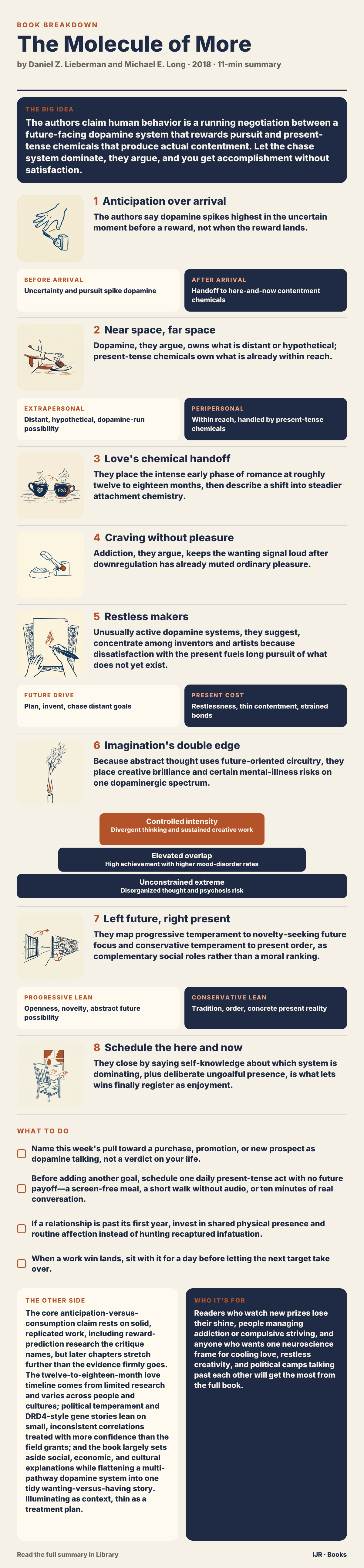
The authors say dopamine spikes highest in the uncertain moment before a reward, not when the reward lands.
Before arrival
Uncertainty and pursuit spike dopamine
After arrival
Handoff to here-and-now contentment chemicals
Lieberman and Long separate desire from enjoyment at the outset. Dopamine, on their account, pushes an organism toward resources it does not yet have. Its job is motion toward the missing thing, not lingering on the thing obtained.
They point to animal work in which rats with electrodes in dopamine pathways press for stimulation until exhaustion, because the signal rewards seeking rather than obtaining. In humans they describe the same timing: the surge comes when the outcome is still open. Planning the vacation outruns the trip; the chase for a job or purchase outruns the first week of having it.
Once the goal is secured, they argue, dopamine hands the experience to serotonin, oxytocin, and endorphins—the chemicals of present contentment—then starts scanning for the next unmet want. They call this dopaminergic loop a more machine: it never says enough, it only points forward. Satisfaction feels brief because the chemistry is built that way.
In practice: They note a gambler's dopamine peaks at the pull of the lever, not at the payout.
2
Near space, far space
Dopamine, they argue, owns what is distant or hypothetical; present-tense chemicals own what is already within reach.
Extrapersonal
Distant, hypothetical, dopamine-run possibility
Peripersonal
Within reach, handled by present-tense chemicals
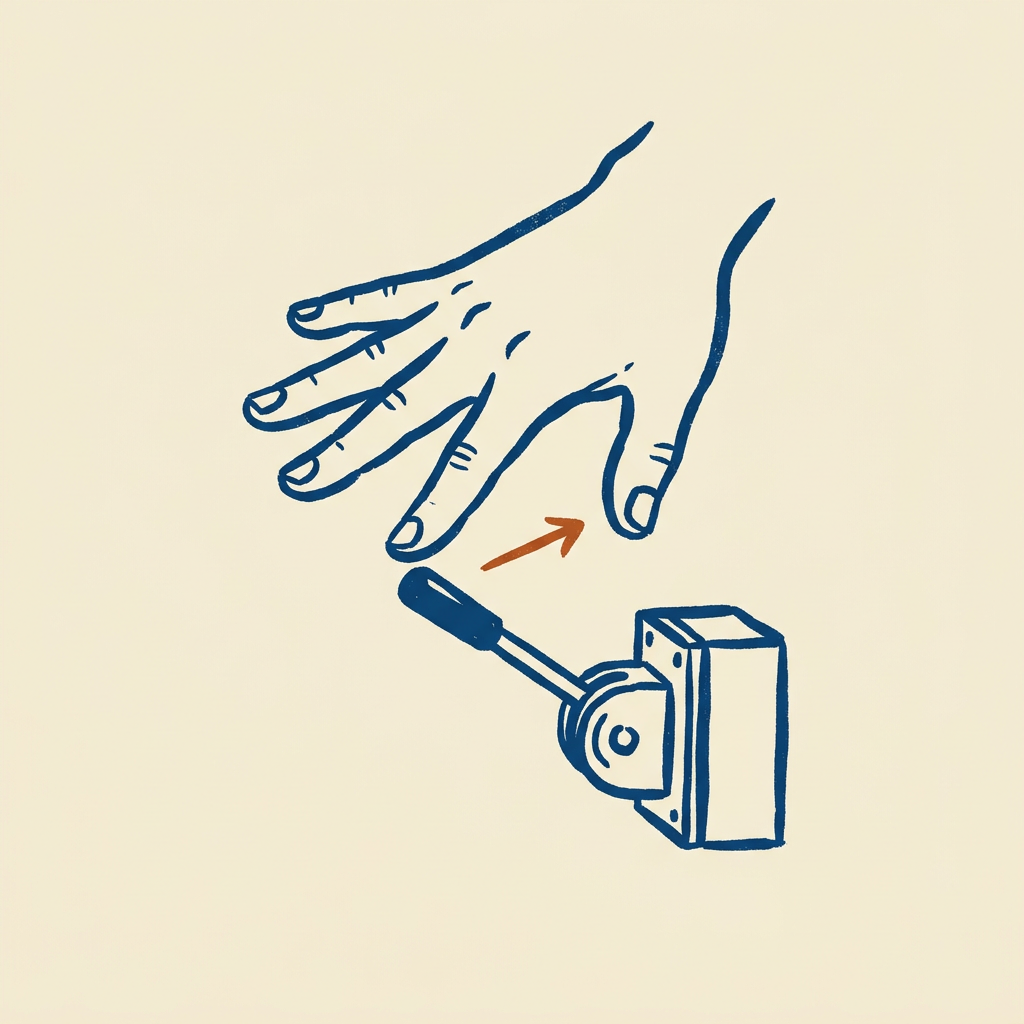
The authors map wanting onto geography inside the mind. Extrapersonal space holds whatever is far, uncertain, or not yet possessed—dopamine territory. Peripersonal space holds the tangible and immediate, run by here-and-now chemistry.
An object still only imagined lives in the first realm and feels charged. The same object once it sits under your hand has crossed into the second and registers as ordinary. Nothing magic changed in the object; the circuits did.
They run new love through the same border. A partner who is still mostly projection and possibility triggers intense dopamine. A known partner met through shared presence shifts toward oxytocin and vasopressin. Neither state is fake on their account; the experiences are chemically distinct. Organize a whole life around extrapersonal pursuit, they warn, and wins never convert into felt ease.
In practice: They contrast the thrill of chocolate only imagined with the ordinary fact of chocolate already on the plate.
3
Love's chemical handoff
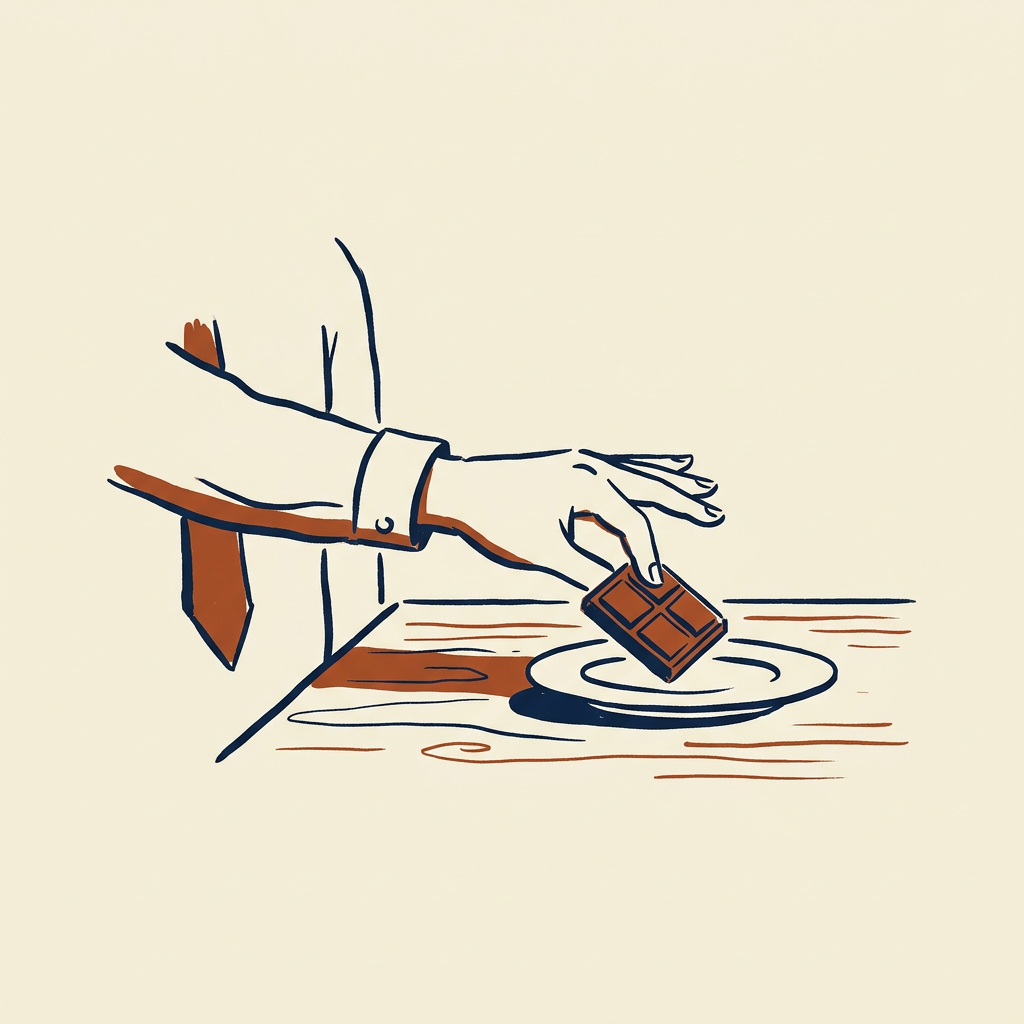
They place the intense early phase of romance at roughly twelve to eighteen months, then describe a shift into steadier attachment chemistry.
Early infatuation, in their framing, is largely a dopamine event. Uncertainty about whether the bond will hold, novelty, and anticipated intimacy drive the system hard enough that they compare it with drug intoxication—hence lost appetite, insomnia, and obsessive thinking that can look like mania.
Research they cite suggests that blaze typically lasts twelve to eighteen months, about the time partners become known enough that uncertainty, and therefore dopamine, falls. Couples who read the fade as the death of love, they argue, often leave hunting the next hit, a pattern they link to serial infatuation and some paths into divorce.
What follows is not emptiness on their account but a handoff. Oxytocin and vasopressin build attachment through touch, familiarity, and shared physical presence. The bond is quieter and less euphoric, and more durable. Knowing the timer, they say, lets people invest in companionate bonding on purpose instead of mourning lost fireworks.
In practice: They describe partners who exit when intensity falls and restart the dopamine cycle with someone new.
4
Craving without pleasure
Addiction, they argue, keeps the wanting signal loud after downregulation has already muted ordinary pleasure.
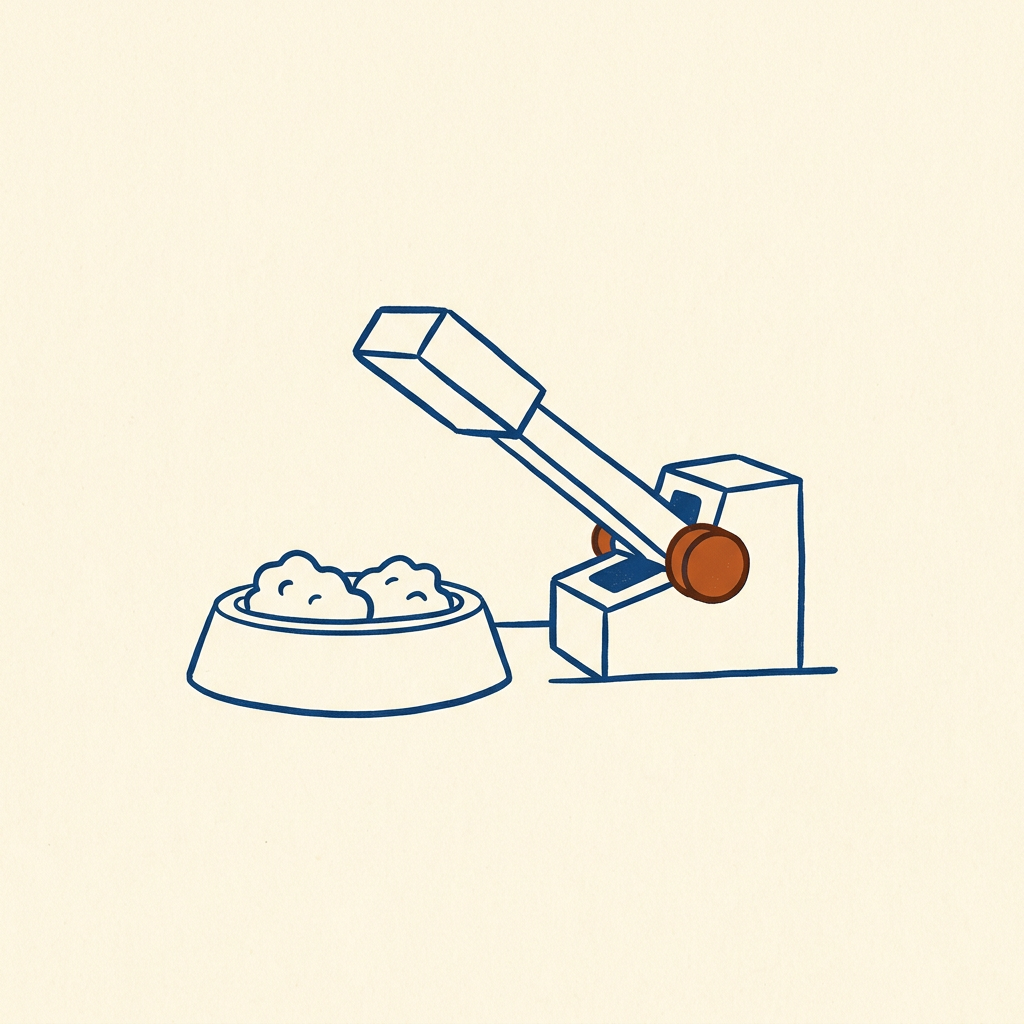
The puzzle they target is continued use after the high stops delivering. Cocaine and methamphetamine, they explain, flood dopamine directly. With repetition the brain cuts receptor density—downregulation—so more drug is needed for the same anticipatory surge.
Capacity for ordinary present-tense pleasure falls at the same time. The person is driven by craving while getting less from the drug and less from food, relationships, and the rest of life. They point to animal work in which rats given unlimited cocaine forgo food and water until death, a picture of the circuit overriding survival when overstimulated.
They extend the logic to gambling, pornography, and compulsive shopping: engineered, unpredictable novelty that hits anticipation harder than natural rewards. Addiction, on this reading, is a calibration failure in a system built for scarce resources meeting artificially abundant triggers—not simple moral weakness—and treatment means rebalancing wanting against here-and-now chemistry rather than willpower alone.
In practice: The authors point to rats with free cocaine access that ignore food and water to the point of death.
5
Restless makers
Unusually active dopamine systems, they suggest, concentrate among inventors and artists because dissatisfaction with the present fuels long pursuit of what does not yet exist.
Future drive
Plan, invent, chase distant goals
Present cost
Restlessness, thin contentment, strained bonds
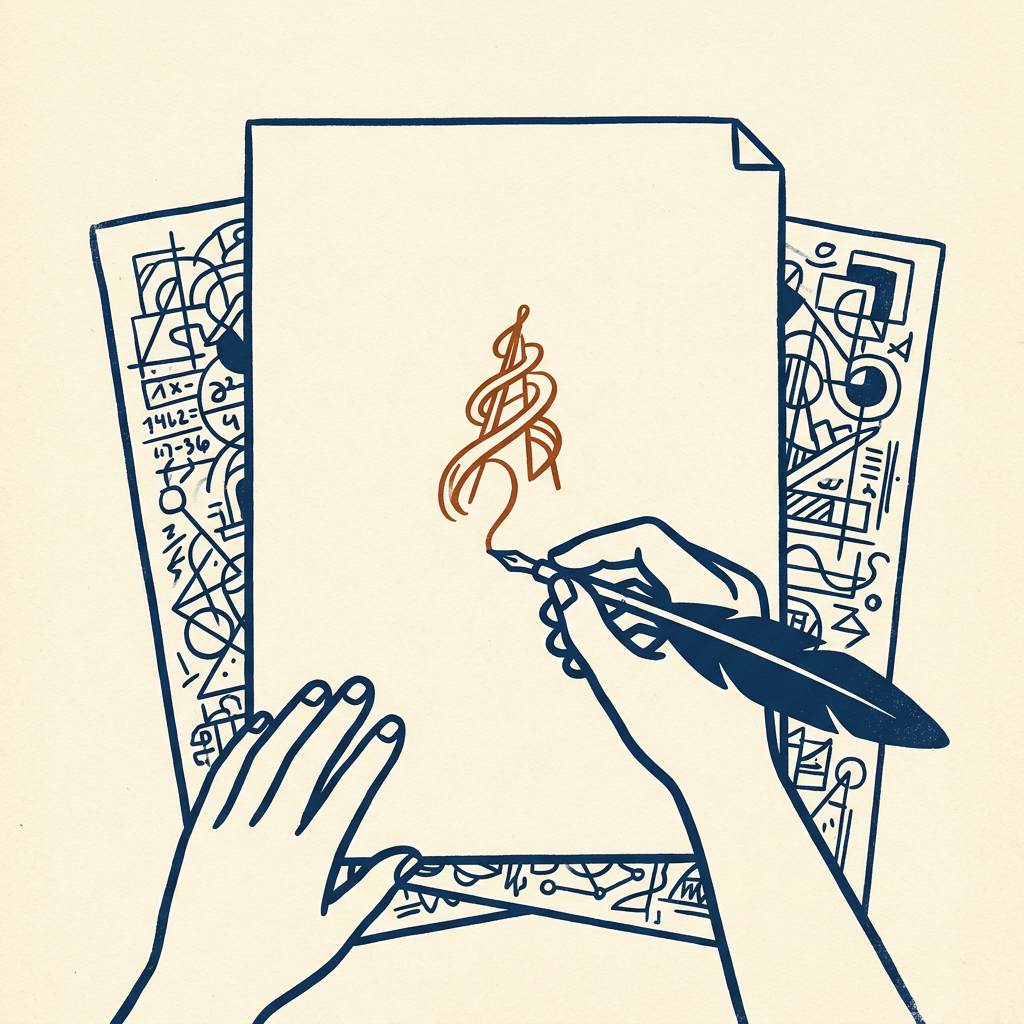
Achievement, in their telling, runs on the same future-facing gear. Dopamine is tied to the human capacity to imagine and plan a world that is not present—an edge over animals bound more tightly to now. People running that system hot show up disproportionately, they argue, among entrepreneurs, inventors, and obsessively working artists.
They discuss correlational work on receptor gene variants, notably a DRD4 variant linked with novelty-seeking, adventurousness, and in some populations migration history. They flag the effects as modest and not destiny.
The personal trade is sharp. The drive that builds distant goals can block rest inside success and strain partners oriented to present-tense life. Historically restless creative figures stand in their account as personalities organized around possibility at the expense of contentment. Ambition and satisfaction are not two settings on one dial; they can be two systems in real conflict inside one person.
In practice: They point to prolific, restless creative figures whose output came with a chronic inability to settle into what they had already made.
6
Imagination's double edge
Because abstract thought uses future-oriented circuitry, they place creative brilliance and certain mental-illness risks on one dopaminergic spectrum.
- Controlled intensityDivergent thinking and sustained creative work
- Elevated overlapHigh achievement with higher mood-disorder rates
- Unconstrained extremeDisorganized thought and psychosis risk
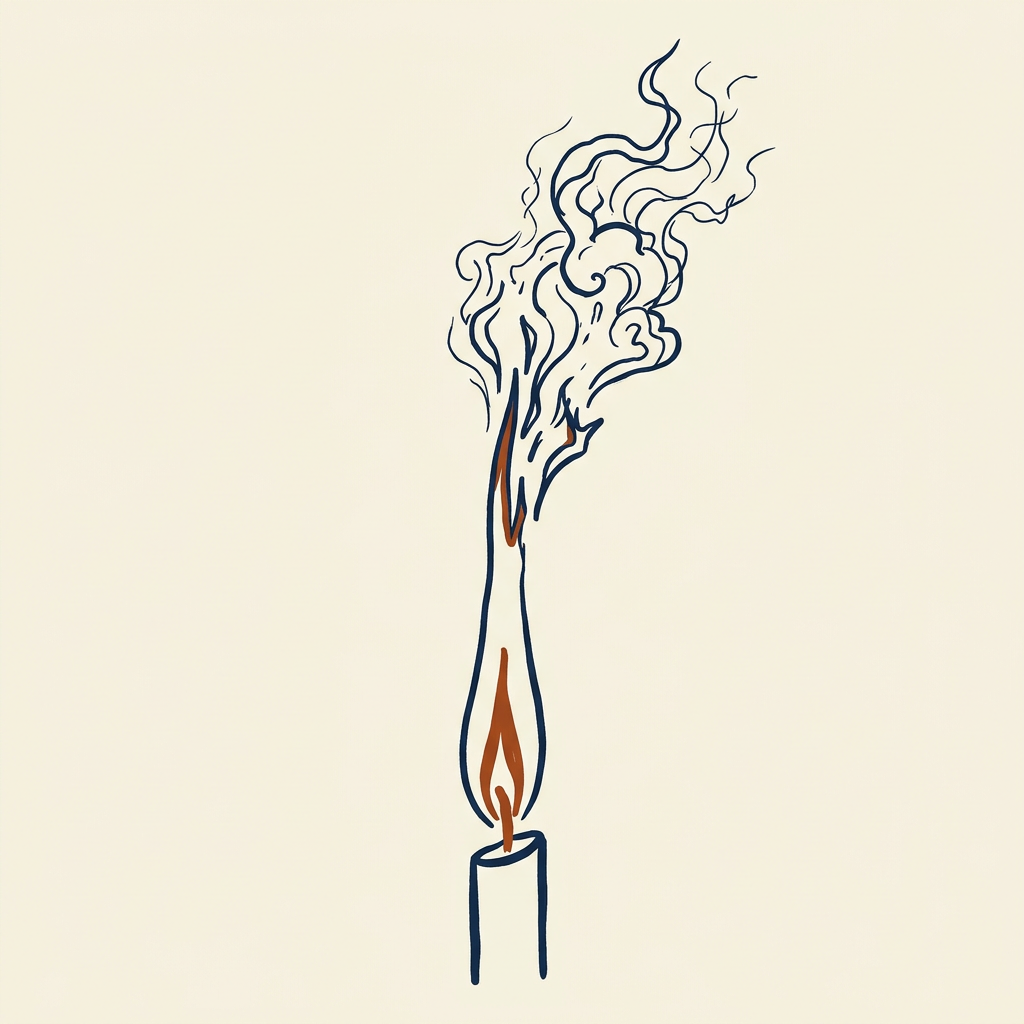
Dopamine, they argue, is not only about appetite. Imagining the absent, planning, and reasoning about hypotheticals draw on the same engine as craving. That claim lets them treat high mental performance and some forms of illness as overlapping rather than opposite.
They cite the statistical association between high creative achievement and elevated mood-disorder rates, especially bipolar patterns among writers, artists, and scientists, and attribute the overlap to shared dopaminergic mechanisms. Excess activity, they note, is implicated in psychosis and schizophrenia—the unconstrained association that looks like creative leap when held in check and delusion when not.
They sketch a spectrum: moderate intensity can look like genius; extremes can look like dysfunction. Work on DRD2 and related receptor genes, in their summary, shows associations with both divergent thinking and psychiatric risk. They stay candid that causal paths are incompletely understood and that population correlations do not prove a single pathway. The wider claim still stands in the book: dopamine is the general gear for engaging what is not present, whether a novel, a plan, or a false belief.
In practice: They link the same trait intensity that supports creative association, when unchecked, with delusional thought patterns.
7
Left future, right present
They map progressive temperament to novelty-seeking future focus and conservative temperament to present order, as complementary social roles rather than a moral ranking.
Progressive lean
Openness, novelty, abstract future possibility
Conservative lean
Tradition, order, concrete present reality
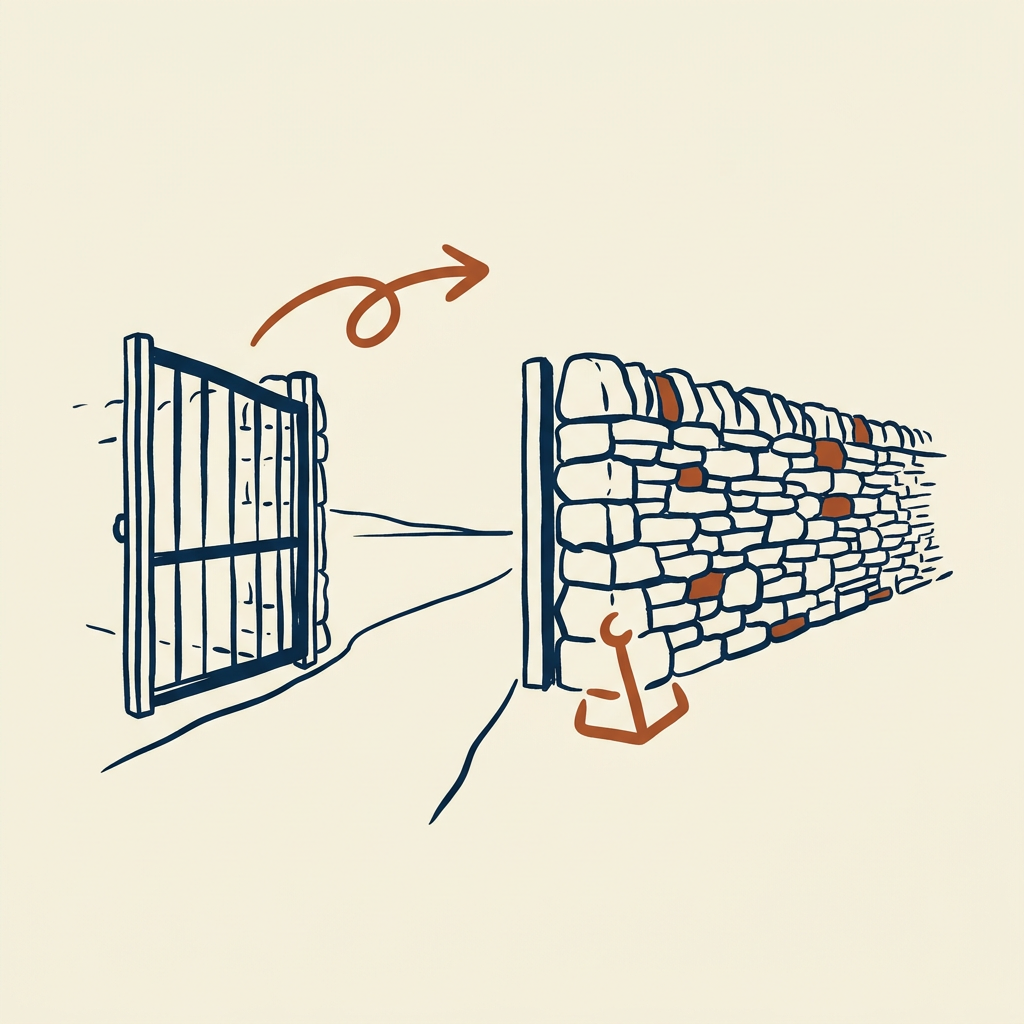
The authors carry the framework into political psychology. Progressivism, they argue, tracks higher openness to novelty, comfort with abstraction, and ease with future possibility—dopaminergic leanings. Conservatism, on their account, tracks valuing tradition, order, and concrete present reality—here-and-now processing.
They cite openness-to-experience research that correlates with liberal identification, plus neuroimaging hints of differences in structures such as the amygdala and anterior cingulate across political orientations. Effect sizes in this literature are modest, replication has been uneven, and the chapter is more speculative than their earlier physiology.
They refuse a winner. Dopaminergic thinkers, they say, push innovation and long-range plans; present-oriented thinkers guard stability, cohesion, and caution about untested risk. Lose either type and a society tips toward reckless churn or stagnant refusal to adapt. The same wanting-versus-having tension that shapes a single life, in their view, scales into collective disagreement.
In practice: They frame the two temperaments as a needed division of labor: disruption and planning on one side, preservation and caution on the other.

8
Schedule the here and now
They close by saying self-knowledge about which system is dominating, plus deliberate ungoalful presence, is what lets wins finally register as enjoyment.
Dissatisfaction despite objective success, they propose, is what overinvestment in the chase system looks like from inside. Pursuit gets paid; arrival does not keep paying. Another target stacked on the list therefore cannot, by itself, produce lasting ease.
Their corrective leaves ambition standing and adds conscious practice of present-tense chemistry: physical touch, sensory attention, gratitude for what is already held, and acts with no future payoff—a meal or conversation inhabited rather than used as planning time. People high in dopaminergic drive, they suggest, need this most and benefit from protecting unstructured present-focused time instead of turning rest into another task to optimize.
Neither system should rule alone. Pure here-and-now living, they warn, stalls growth; pure dopamine living never enjoys the harvest. The first practical move they offer is simply noticing which system is currently running the day, then rebalancing on purpose.
In practice: They urge sitting with a work win for a day before pivoting to the next target, and booking daily screen-free presence with no deliverable attached.
Key terms
- More machine The authors' name for dopamine's habit of always pointing forward and never saying enough
- Here-and-now chemicals Serotonin, oxytocin, and endorphins that, on their account, produce actual present contentment
- Extrapersonal space The distant, uncertain, not-yet-owned realm they say dopamine governs
- Peripersonal space The within-reach, tangible realm they assign to present-tense chemistry
- Downregulation The brain's reduction of dopamine receptor density after repeated overstimulation
- Companionate attachment The steadier bond they say oxytocin and vasopressin build through touch and familiarity
- Hedonic treadmill The repeating cycle in which each win briefly satisfies then yields a new want, framed here through dopamine mechanics
What to do
- Name this week's pull toward a purchase, promotion, or new prospect as dopamine talking, not a verdict on your life.
- Before adding another goal, schedule one daily present-tense act with no future payoff—a screen-free meal, a short walk without audio, or ten minutes of real conversation.
- If a relationship is past its first year, invest in shared physical presence and routine affection instead of hunting recaptured infatuation.
- When a work win lands, sit with it for a day before letting the next target take over.
Questions to think with
- Where in your week does anticipation feel better than arrival?
- Which system—chase or presence—usually wins when they conflict inside you?
- If early romantic intensity runs on a timer, what would investing in companionate bonding look like this month?
- Which of your ambitions would still be worth the restlessness they cost?
- What present-tense practice could you protect this week without turning it into another goal to optimize?
The other side
The core anticipation-versus-consumption claim rests on solid, replicated work, including reward-prediction research the critique names, but later chapters stretch further than the evidence firmly goes. The twelve-to-eighteen-month love timeline comes from limited research and varies across people and cultures; political temperament and DRD4-style gene stories lean on small, inconsistent correlations treated with more confidence than the field grants; and the book largely sets aside social, economic, and cultural explanations while flattening a multi-pathway dopamine system into one tidy wanting-versus-having story. Illuminating as context, thin as a treatment plan.
Who it's for
Readers who watch new prizes lose their shine, people managing addiction or compulsive striving, and anyone who wants one neuroscience frame for cooling love, restless creativity, and political camps talking past each other will get the most from the full book.