




World history's real center runs from Persia to China
Anyone who wants centuries of events recentered on one land corridor will see why Central Asia and the Middle East keep drawing great powers.
IJR · Oct 23, 2026 · 14 min read

In 60 seconds
- Frankopan argues the belt from the eastern Mediterranean through Persia and Central Asia to China, not Western Europe, held the wealth, populations, and innovation for most of the last two thousand years.
- Persian roads and administration came first; Buddhism, Nestorian Christianity, and Manichaeism spread mainly along caravan routes rather than by conquest alone.
- Islamic rule unified the corridor under one legal system, making Baghdad briefly the world's richest city and a scientific clearinghouse while fragmented Europe lagged.
- Mongol conquest, for all its slaughter, produced the Pax Mongolica that let merchants and technologies move from China to the Black Sea under predictable rules.
- The Black Death followed those same routes and helped tilt later advantage toward Europe; European ocean voyages began as attempts to bypass Islamic control of eastern trade.
- American silver and enslaved African labor financed Europe's rise, and Frankopan treats Chinese Belt and Road spending and Gulf wealth as a return to the older Eurasian center of gravity.
The big idea
Frankopan argues that the true engine room of world history has always been the lands from the eastern Mediterranean through Persia and Central Asia into China, not Western Europe. Europe's Atlantic dominance was a roughly two-century anomaly paid for by New World silver and enslaved labor, and weight is shifting back toward that historic corridor.
The book in brief
Frankopan starts from a classroom habit so old it feels neutral: history runs from Greece to Rome to the Renaissance to empire, with everything else as scenery. He flips the frame so the web of routes between the eastern Mediterranean and western China sits in the middle, because that is where money, people, learning, and exchange actually clustered for most of recorded history.
From there he moves through the powers that built and used that spine. Early Persian empires laid down long-distance roads and administrative tools later states only borrowed. Faiths traveled with merchants. Islamic conquest then did what no predecessor had managed, placing one political and legal umbrella over the whole corridor and unlocking an economic and intellectual boom while post-Roman Europe stayed a western fringe.
The Mongols supply his hardest case: extreme violence produced the most connected premodern trading world, and the plague that wrecked Eurasia rode the same infrastructure prosperity had used. Europe's turn to the oceans, in his telling, was a response to being locked out of that older system, not a spontaneous leap of superior ambition.
American silver and the Atlantic slave trade slowly funded the companies and navies that pulled gravity toward the Atlantic. He closes by reading the Great Game, oil concessions, Cold War coups and invasions, and China's Belt and Road as chapters of the same long contest over the same land bridge, treating recent Western primacy as the exception and the corridor's centrality as the rule.
Context
Peter Frankopan published this 2015 synthesis to reframe globalization as ancient rather than modern and to unsettle the standard Western classroom map that treats Europe as history's default center.
The key ideas
1
The map at the wrong angle
Centering world history on Western Europe produces a systematically wrong account of which regions actually drove civilization for most of recorded history.
Classroom map
Greece to Rome to medieval Europe to Renaissance to empire, with the rest as scenery
Frankopan's map
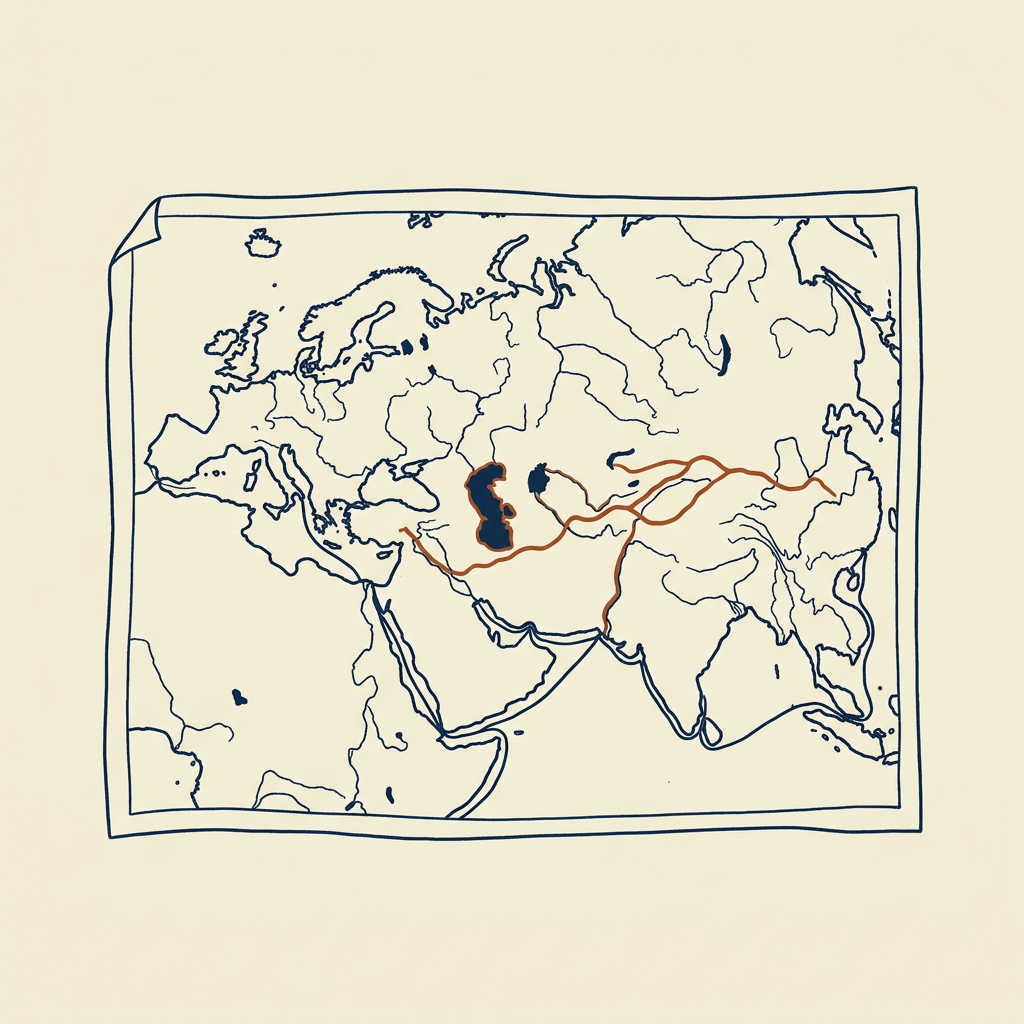
The belt from the eastern Mediterranean through Persia and Central Asia to China as the engine room
Frankopan names a habit so old it feels natural: history taught in the West runs from Greece to Rome to medieval Europe to the Renaissance to empire, as if the rest of the world were backdrop. He wants the belt between the eastern Mediterranean and western China treated as the center instead.
For most of the last two thousand years that belt, not Europe, held the wealth, the populations, the universities, and the routes that moved goods and ideas across continents. The label silk roads comes from the nineteenth-century German geographer Ferdinand von Richthofen; Frankopan uses it for a web carrying silk alongside slaves, spices, horses, ideas, and pathogens.
His method is comparative. At each period he asks where the money and the innovation actually were rather than assuming Europe. The opening move is not a newly dug-up fact but a change in what counts as the main story and what counts as periphery.
In practice: In antiquity he places the wealth that funded philosophy, architecture, and war in Persia and Central Asian cities rather than in Athens or Rome.
2
Persia's first long roads
The Persian Empire, not Athens or Rome, built the first infrastructure of long-distance connection that later empires only extended.
1,600 miles
Royal Road from Sardis to Susa
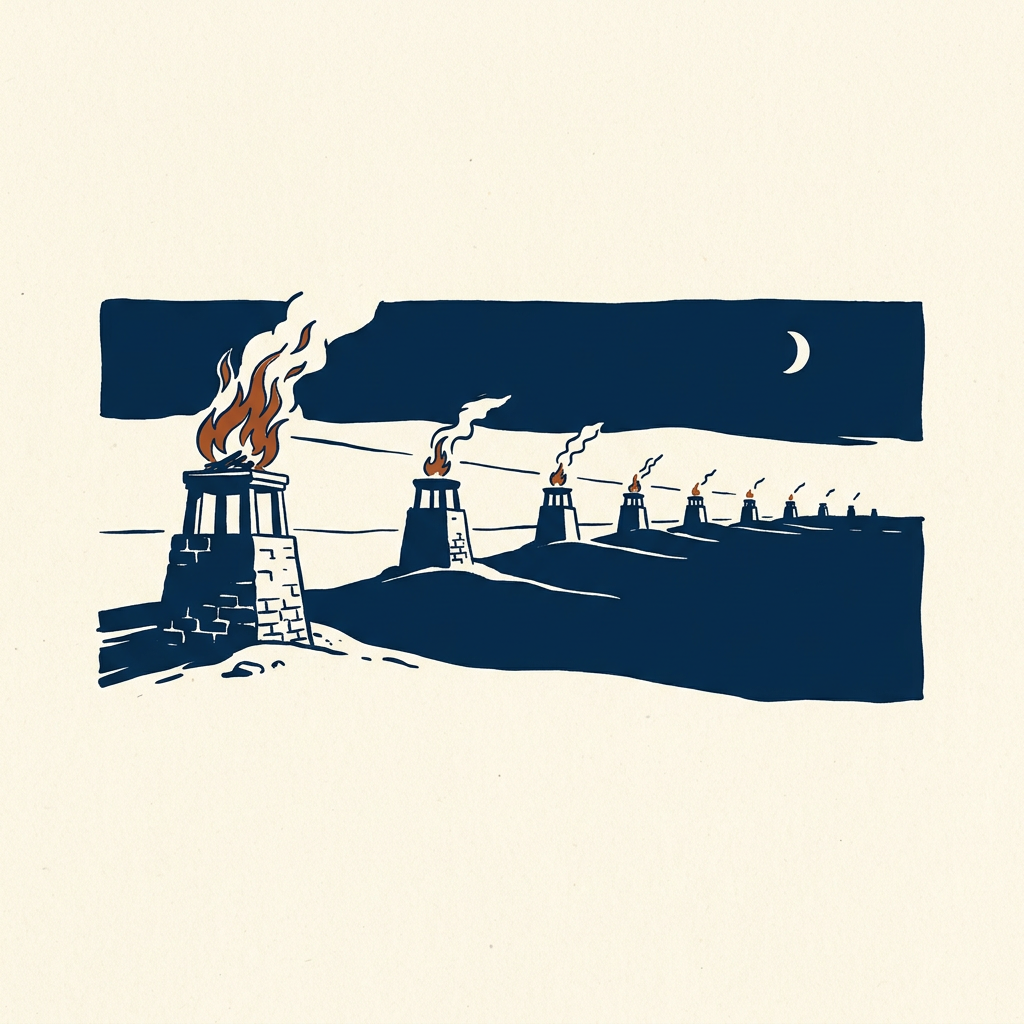
Long before Rome ruled the Mediterranean, the Achaemenid Persian Empire under Cyrus the Great and his successors built the Royal Road, a chain of way-stations stretching over 1,600 miles from Sardis to Susa. Messages and goods moved at a pace unmatched until the telegraph.
Persia controlled the overland links from the Mediterranean world to India and Central Asia. Standardized coinage and postal relays became templates that Alexander's successors and later Rome borrowed rather than invented.
Frankopan takes Zoroastrianism as his clearest case of ideas traveling commercial arteries. Final judgment, a struggle between good and evil, an afterlife of reward and punishment, and an eventual savior figure appear in Zoroastrian texts before they surface in Jewish, Christian, and later Islamic theology. He does not claim direct copying every time, but the shared roads of priests, scribes, and traders make separate histories hard to sustain.
Babylon, Susa, and later Persian courts cleared ideas the way they cleared goods. Greece and Rome become regional players on the western edge of a larger system, not its origin.
In practice: The Royal Road's 1,600-mile relay from Sardis to Susa moved orders and cargo at speeds no Mediterranean power matched for centuries.
3
Faiths that rode caravans
Buddhism and Christianity spread eastward and westward primarily through trade networks rather than through missionary conquest alone.
- 1st centuries CEKushan hinge spreads Gandharan Buddhist art toward China
- 3rd centuryMani founds Manichaeism; it moves into Central Asia
- 781 CENestorian stele at Chang'an records a Christian community with imperial backing
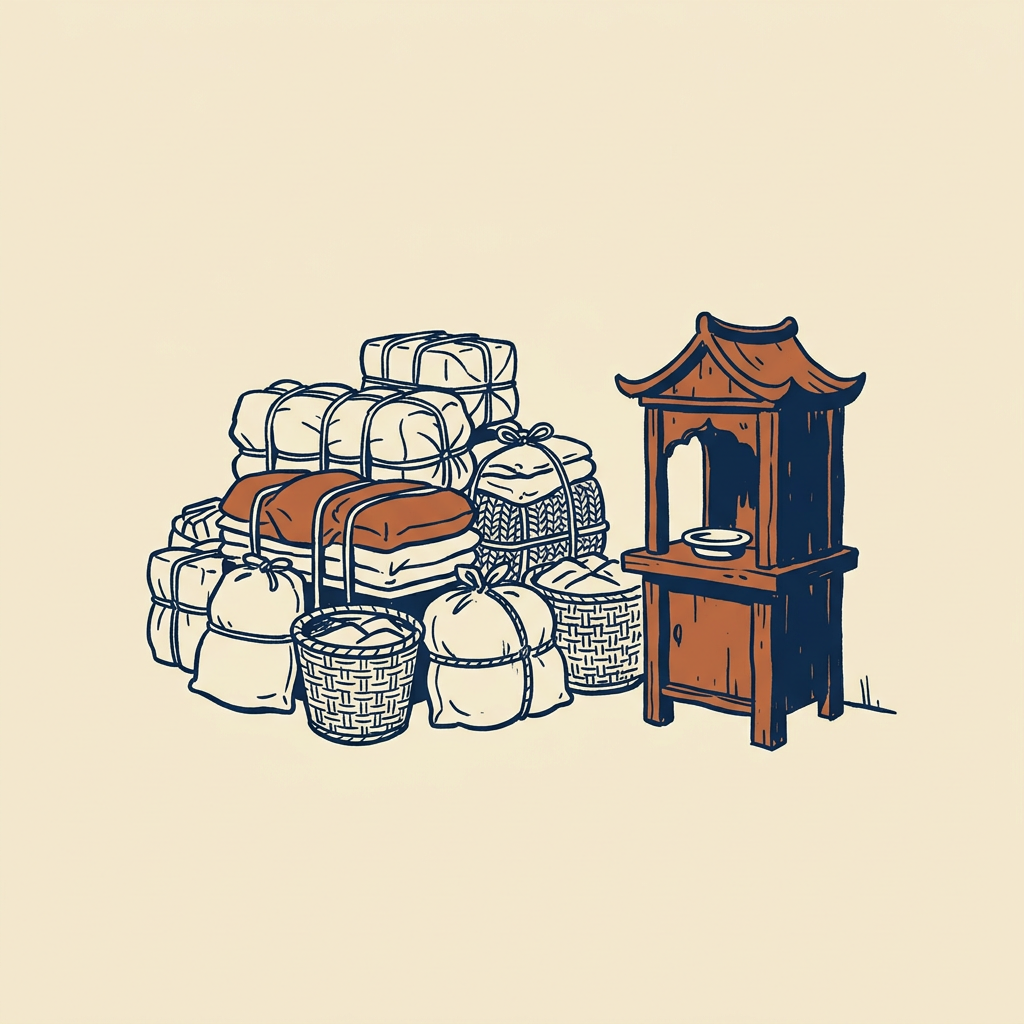
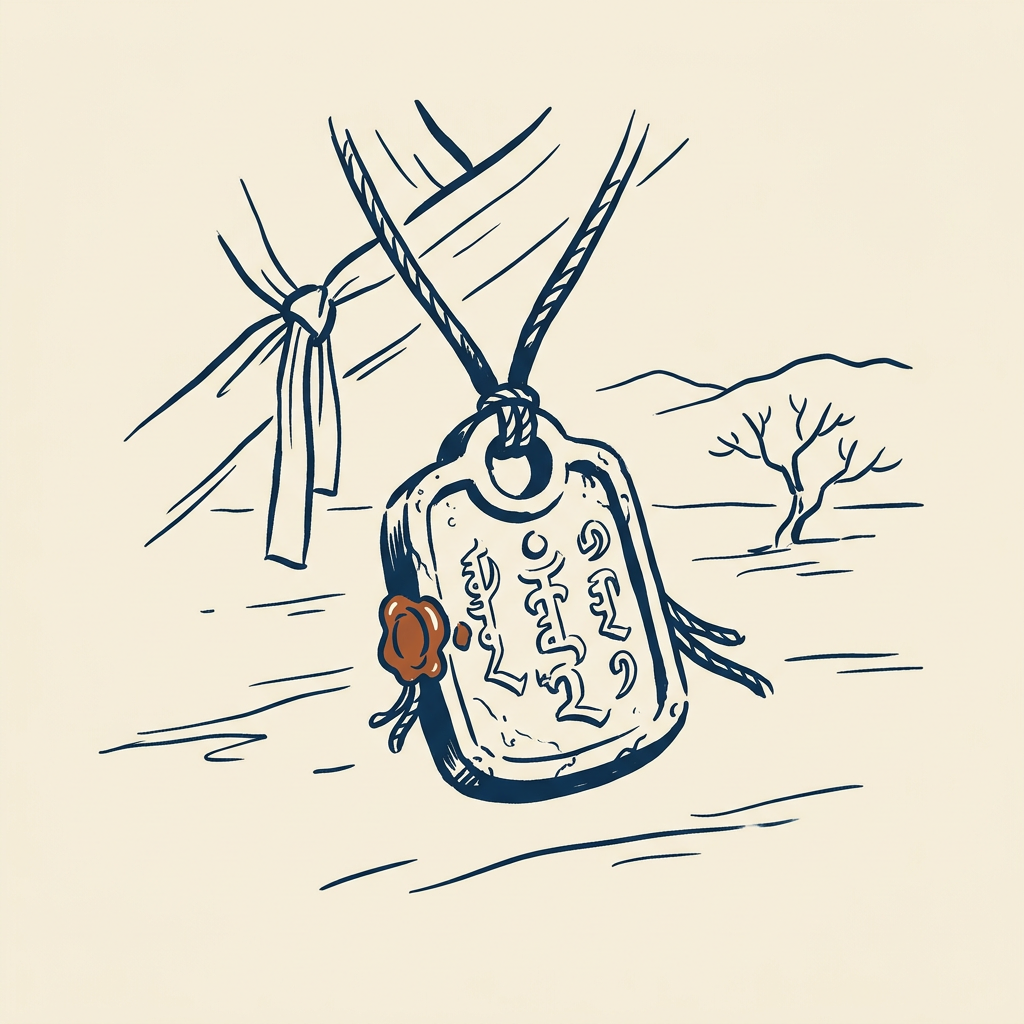
Frankopan follows Buddhism out of India into Central Asia and China along caravan routes, carried by merchants and monks who traveled together for safety and shared oasis lodging. The Kushan Empire, across modern Afghanistan and Pakistan in the first centuries CE, became a hinge where Buddhist art absorbed Greek sculptural styles left from Alexander, producing Gandharan Buddha images that later moved into China.
Nestorian Christianity, branded heretical by the Byzantine church, took refuge on the same routes and reached the Tang capital of Chang'an. A stone stele raised there in 781 CE records a working Christian community with imperial patronage.
Manichaeism, founded by the Persian prophet Mani in the third century, likewise traveled the corridors and briefly became the state religion of the Uighur Khaganate. Ideas did not radiate from one holy center by conviction alone; they rode commercial infrastructure, adapted to local languages and rulers, and survived or vanished with the trade.
In practice: The 781 CE stele at Chang'an records Nestorian Christians under Tang patronage at the eastern end of routes that had already carried Buddhism north from India.
4
Islam unifies the corridor
The rapid success of the Arab conquests owed more to seizing and integrating existing trade and administrative systems than to religious zeal alone.
Within a century of Muhammad's death in 632, Arab armies had taken Persia, much of the Byzantine Near East, and pushed into Central Asia and Spain. Frankopan ties the speed less to superior faith than to absorbing Persian and Byzantine tax systems, trade routes, and local elites largely intact.
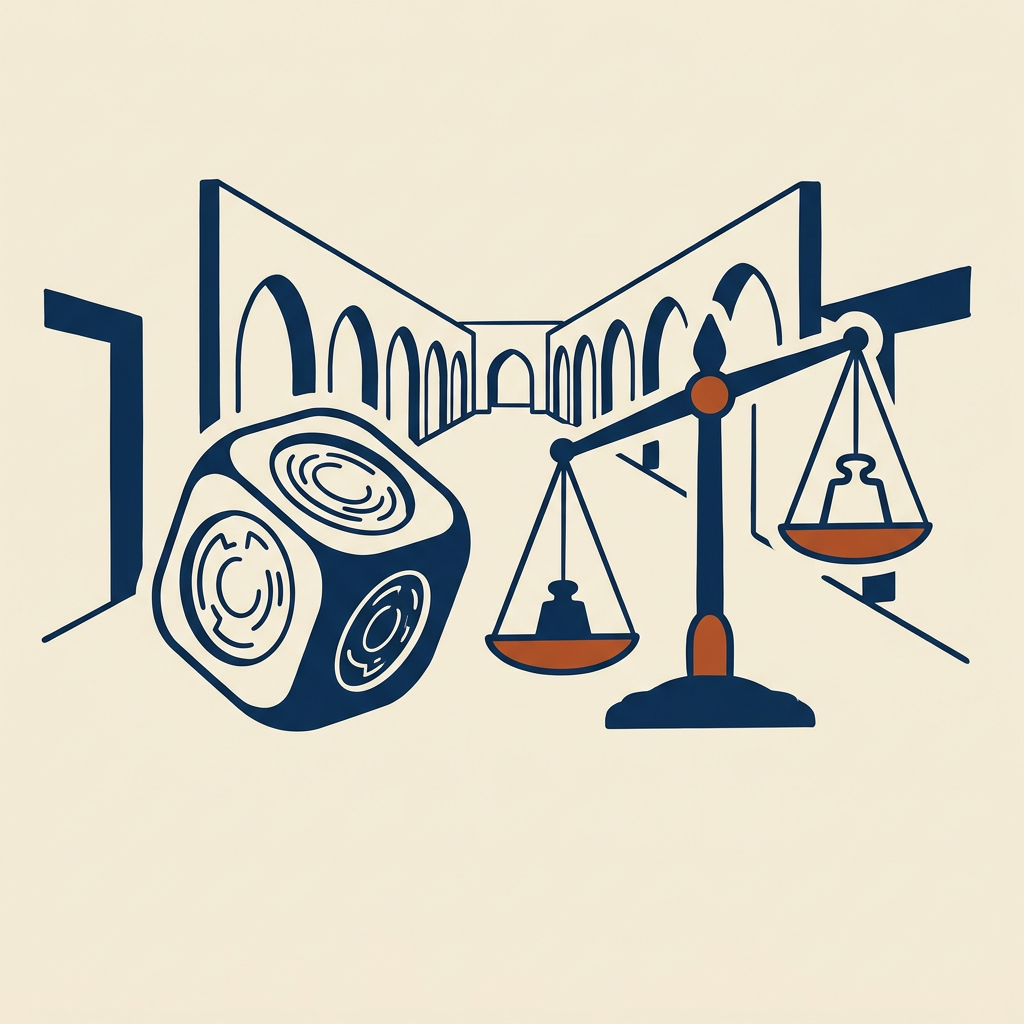
The new empire placed a single political and legal umbrella over the corridor from Spain to the borders of China. That unification cut the cost and risk of long-distance trade.
Baghdad, founded by the Abbasids in 762, became for a time the wealthiest city in the world. Its House of Wisdom translated Greek, Persian, and Indian scientific texts into Arabic. Samarkand and Bukhara turned into hubs of mathematics, medicine, and astronomy; the word algebra comes from the title of a book written in Baghdad.
Frankopan’s point is structural: one legal and monetary system over the whole trade spine produced the boom, while fragmented post-Roman Europe remained a backwater on the western fringe.
In practice: Baghdad's House of Wisdom rendered Greek, Persian, and Indian science into Arabic while much of that learning sat neglected in Europe.
5
Conquest as connection
Mongol conquest, despite extreme violence, produced the most connected trading world before the modern era, and that connectivity mattered more than the destruction alone.
- 1206Genghis Khan unifies the Mongol tribes
- 1258Baghdad falls and is destroyed
- 1240s–1360sPax Mongolica steadies Black Sea-to-Beijing travel
- Polo journeysEuropean merchants reach the Mongol Chinese court
Genghis Khan unified the Mongol tribes in 1206; within decades his descendants ruled from Korea to Hungary, the largest contiguous land empire in history. Cities that resisted, including Merv and Baghdad in 1258, were destroyed with enormous loss of life. Frankopan does not soft-pedal the brutality.
He argues the unification still produced the Pax Mongolica, roughly the 1240s to the 1360s, when a merchant could travel from the Black Sea to Beijing under predictable safe conduct, taxation, and exchange guaranteed by Mongol authority. Marco Polo’s journey, whatever its exact accuracy, shows a European merchant family could reach the Mongol-ruled Chinese court and return.
Gunpowder moved west from China along those routes; papermaking and printing spread farther; Chinese cartography and administration reached Persian and Central Asian courts. Mongol rulers hosted Buddhist, Christian, and Muslim advisers and used that pluralism as a governing tool.
His harder claim is that conquest and connectivity were often the same event, and the greatest premodern integration followed the greatest violence.
In practice: Under Mongol safe-conduct rules a merchant family like the Polos could travel to the Chinese court and back, a trip unthinkable a century earlier.
6
Death on the same roads
The Black Death spread through the same trade infrastructure that had built prosperity, showing connectivity carries catastrophe as readily as goods.
The mid-fourteenth-century plague did not drift by chance; it moved along the commercial routes the Mongols had secured. Frankopan tracks it from Central Asian rodent populations into Mongol trade cities, then to the Crimean port of Caffa.
In 1346 a Mongol army besieging Genoese traders there is recorded as catapulting plague-infected corpses over the walls, one of the earliest documented uses of biological warfare. Ships fleeing Caffa carried the disease into Mediterranean ports. Between 1347 and 1351 it killed an estimated one-third to one-half of Europe’s population.
He treats the shock as structural. Labor collapse disrupted feudal order, raised wages for survivors, and weakened landholding elites in ways some historians link to conditions that later aided the Renaissance and wage labor in Western Europe. The Islamic world and parts of Asia were hit hard too but did not see the same long-term restructuring.
The corridor that had underwritten Islamic and Central Asian preeminence also delivered the demographic blow that arguably tilted later advantage toward Europe.
In practice: Genoese ships fleeing the 1346 siege of Caffa carried plague from the Black Sea into Mediterranean ports and through Europe.
7
Sailing around a locked door
European transoceanic exploration was born from exclusion from the profitable eastern trade routes, not from inherent European superiority in science or ambition.
After 1453
Ottoman and Islamic intermediaries control spices and silk; Europeans pay the markup
Ocean bypass
Portuguese round Africa; Columbus sails west for Asia and hits the Americas
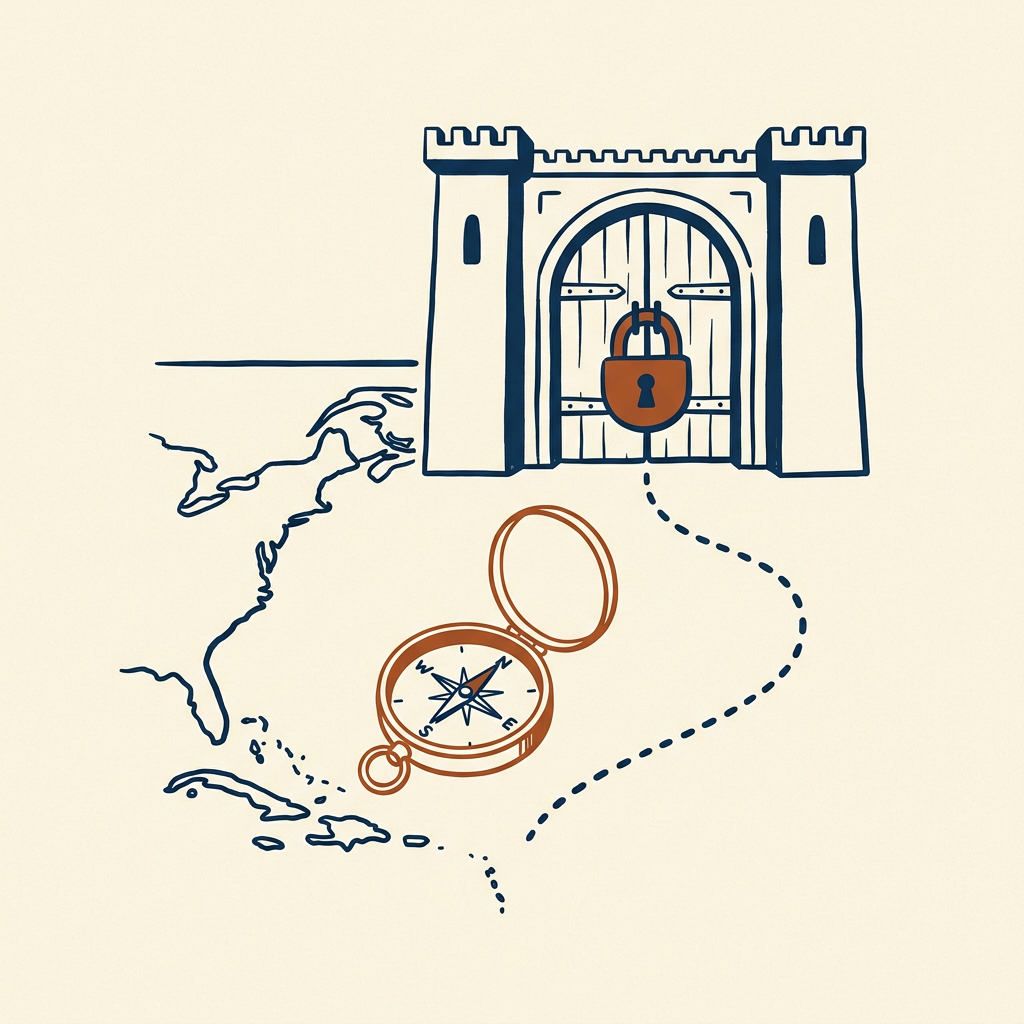
By the fifteenth century the eastern Mediterranean and the overland routes to Asia sat under Islamic powers, above all the Ottomans after they took Constantinople in 1453. Europeans who wanted spices and silk paid Ottoman, Persian, or Arab intermediaries at markups that enriched a narrow circle of Middle Eastern and Venetian merchants.
Frankopan frames the Portuguese and Spanish voyages as attempts to bypass a system that shut Western Europe out. Portuguese captains edged down the African coast for decades before Vasco da Gama reached India by sea in 1498. Columbus, sailing for Spain in 1492, sought a western sea route to Asia’s spice markets and struck the Americas instead.
These voyages were defensive and opportunistic answers to being priced out of an older, more sophisticated trading world centered on the silk roads corridor. The wealth they eventually unlocked, especially American silver, took another century to pull gravity toward the Atlantic, and the shift remained gradual.
In practice: Vasco da Gama’s 1498 arrival in India opened a sea route that avoided Middle Eastern middlemen after Constantinople’s fall.
8
Silver, slaves, slow reversal
The rise of Western Europe was financed largely by American silver and enslaved African labor, not by an independent leap in European productivity or ideas.
- 1Potosí silverBolivian mines flood global bullion markets from the 1540s
- 2Enslaved laborAfrican captives work Atlantic plantations into commodity wealth
- 3Joint-stock companiesDutch VOC in 1602 and English EIC in 1600 pool capital for Asian trade
- 4Gradual tipNaval and later industrial edge shifts power toward Western Europe
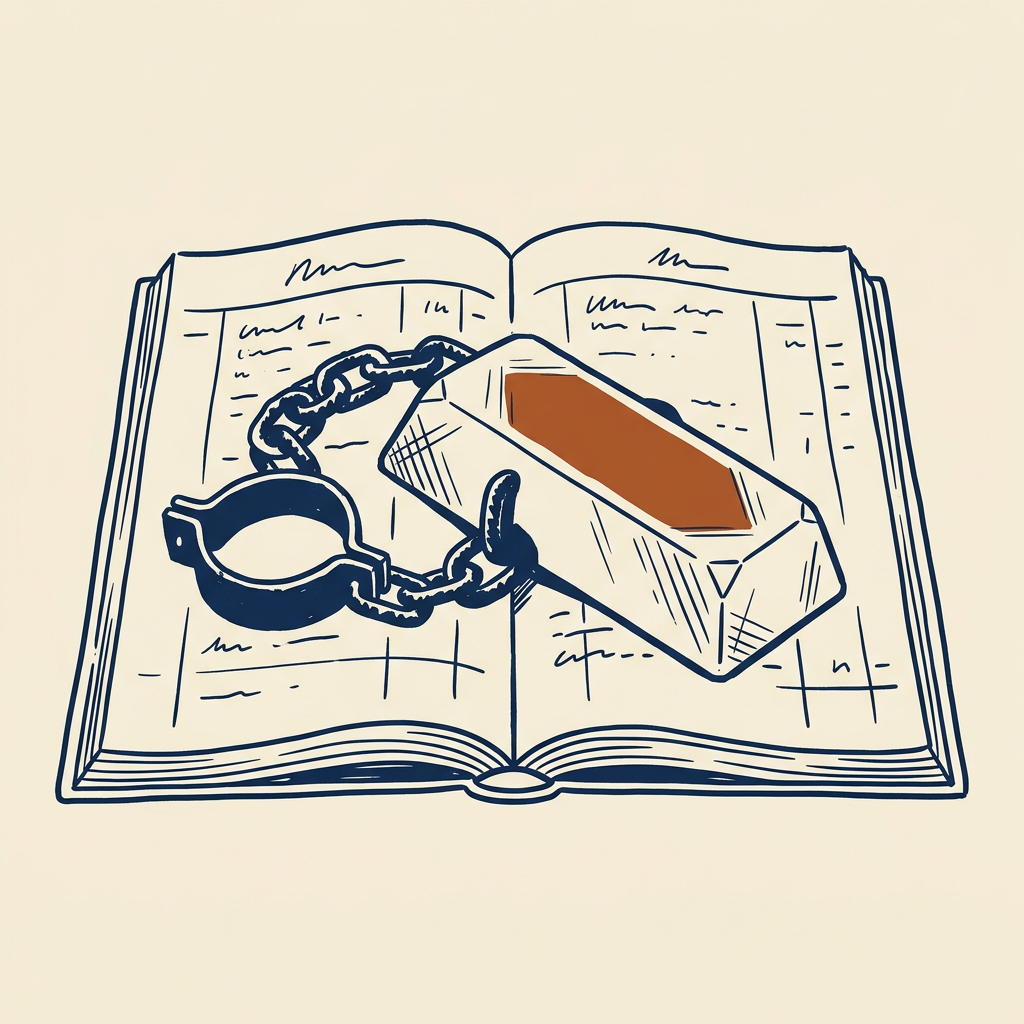
Spanish silver from the mines of Potosí in modern Bolivia, beginning in the 1540s, flooded global bullion markets. Much of it did not stay in Europe; it flowed on to pay for Chinese silk and porcelain, so the old Eurasian system kept absorbing European wealth even after Atlantic routes opened.
Joined to the transatlantic slave trade that forcibly moved millions of Africans onto Caribbean and American plantations, that capital built new financial machines. The Dutch East India Company, founded in 1602, and the British East India Company, chartered in 1600, pooled investor funds for long voyages and later territorial conquest.
Frankopan stresses the companies were built to extract value from older Asian networks, not to erase them. European traders stayed guests and competitors inside a system whose core markets remained in India, China, and the Middle East for a long stretch. Only slowly, through capital, naval power, and later industry, did the balance tip decisively west—an outcome he refuses to treat as inevitable or as the fruit of superior European ideas.
In practice: Potosí silver from the 1540s paid for Asian goods while joint-stock companies founded around 1600 organized the extraction.
9
The corridor keeps calling
Nineteenth-century imperial rivalry, Cold War contests, and China’s Belt and Road all target the same strategically central land bridge that has drawn empires for over two thousand years.
- 19th c.Britain–Russia Great Game in Afghanistan, Persia, Central Asia
- 1908Anglo-Persian Oil Company after Persian strikes
- 1916Sykes-Picot divides Ottoman lands into zones
- 1953Coup removes Mossadegh after oil nationalization
- 1979Soviet invasion of Afghanistan; Iranian Revolution
- 2013China announces the Belt and Road Initiative
As Britain and Russia expanded in the nineteenth century they collided along the old corridor in Afghanistan, Persia, and the Central Asian khanates—the rivalry called the Great Game. Frankopan reads it as the newest chapter of outside powers fighting for the same land bridge, not a fresh imperial plot.
Oil raised the stakes. The Anglo-Persian Oil Company, formed in 1908 after finds in Persia, gave Britain a direct interest in territory that now fueled a Royal Navy switching from coal to oil. After the Ottoman collapse, the secret 1916 Sykes-Picot agreement carved zones of influence still visible in the map of Iraq, Syria, and the wider Levant.
After 1945 the same geography drew the superpowers. The 1953 coup against Iran’s Mohammad Mossadegh, following oil nationalization, installed the Shah and fed resentments that burst out in the 1979 revolution. The Soviet invasion of Afghanistan in 1979 pulled the United States into arming mujahideen through Pakistan, with aftershocks that outlived the Cold War.
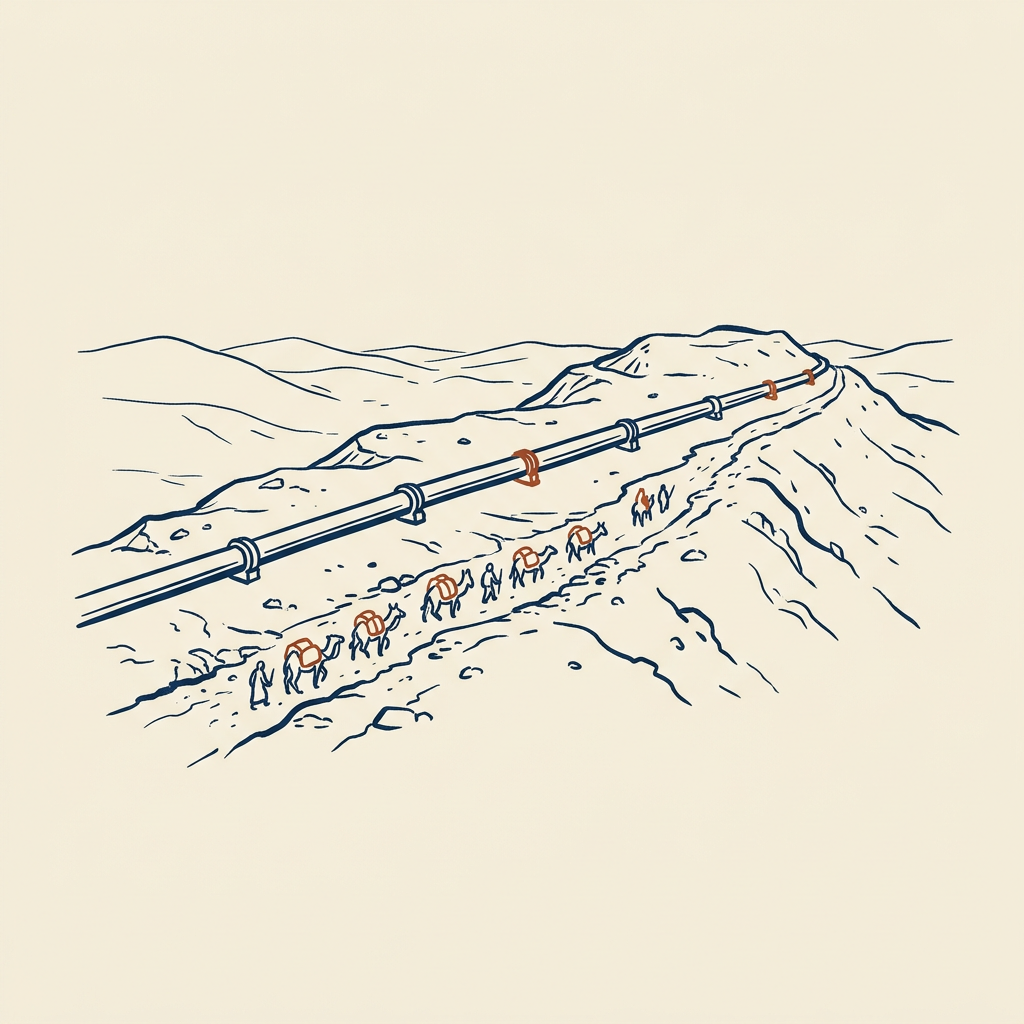
Frankopan ends with China’s 2013 Belt and Road Initiative—hundreds of billions for rail, ports, and pipelines across Central Asia, Pakistan, the Middle East, and East Africa—and with Gulf states reclaiming financial weight. He treats two centuries of Western dominance as an anomaly and the corridor’s return as reversion to form.
In practice: The 1908 Anglo-Persian Oil Company and the 2013 Belt and Road Initiative both pour outside capital into the same corridor for strategic leverage.
Key terms
- silk roads Frankopan’s term for a web of routes from the eastern Mediterranean to China carrying goods, slaves, ideas, and disease, not one highway
- Royal Road Achaemenid Persian chain of way-stations running over 1,600 miles from Sardis to Susa
- Pax Mongolica Roughly 1240s–1360s period when Mongol authority made merchant travel from the Black Sea to Beijing relatively predictable
- House of Wisdom Abbasid center in Baghdad that translated Greek, Persian, and Indian scientific works into Arabic
- Great Game Nineteenth-century British–Russian contest for influence across Afghanistan, Persia, and the Central Asian khanates
- Sykes-Picot Secret 1916 British–French deal that split Ottoman lands into zones of influence still shaping the Levant
- Belt and Road Initiative China’s 2013 push of vast infrastructure spending across Central Asia, Pakistan, the Middle East, and East Africa, cast as a silk-roads revival
- Potosí Bolivian silver mines whose output from the 1540s flooded world markets and helped underwrite Europe’s rise
What to do
- Ask what resource, route, or corridor is at stake the next time news covers Central Asia, Iran, Afghanistan, or the Gulf.
- Check where the next general history book centers its map and what it treats as background versus foreground.
- Seek out at least one history written from a non-Western vantage point this year.
- Map your own supply chains or policy interests against the older Eurasian corridor before assuming only Atlantic or Pacific routes matter.
Questions to think with
- If this corridor held the center for most of two thousand years, what happens to the claim that modernity began uniquely in Europe?
- Does treating conquest as a connectivity engine risk dulling the human cost of Mongol and later imperial violence?
- How much weight should suggestive geographic parallels—such as Zoroastrian and later biblical ideas—carry without hard proof of transmission?
- Does swapping a Eurocentric map for a Persia-to-China spine correct blind spots, or does it only install a new single center?
- What evidence would show that today’s Belt and Road is a return to historical norm rather than a new hierarchy?
The other side
The book is synthesis, not archival research, so claims like Zoroastrian ideas flowing into Judaism and Christianity rest on timing and geography more than documented transmission. Sub-Saharan Africa barely appears outside the Atlantic slave trade, and pre-Columbian Americas stay offstage until Europeans arrive, which sits oddly beside an attack on Eurocentric blind spots. Critics argue Frankopan replaces one center with another and stays with rulers and trade elites, leaving little room for ordinary people, women, or the enslaved inside the corridor; his 2015 optimism about a benign silk-roads return also looks thinner after later reporting on Belt and Road debt burdens and conditions in Xinjiang.
Who it's for
Readers who want one narrative that reframes centuries of world events around a single land corridor, and students of geopolitics trying to understand why Central Asia and the Middle East keep recurring in great-power conflict, will get the most from the full book.