




Trump lifts Irish whiskey tariff on fairness grounds
At Doonbeg, the president ended the U.S. duty on Irish whiskey alone, matching the zero-tariff break already given Scotch and Northern Irish spirits after months of direct appeals.
IJR · Sep 14, 2026 · 5 min read
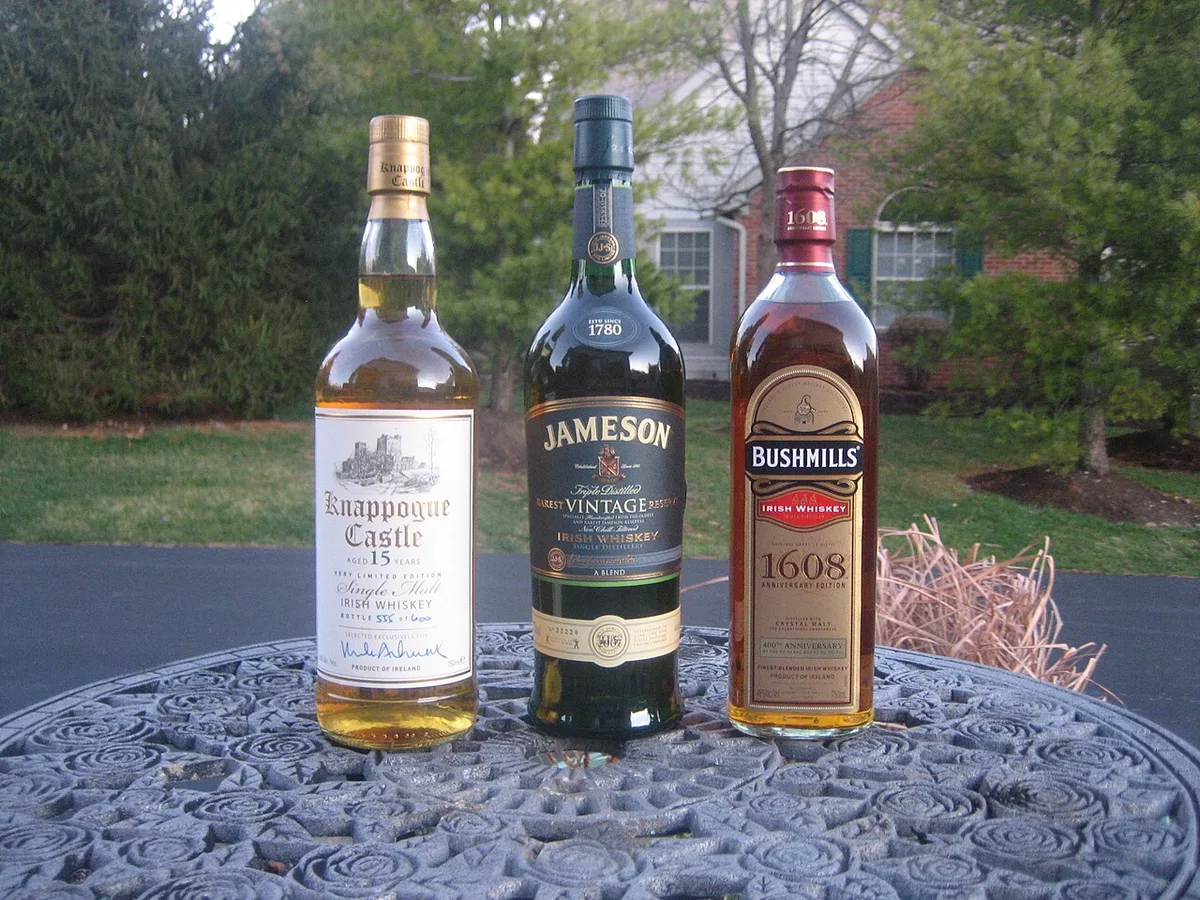
On the 18th green at Doonbeg in County Clare, President Donald Trump presented the Irish Open trophy to Shane Lowry and then told the crowd he would take the American tariff off Irish whiskey. The spectators answered with loud whistling, cheering and applause.
The announcement came on September 13, 2026, at Trump’s own golf resort, at the close of the trophy ceremony. He cast the decision as the end of a disparity that had followed him through the visit.
“Everybody’s been bugging me,” Trump said. “And I said, ‘On behalf of the United States of America, I am going to take the tariffs off.’”
He returned to the point in the same remarks. “I want to mention one thing. Taoiseach and I talked about it and Shane talked about it and everyone has been bugging me saying ‘would you do me a favour? It’s so unfair what’s going on. Could you possibly take the tariffs off of Irish whiskey?’ And I said on behalf of the United States of America, I am going to take the tariffs off Irish whiskey.”
The unfairness he named was already on the public record. Scotch whisky and spirits made in Northern Ireland had received a zero-tariff exemption effective July 24, 2026, the Scotch Whisky Association said. Trump had announced the United Kingdom relief in May. On April 30 he posted that King Charles III and Queen Camilla “got me to do something that nobody else was able to do, without hardly even asking!” Irish whiskey, still under the European Union rate, had been left behind on the same American shelves.
Reporting split on the rate still applied to the Irish product. ABC News, the Associated Press and Euronews described a 15 percent tariff. The Irish Times, Extra.ie and Drinks Industry Ireland put the figure at 10 percent after a July cut in the EU standard rate from 15 to 10. In either account, Irish whiskey carried a duty that Scotch and Northern Irish whiskey no longer did.
Before boarding Air Force One at Shannon Airport on Sunday evening, ending a two-day visit, Trump was asked whether the removal would cover the whole European Union or only Ireland. “Just Ireland,” he said. He added: “It was very unfair because others had the relief and they didn’t, so I thought I’d do it. Actually, Shane asked me about it, too. A lot of people asked me.”
That answer is the policy. He did not wait on a Brussels round. He did not fold the fix into a single package for every European capital. He drew a national line and held it. Sovereignty in trade means the United States can distinguish among partners when the facts warrant it, and can drop a levy that no longer serves American buyers or the American firms that stock Irish whiskey.
A tariff is a tax. It is paid at the border and then either absorbed by the importer or passed into the shelf price. When one whiskey category enters duty-free and another does not, the market tilts for reasons that have nothing to do with taste or craft. Restoring tariff-free treatment for Irish whiskey puts it on the same footing Scotch and Northern Irish whiskey already occupy. Consumers face a cleaner choice. Distributors stop managing a government-built handicap. Free enterprise works better when the price reflects the product, not a leftover disparity from an earlier round of duties.