




Europe hunts a Putin envoy as Trump drives peace terms
After Witkoff’s three-hour session with Putin, European leaders scramble for a single voice, weighing Stubb and Costa while Washington links an end to the war with revived trade.
IJR · Oct 22, 2026 · 4 min read
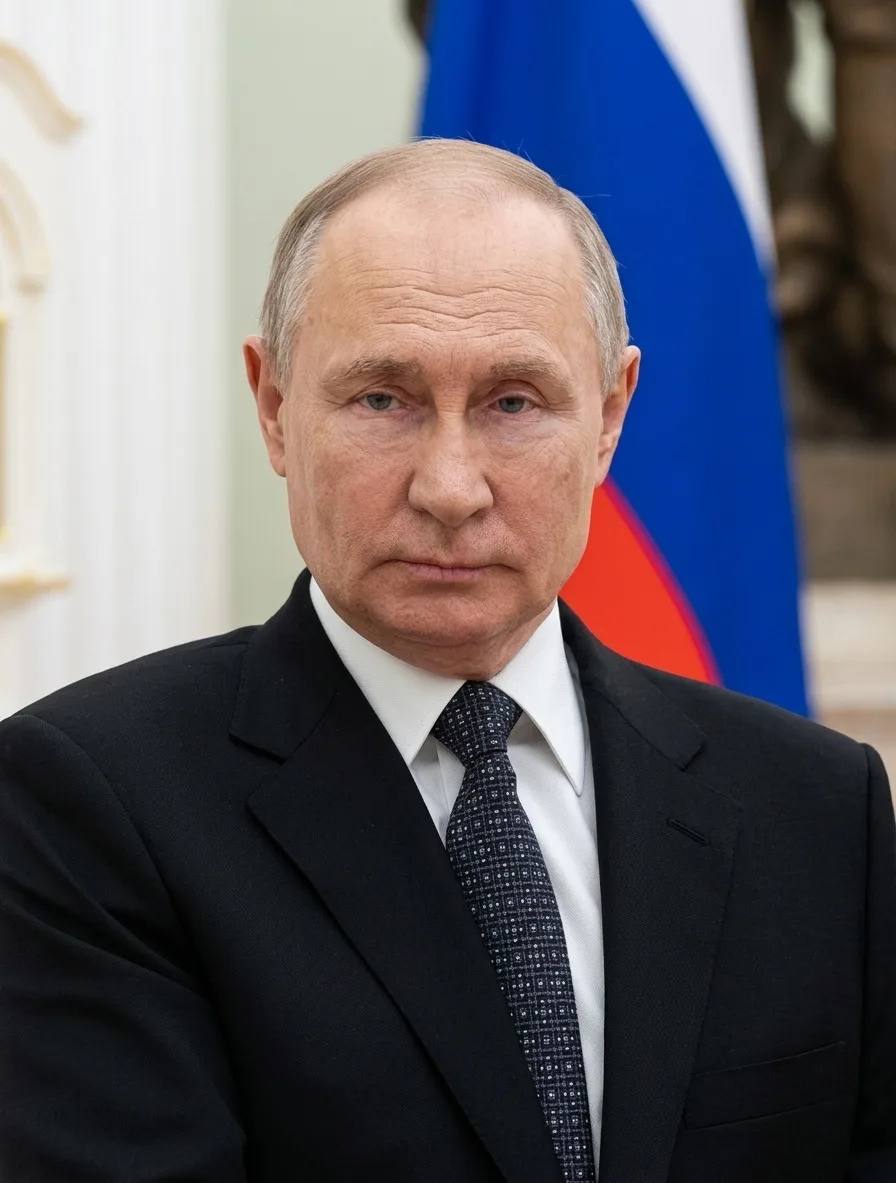
Steve Witkoff spent about three hours with Vladimir Putin in St. Petersburg on October 21. The American envoy arrived from Oslo, where the day before he had sat with Volodymyr Zelenskyy and European officials, Jared Kushner joining by video alongside Jonas Gahr Støre and Alexander Stubb. The sequence left European capitals facing a hard fact: the United States was moving talks on Ukraine without waiting for Brussels to settle on a speaker.
Czech President Petr Pavel put the problem in plain terms to the Axel Springer Global Reporters’ Network. “President Putin disregards the European Union as an authority. He doesn’t want to talk to Ursula von der Leyen, he doesn’t talk to Kaja Kallas. He stopped talking to other European leaders, including Emmanuel Macron.” Pavel called on the EU to designate a negotiator or a group of negotiators authorized to speak for Europe, whether or not they held formal EU or NATO office.
Diplomats and officials have not agreed on the name. One European diplomat drew a bright line against the usual Brussels habit of sending a crowd. “We cannot show up with two or three people all speaking on behalf of the EU. The choice of who ends up representing the EU will be based on what would provide the most value, not personal power struggles or narcissistic preferences.”
Alexander Stubb has drawn the most attention outside the institutional roster. Finland and Russia share a roughly 1,300-kilometre border, and European diplomats cite that history directly. “Stubb is interesting precisely because of Finland’s experience and traditions of dialogue with Russia. In Europe, the Finns know better than anyone what it takes to ensure their own security under such circumstances,” one said. Another noted he was “so far the only one who has shown a willingness” to step into the role. Stubb’s presence in Oslo placed him already inside the American-led track rather than waiting for a committee process to invent one.
António Costa is the other name in circulation. European leaders asked him at the Brussels summit whether he should contact Putin. A diplomat recounted the exchange: “Costa said, no, he’s not going to talk to Putin now. But Costa should start talking to Putin if we want to play a role in the negotiations. By not speaking, we are playing into the hands of our opponents.” The same diplomat argued Costa would be better suited than von der Leyen or Kallas, both viewed as too closely identified with support for Ukraine to serve as intermediaries at leaders’ level. “Costa comes across as more of an honest broker.”
The European worry, stated in its own terms, is straightforward. Talks run by Trump and Witkoff could sideline the continent and leave Ukraine pressed into terms that European governments did not shape. Officials want any representative to speak for the member states collectively, with negotiations covering territory, security guarantees and Ukraine’s future. That case is real. What it does not answer is why Europe still lacked a single authorized channel after years of war and after Putin had already stopped taking calls from the figures Brussels prefers.
Washington is not waiting. The United States has proposed a new trilateral meeting of American, Ukrainian and Russian negotiators. Trump wants Zelenskyy and Putin to sign a peace deal at the G20 summit in Florida in December. The Trump administration has linked ending the war to reviving Russian-American economic relations, including talk of Russian fertilizer and diesel exports to the United States. For American taxpayers who have funded weapons, aid and energy shocks, that linkage is not a scandal. It is a demand for an end-state instead of another open-ended European process.
Limited government and national sovereignty cut the same way. The United States cannot indefinitely substitute for European resolve while European institutions debate personal portfolios and institutional pride. A sovereign republic decides its interests, sets conditions and expects allies to carry their own security weight. Free enterprise and the ordinary American household feel the cost of prolonged conflict in energy prices and budget outlays. Faith and family suffer when wars without clear political aims drag on. The Constitution does not assign Washington the permanent duty of managing every European frontier dispute; it assigns the government the duty to protect the United States and conclude commitments that serve that end.
Russia timed the release of Stephen Hubbard to Witkoff’s Moscow visit. Hubbard, 74, a retired Michigan teacher, had been held in Russian detention for more than four years on mercenary charges he denies. The release gave the American track a concrete deliverable even as Europe argued over who might someday sit across from Putin.