




Macron brands border warnings stupid as France burns
As French cities reeled from arson and looting, Macron condemned Trump and Netanyahu for linking the violence to migration—even as a majority of French voters and bond markets registered the cost of lost control.
IJR · Oct 23, 2026 · 5 min read
On October 17, protesters forced their way into the town hall in Limoges and set the building on fire. That same day, masked groups clashed with police in Paris, looted shops, burned cars and barricades, and carried the violence through Lyon, Marseille, Nice. The government later admitted it had lost control.
Nearly 150 people have been jailed and more than 800 brought before the courts since the riots. Morningstar estimates insured losses of up to 1.2 billion euros. French 10-year government bond yields passed 5 percent, hitting 5.113 percent and surpassing the U.S. 10-year Treasury yield for the first time since 2013—a 24-year high for France. The government revised its 2026 real GDP growth forecast to 0.5 percent from 1 percent.
Into that wreckage stepped foreign leaders who named immigration and Islamist extremism as drivers of the disorder. U.S. President Donald Trump posted on Truth Social: “France is burning! The immigration of people from an entirely different world, people with hatred in their hearts, has shattered that once great country. Close your Borders and take control, before it is too late!” He also urged Europe to “close your borders and take control before it is too late!” and blamed migrants, jihadists and communists. Israeli Prime Minister Benjamin Netanyahu, facing his own election, said France had been hit by an “invasion of extremist Islam” and recalled warning Macron after the October 7, 2023 Hamas attack: “If we do not eliminate them here, you will have them in Paris.” He added, “That is exactly what is happening.”
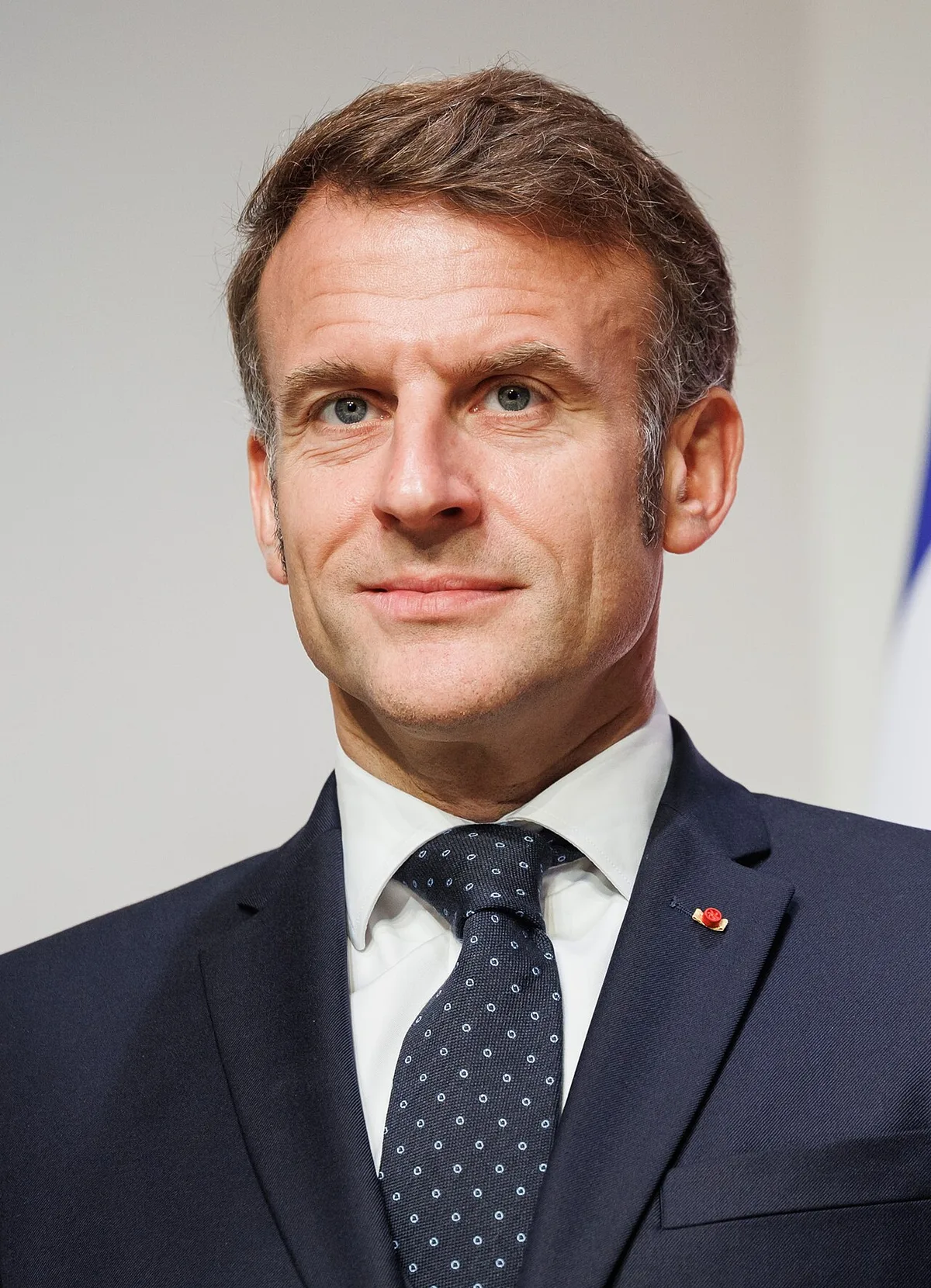
French President Emmanuel Macron answered from Doha, Qatar, during a Gulf tour seeking energy deals. He told reporters the claims were false. “We have people who explained that we have been invaded by hordes of migrants and Islamists, which is totally false.” He said there was “no visible foreign interference in the events that took place,” but “there was foreign manipulation of information which led to unacceptable and even stupid comments by many, including foreign leaders.” Asked whether he meant Trump, Macron replied, “Among others, but he is part of it.” He continued: “You know, at times like this you see who loves France and who does not. All the people — it has to be said — all the people who are running down our country right now are people who don't love our country. So these people get on my nerves.”
A CSA Institute poll found that 55 percent of the French believe there is a link between migration and the violence; 35 percent disagree and 10 percent offer no opinion. Macron’s categorical denial therefore runs against the judgment of a clear majority of his own citizens. That gap matters for any government that claims to rest on consent. When a president dismisses what most voters see on their own streets as “totally false,” and brands foreign leaders who echo those voters as unloving and stupid, he is not merely conducting diplomacy. He is choosing narrative control over the harder work of restoring order and explaining how a cost-of-living protest fringe produced arson at a town hall and running street battles.
The conservative case follows directly from the record. Public safety and national sovereignty are not campaign slogans; they are the conditions under which limited government, free enterprise and ordinary life can function. A state that loses control of its cities, then watches its borrowing costs spike above America’s and its growth forecast cut in half, is transferring the bill for disorder onto taxpayers and savers. Bond markets do not grade rhetoric. They price the risk that a government cannot keep the peace or pass a credible budget. France’s 10-year yield at a 24-year high is that price. Insured commercial losses approaching 1.2 billion euros are that price. The revised 0.5 percent growth forecast is that price.
Macron’s side of the argument, stated in his own terms, is that the unrest began with largely peaceful demonstrations over the cost of living and school conditions, that ultra-left agitators and opportunistic rioters drove the worst violence, and that foreign actors later amplified AI-generated images and misleading clips for their own ends. He pointed to manipulation of information after the fact, including fabricated scenes. Researcher David Colon of Sciences Po has described pro-Kremlin influencers amplifying false narratives. One viral image of an elderly couple supposedly robbed in Paris was created with ChatGPT by Sabrina Hania’s Infos-Israel.News site and later circulated without its AI label. Iranian Foreign Minister Abbas Araghchi urged Macron to listen to protesters. None of that erases the physical facts of October 17—the burned Limoges town hall, the looted shops, the masked clashes—or the French public’s 55 percent judgment that migration and the violence are linked.
Rule of law requires the same standard at home and abroad. Macron convened an emergency meeting Thursday with intelligence services, Prime Minister Sébastien Lecornu and ministers to review what went wrong and prepare for further protests. Interior Minister Laurent Nuñez said military forces would help maintain order. Demonstrations were banned Thursday in Paris, Lyon, Lille and Grenoble. Night curfews were imposed in parts of Paris and other cities. The government has pledged to be uncompromising toward agitators. Those are proper uses of state power: protecting persons and property, not managing foreign opinion. Yet the same government faces trade unions planning a nationwide mobilization for November 5. CGT leader Sophie Binet has called the anger huge and legitimate and argued for a political response rather than repression. Student union UNEF and the gilets jaunes have called for weekend rallies.
Energy diplomacy continued in parallel. The UAE and Bahrain pledged a combined additional 200,000 tonnes of diesel per month to France, a concrete offset to fuel-cost pressure that helped spark the original demonstrations. That transaction does not resolve the deeper question the riots posed: whether a modern European state can sustain open internal disorder, contested borders and rising debt service at the same time. Trump’s and Netanyahu’s warnings, whatever their electoral timing, rest on a plain claim about social cohesion—that large-scale settlement from “an entirely different world,” in Trump’s words, and the failure to confront extremist Islam, in Netanyahu’s, eventually show up in the streets. Macron calls that claim false. A majority of French respondents, and the bond market, are not so sure.