




Senate advances bill to restore order in college sports
A 74-24 cloture vote moves the Protect College Sports Act forward, aiming to replace state-by-state NIL chaos with national rules that protect scholarships, women’s sports, and program viability.
IJR · Sep 15, 2026 · 5 min read
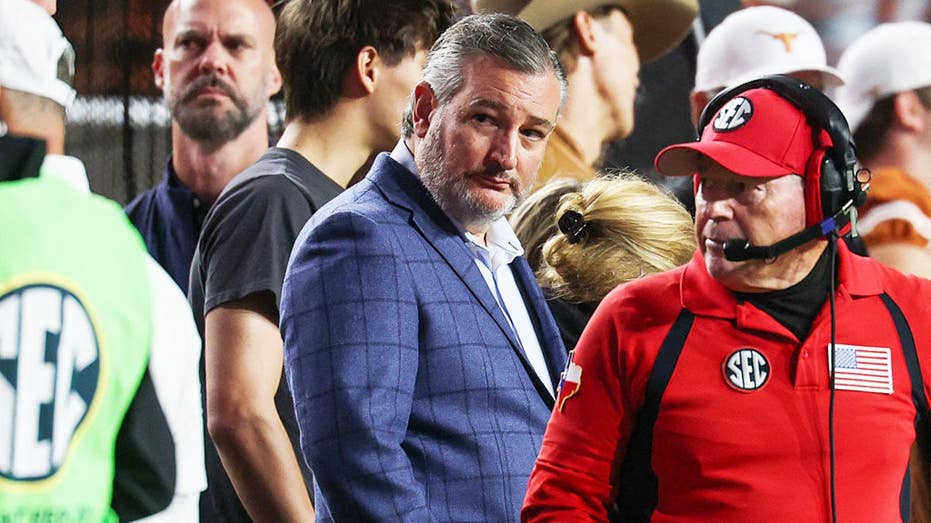
The Senate voted 74-24 on Tuesday, Sept. 15, 2026, to invoke cloture and advance the Protect College Sports Act. The tally cleared the 60-vote threshold and put the bipartisan measure on the path to a further procedural vote and a final Senate passage vote in the coming days.
The bill still must clear the House if it leaves the Senate. Republicans hold a 53-47 majority in the chamber. The current Senate session is expected to continue through Oct. 2, leaving a narrow window before the midterm elections.
Sen. Ted Cruz, R-Texas, and Sen. Maria Cantwell, D-Wash., introduced the legislation in late May, with original co-sponsors Sen. Eric Schmitt, R-Mo., and Sen. Chris Coons, D-Del. On Monday, Sept. 14, Cruz and Cantwell stood with athletes and coaches at a Washington press conference to press for passage. Cruz put the moment in football terms: “We’re on the 1-yard line. I think we have four downs in front of us to move into the end zone.” He said President Donald Trump is eager to sign it.
Cruz has described the status quo as “the chaos we have in college sports.” He warned that the current mix of court rulings and state rules “threatens the viability of many college athletic programs, it threatens the roster spots and scholarship positions of hundreds of thousands of student athletes. It threatens women’s sports. It threatens Olympic sports. If Congress does not act, all of that is in jeopardy of going away.” Cantwell called the measure “the last chance to save college sports.”
The bill would set a five-year eligibility framework for athletes and generally limit them to one transfer, with exceptions. It would create a federal name, image and likeness standard that preempts the patchwork of state laws, regulate agents and recruiting, and bar professional athletes from competing in college sports. It is neutral on whether athletes are classified as employees. Schools now operate under a revenue-sharing cap of $21.3 million per school; the bill would nearly double that figure to about $49 million per school, with the stated aim of shifting more money under a clear institutional limit rather than leaving spending to unregulated third-party deals.
The legislation also gives the NCAA and conferences a limited antitrust exemption, including authority to pool and sell some media rights, and shields schools from many future legal challenges over the new rules. Professional leagues such as the NFL and NBA already operate with antitrust exemptions, though their athletes bargain collectively over the terms. Supporters argue a single national standard restores the ability of schools to enforce common rules after years of litigation that dismantled long-standing eligibility, transfer and compensation limits.
For ordinary athletes outside the highest-paid football and basketball rosters, the stakes are concrete. Cruz’s case is that without federal guardrails, rising costs and endless lawsuits will shrink programs, cut roster spots and scholarships, and hit women’s sports and Olympic sports first. A national NIL rule replaces different state regimes with one set of terms. A higher but defined revenue-sharing cap gives schools a budget they can plan around instead of open-ended bidding wars. Eligibility and transfer limits are meant to keep teams intact long enough for athletes to finish degrees and for non-revenue sports to survive.
Gonzaga men’s basketball coach Mark Few backed the bill at the Monday event. “This bill might not be perfect, but it’s far, far away the best thing we got out there right now,” Few said. Arkansas coach John Calipari also appeared in support. The Big Ten and SEC initially opposed the measure but endorsed it after changes in late July. The NCAA has pressed Congress for years for a federal statute after state court decisions and temporary injunctions rewrote rules that had stood for decades. Tulane sports law professor Gabe Feldman wrote on X: “This is the closest we have ever come to passing comprehensive federal legislation for college sports.”
Cruz made the same case Saturday on ESPN’s “College GameDay,” speaking for nearly ten minutes while the University of Texas crowd booed behind him. Fox News framed the Senate action as a move “to rein in college sports ‘Wild West’ with sweeping new rules for players, schools.”