




Comey charged on anniversary of alleged classified leak
Prosecutors filed two national-defense charges against the former FBI director on the exact 10-year mark of the 2016 disclosure, the third federal case under the Trump administration.
IJR · Oct 27, 2026 · 4 min read
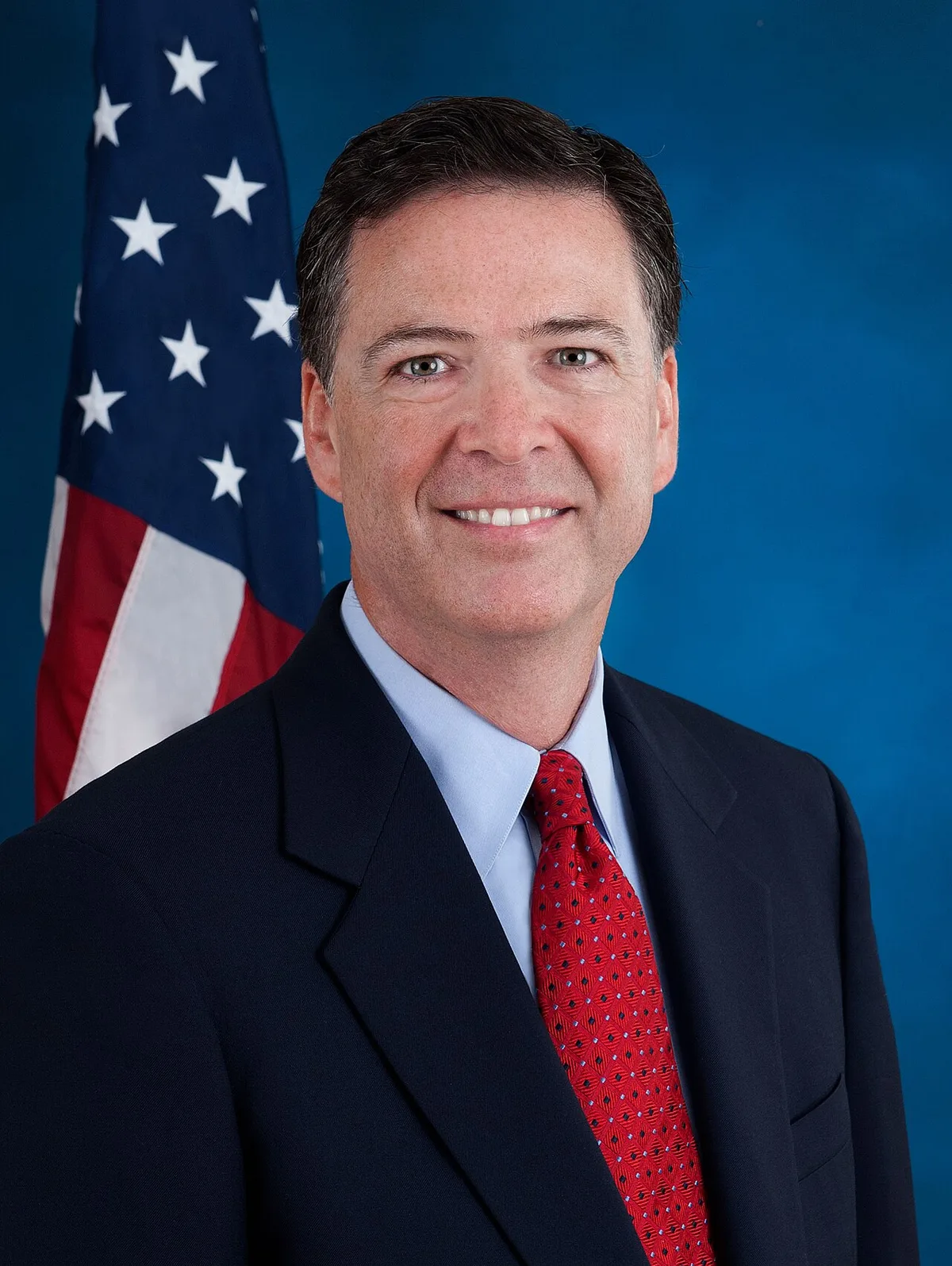
On Oct. 5, 2026, federal prosecutors filed a sealed criminal information against former FBI Director James Comey in the U.S. District Court for the District of Columbia. The date matched, day for day, the alleged disclosure a decade earlier. The document charged him with transmission of national defense information and conspiracy to transmit national defense information.
Judge Trevor McFadden, a Trump appointee, unsealed the charging paper Monday at Comey's own request. Comey was not indicted by a grand jury. Prosecutors proceeded by criminal information alone.
The alleged conduct traces to Oct. 5, 2016, and a New York Times article by Charlie Savage headlined "Yahoo Said to Have Aided U.S. Email Surveillance by Adapting Spam Filter." Special Assistant U.S. Attorney Dustin Farahnak wrote that the investigation had uncovered evidence Comey "sought to correct misinformation which had appeared in the press by way of Reuters the day before," and that he "directed staff to speak to Mr. Savage about specific accuracy concerns related to the Reuters article, and thereby illegally transferred classified information."
Comey answered in a Substack video the same day the paper became public. "Well, they're back, again," he said. "It would almost be funny if it weren't such an appalling abuse of the Department of Justice, one that we cannot become numb to." He added, "Nothing has changed with me. I'm still innocent." He said he is "still not afraid of these people and I still believe in the independent judiciary," that he remains "lucky to have an amazing family and an incredible group of lawyers that will stand up in court and fight the latest and whatever comes after this," and that "the next couple of years are going to be hard for all of us. It's really important that we stand straight and keep the faith in America."
His attorneys had already moved to dismiss. They filed on Oct. 9, 2026, four days after the sealed information. They argue the 10-year statute of limitations expired on the precise anniversary of the alleged disclosure, and that the government had to obtain a grand jury indictment within that window. A criminal information, they contend, does not satisfy the requirement. Without a waiver of indictment, which would be unusual, Comey cannot be tried on the information alone.
Patrick Fitzgerald, speaking for Comey, placed the new filing against the record of prior reviews. He said the article at issue was one "that two different teams of prosecutors investigated during the first Trump administration. Both times the Government determined that no charges should be brought against anyone." Now, he said, ten years after publication, the government filed an information "that was not approved by a judge nor issued by a grand jury" and that "purports to charge Mr. Comey with crimes that he did not commit." Fitzgerald said Comey "will fight these charges vigorously and in the open."
This is the third federal criminal case brought against Comey under the Trump administration. The first was a September 2025 indictment in the Eastern District of Virginia for false statements and obstruction tied to Sept. 30, 2020, Senate Judiciary Committee testimony. That case was dismissed on Nov. 24, 2025, after a judge held that interim U.S. Attorney Lindsey Halligan had been invalidly appointed. Fitzgerald described that earlier effort as one in which "the Department of Justice used a person who was not actually a United States Attorney to seek an Indictment that was not actually shown to the grand jury" and charged Comey "with crimes that he did not commit," a case he called "promptly and properly dismissed."
Comey's abuse claim is the defense's central public frame. The filing's core allegation is narrower and older: that a sitting FBI director directed staff to move national defense information to a reporter in order to shape coverage of U.S. surveillance practice. Classified channels exist precisely so that accuracy disputes with the press are not resolved by unauthorized transfer.
The procedural fight now before McFadden is whether an information filed on the final day of a 10-year limitations period can hold the case open when no grand jury has spoken. Comey's lawyers say the statute required an indictment by that date and that the sealed filing was an attempt to stop the clock by the wrong instrument. Prosecutors maintain the charges are timely. The court will have to decide whether the form of the charge defeats the substance of the allegation before any jury ever sees the underlying evidence.