




City ends 150-year carriage trade on thin relief
Mamdani and Menin lock in a 2028 ban after a tourist’s death. Owners who paid hundreds of thousands for medallions get only a promise the city will ‘consider’ compensation.
IJR · Oct 14, 2026 · 5 min read
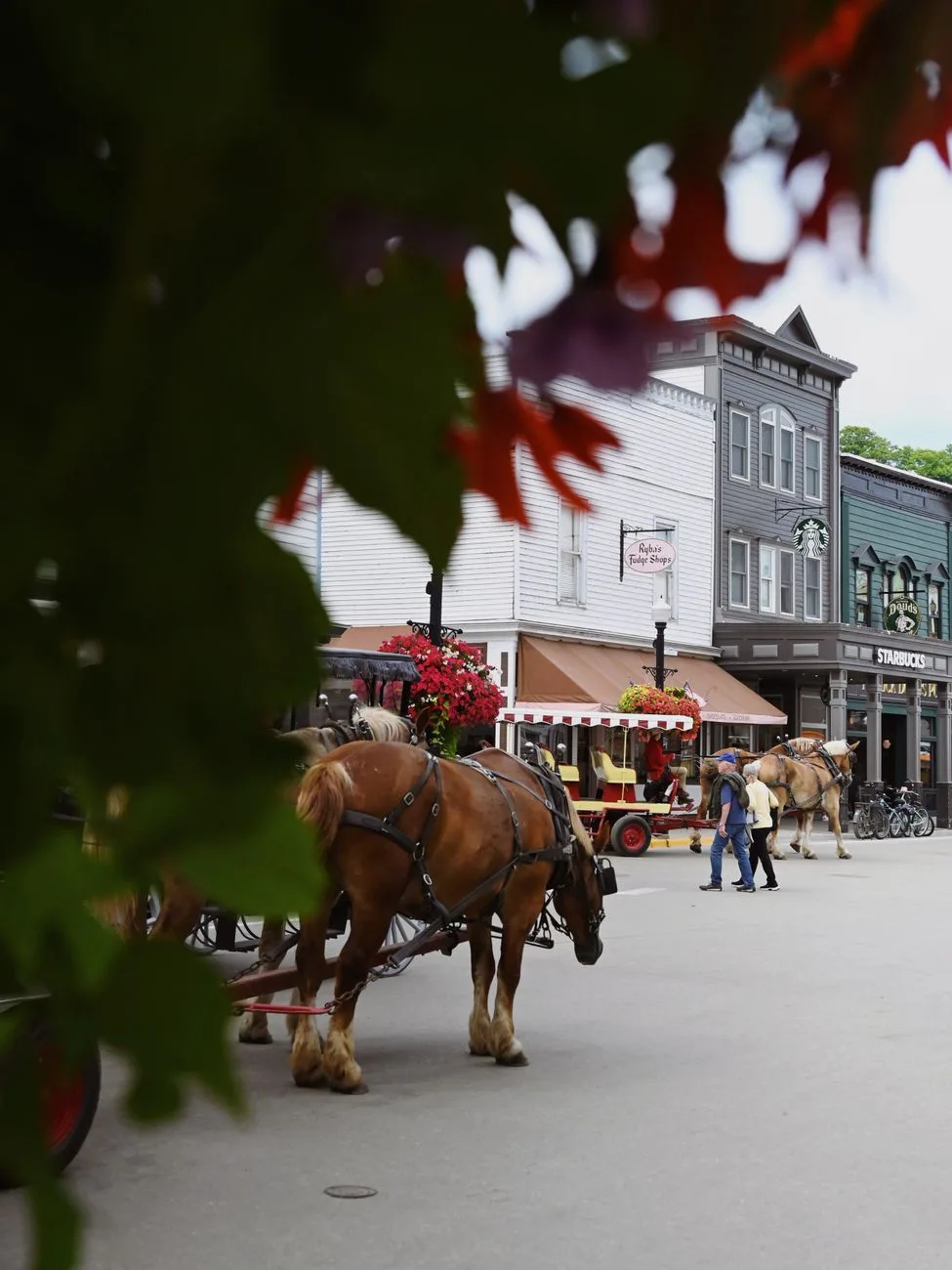
The carriage clipped another carriage’s wheel, toppled, and threw an 18-year-old tourist into Central Park. Romanch Mahajan died in June 2026.
That crash is now the named premise of a statute. City Council Speaker Julie Menin has scheduled a vote for Oct. 22 on Romanch’s Law, a bill that would end New York City’s horse-drawn carriage operations by June 1, 2028. Mayor Zohran Mamdani has agreed to the deal. The industry has run in the park for more than 150 years. The Council is preparing to extinguish it by force of law.
Menin framed the bill as overdue. “Horse-drawn carriages have long been part of New York City’s history, but in an increasingly busy Central Park, this tradition has become a growing public safety liability,” she said. “Next week, the Council will take decisive action by voting on Romanch’s Law to protect New Yorkers, visitors, and the horses themselves…We can honor our city’s traditions while recognizing when it’s time to move forward in the interest of public safety, protecting workers, and strengthening our city’s economic vitality.” The measure already carries 29 sponsors, more than half the Council.
Mamdani confirmed his administration’s support in a social media post. “The horse carriage industry is coming to an end in New York City,” he wrote. “Our administration will make sure workers and owners are protected and the horses are safe.” Sneha Choudhary, a spokeswoman for the mayor, said the office had been working with the Council, union partners, carriage drivers, animal welfare advocates, and community leaders “to deliver a just transition that protects workers while ending horse-drawn carriages in Central Park once and for all.”
The safety case is the bill’s public face, and it is not invented for the occasion. The Central Park Conservancy recorded eight other carriage-related incidents in the park over the 13 months before Mahajan’s death. In May 2026, a carriage horse named Deniz collapsed and died, possibly after eating a toxic shrub. Betsy Smith of the Central Park Conservancy applauded the Council’s move and cast it as a public-safety decision, saying the Conservancy hoped carriages could be phased out “efficiently and humanely so that no one else ever suffers the fate of Romanch Mahajan.” Edita Birnkrant of NYCLASS, which has pressed for a ban for years, took the moment as a win. “This moment belongs to the advocates and supporters who have spent years fighting with NYCLASS to protect horses and people on our city’s streets,” she said. “Romanch’s death was a heartbreaking loss that laid bare the devastating consequences of this deadly industry. We thank his family for turning their grief into a powerful call for change.”
Those arguments deserve to be stated plainly. A death in the park is a real loss. A string of incidents is a real record. Horses and tourists share crowded paths. None of that settles what the statute actually does to people who built lawful businesses under city licenses.
The bill’s own text answers that question with delay and discretion. It requires the administration to develop a workforce transition plan and deliver it to the mayor and the speaker by April 2027. The plan is to include job placement, training, and career counseling, with referrals contemplated toward the MTA, the Port Authority, the city Taxi and Limousine Commission, and the hospitality and tourism sectors. Horses would be barred from sale to slaughterhouses or other carriage companies. On the money that owners actually put at risk, the language softens. The city is told to “consider” financial compensation for carriage owners who spent to buy city-issued medallions and build up their businesses. The phase-out date is fixed. The compensation is not.
John Samuelsen, president of Transport Workers Union International, stated the gap without varnish. “Council Speaker Menin’s bill has no meaningful economic relief for workers,” he said. “It only says the city should prepare a worker transition plan by April 2027 and include weak measures like job fairs and job counseling. It says the city should ‘consider’ financial compensation for carriage owners who spent hundreds of thousands of dollars to buy city-issued medallions and build up their businesses.” He went further on motive. “Council Speaker Menin used the tragic death of a tourist to contrive a public safety crisis,” Samuelsen said. “This is disgraceful political opportunism, and Zohran should not simply go along with it, particularly when immigrant families’ livelihoods are being destroyed. This entire situation is reprehensible.”
That is the conservative stake, drawn from the same record the bill’s sponsors cite. A city that issued medallions, collected the price of entry, and regulated the trade for generations is now writing those investments down to a planning memo and a verb—”consider.” Job fairs and counseling are not a substitute for a working capital stake measured in the hundreds of thousands. A transition plan due in April 2027, while operations are ordered finished by June 1, 2028, puts the shutdown on a harder calendar than the remedy. Limited government does not mean a city may never regulate a park. It does mean that when government ends a lawful trade by statute, it owes more than a promise to think about making owners whole.