




Households bear brain risk as ultra-processed food dominates diets
A Canadian MRI study ties heavy ultra-processed intake to silent brain injury markers, strongest in women. U.S. families already get most calories from these foods; the choice still sits with them.
IJR · Oct 20, 2026 · 5 min read
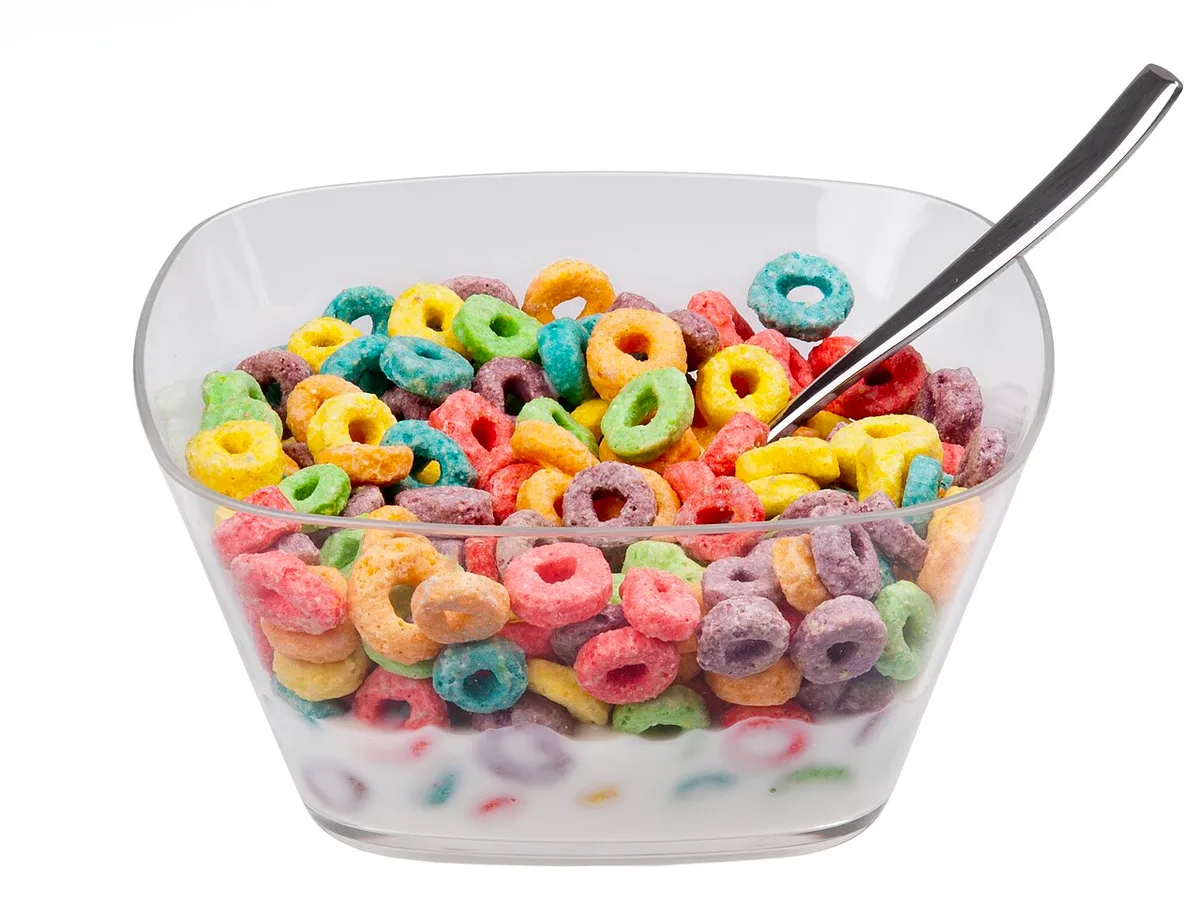
Neurologists reviewed MRI scans without knowing what the subjects ate. In the highest ultra-processed group, vascular brain injury showed up more often. Women in that group were nearly twice as likely to carry the markers as women who ate the least.
The study of 8,783 Canadian adults aged 35 to 69, none with cardiovascular disease, was published October 15, 2026, in JAMA Network Open. Researchers at McMaster University and the Population Health Research Institute drew participants from the Canadian Alliance for Healthy Hearts and Minds and PURE-MIND cohorts. Median age sat near 57 to 58. Diet came from food-frequency questionnaires covering 150 to 170 items over the prior year; foods were sorted by the NOVA system. Scans were read blind to dietary data.
Highest consumers took about 45 percent of calories from ultra-processed foods; the lowest took about 16 percent. Vascular brain injury—covert infarcts often called silent strokes, plus a heavy burden of white-matter hyperintensities—appeared in 11.3 percent of the top group against 8.1 percent in the bottom group, a 40 percent rise in odds. The analysis adjusted for age, sex, ethnicity, income, education, physical activity, smoking, diabetes, hypertension, dyslipidemia, total calories, and study center. Highest consumers also carried about 6 percent more body fat and about 8 percent more visceral fat. Memory and thinking scores on the MOCA and DSST showed no significant difference between groups.
Russell J. de Souza put the relative figure in plain absolute terms. "Put another way, if roughly 1 in 10 people had these MRI findings, a 40% relative increase would translate to about 14 in 100 people rather than 10 in 100 people. The individual increase in risk is modest, but because ultra-processed foods are consumed by a large proportion of the population, even modest increases in risk could have important implications at a population level."
He was direct about what the scans mean. "These MRI findings are considered early warning signs." And: "The finding is concerning because the brain changes we studied are not considered benign." White matter hyperintensities and silent brain infarcts, he said, "are established markers of cerebrovascular disease and have been associated in previous research with a higher risk of future stroke, cognitive decline, and dementia."
The sex split is the line most households will repeat. Women in the highest ultra-processed group were about 80 percent more likely to show the damage markers than women in the lowest group. No significant link appeared in men. de Souza treated that carefully: "Overall, the associations appeared stronger in women, but the reasons remain uncertain. I would view this as an intriguing signal that merits further study rather than a firm conclusion that women are more susceptible to the effects of ultra-processed foods on brain health."
Dr. Sonia S. Anand told CBC that visceral fat "can be almost like a furnace spewing out a whole bunch of inflammatory proteins that then affect our brains." de Souza added the longer arc: "Many of the biological processes that contribute to stroke, cognitive decline, and dementia develop gradually over decades, often before symptoms become apparent."
Michael Hill, a University of Calgary neurologist not involved in the study, said the injuries accumulate and raise the odds of vascular dementia later. Dietary caution, in his view, still matters even if earlier damage cannot be reversed. "Feed your brain," he said. "Eat foods that will rot, but not rotten food."
Fox News headlined the finding straight: "Ultra-processed foods increase brain damage risk, study finds." The same numbers hit American kitchens harder than Canadian ones. From August 2021 to August 2023, ultra-processed foods supplied 53 percent of calories for U.S. adults and nearly 62 percent for children and teens ages 1 to 18, according to the CDC's National Center for Health Statistics. That is not a lab abstraction. It is the weekly cart for ordinary families who stretch dollars and minutes.