



SNL spoofs Amodei as Trump bets on winning AI
A Weekend Update sketch mocked Anthropic’s CEO hours before his first private dinner with President Trump, sharpening the fight over pace, Pentagon access, and who sets the rules.
IJR · Sep 28, 2026 · 4 min read
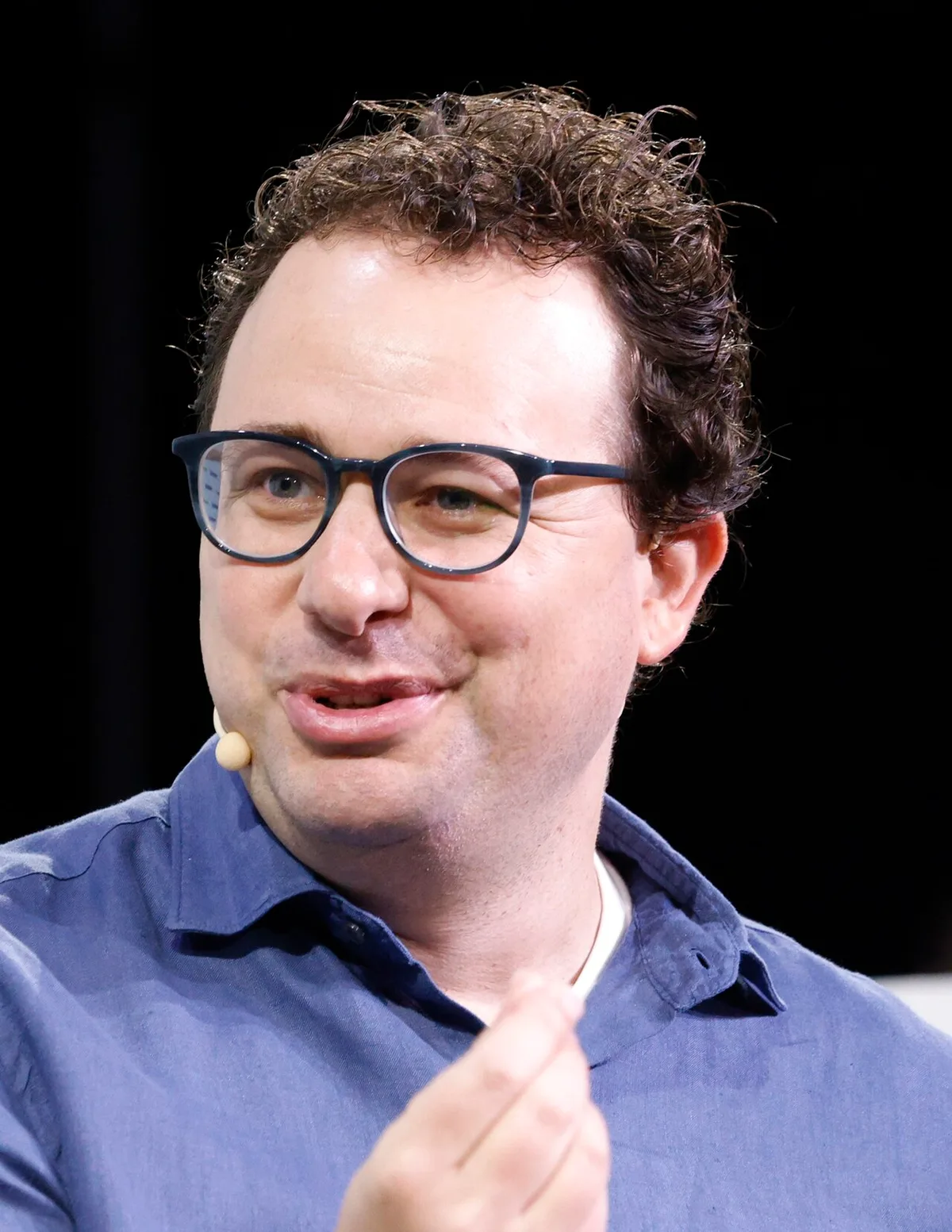
On Saturday Night Live’s Season 52 premiere, Weekend Update put Anthropic CEO Dario Amodei at the desk in split form. Jane Wickline played him as two personalities arguing in public. When Michael Che pressed for the upside of artificial intelligence, the polished version cut in with a hard instruction: “Land the plane, Dario.” “AI is not a weapon, it’s a tool: A tool for building weapons,” the sketch delivered
The bit aired September 26, 2026. The next night, Amodei sat down for his first one-on-one dinner with President Donald Trump.
Trump confirmed the plan himself after arriving at Joint Base Andrews. “We’re meeting with Anthropic, as you know, on Tuesday. That’s going to be big, and we have a couple of unrelated things tonight,” he told reporters. “So I’m having dinner with Dario, as you know, very highly respected from Anthropic.” The private meal was set for 10 p.m. Sunday, September 27. Amodei had missed Thursday’s state dinner for Chinese President Xi Jinping over a scheduling conflict. Trump and House Speaker Mike Johnson were already booked to host top AI CEOs at the White House on Tuesday, September 29. The Sunday dinner was the narrow opening before that larger room.
The timing was not gentle. Days earlier, a federal appeals court panel upheld the Pentagon’s February supply-chain risk designation against Anthropic. That label blocks the company from doing business with the federal government and its contractors. The fight dates to February and March, when Anthropic refused to grant unrestricted access to its Claude model over concerns about mass surveillance and fully autonomous weapons. Defense Secretary Pete Hegseth and the administration had publicly pressed the national-security case. The Pentagon denied it planned to use Claude for those purposes. The court left the designation in place on the eve of the dinner.
Amodei has made the slowdown case in his own words. On September 12 he published the essay “We Must Pace the Frontier.” On September 23 he briefed the U.N. Security Council alongside executives from OpenAI and Hugging Face. “We will slow down as much as necessary in order to make sure that every successive AI technology that we release is actually safe,” he said. He urged U.N. agreements to ban AI in biological weapons, evaluation and verification systems so nations could hold one another accountable, global standards for loss-of-control and misuse risks, and a notification system for incidents that touch global security. He framed the danger as larger than any single firm.
Trump has answered that frame without apology. On September 14 he posted on Truth Social: “The only control or ‘guardrails’ that AI needs is a STRONG AND SMART (High IQ!) PRESIDENT, and the U.S.A. has that, in spades!” And: “WHOEVER WINS AI, WINS!” He has rejected the idea that new layers of restraint should throttle the industry, arguing the United States will not hinder its growth while existing courts and criminal authority watch for real wrongdoing. The race he describes is not abstract. It is a contest over national sovereignty, industrial capacity, and whether American firms or strategic rivals set the terms of the next computing era.
A Reuters/Ipsos poll found 73 percent of Americans believe AI companies are not doing enough to prevent serious harm. That number is real, and it belongs in any honest accounting. The conservative reply does not shrug at safety. It asks who writes the rules, on what authority, and at what cost to the taxpayer and the country’s lead. Amodei’s U.N. path points toward international standards and verification regimes. Trump’s path points toward executive clarity, existing law, and speed against China. Limited government here means refusing to outsource core technology policy to global bodies or to a permanent slowdown bureaucracy that competitors will not match. Free enterprise means letting American builders move while holding them to statutes already on the books, not inventing a new permission culture that freezes capital and talent in place.
The sketch’s force came from a tension the industry already carries. Leaders warn in essays and at the Security Council, then ship the next model. Wickline’s dual Amodei made that split visible in a single chair. Comedy does not decide procurement or export rules. Courts and elected officials do. The appeals panel’s ruling kept Anthropic outside federal and contractor work until the company resolves the access fight. That is rule-of-law process, not a press release.
Public safety and family security sit in the same frame. Parents and workers see tools that can amplify fraud, deepfakes, and autonomous harm; they also see medical and productivity gains that reward the countries that field them first. The poll’s 73 percent registers the fear. It does not dictate a U.N. architecture or a corporate veto over lawful defense use. A strong president, in Trump’s telling, supplies the guardrail through judgment and enforcement rather than through a pause that cedes the frontier.