




Council bans carriages as owners cite blank charter study
New York’s 40-7 vote phases out a 170-year trade by 2028. Owners face lost investments, a blank economic-impact analysis, and no guaranteed pay while the mayor prepares to sign.
IJR · Oct 23, 2026 · 4 min read
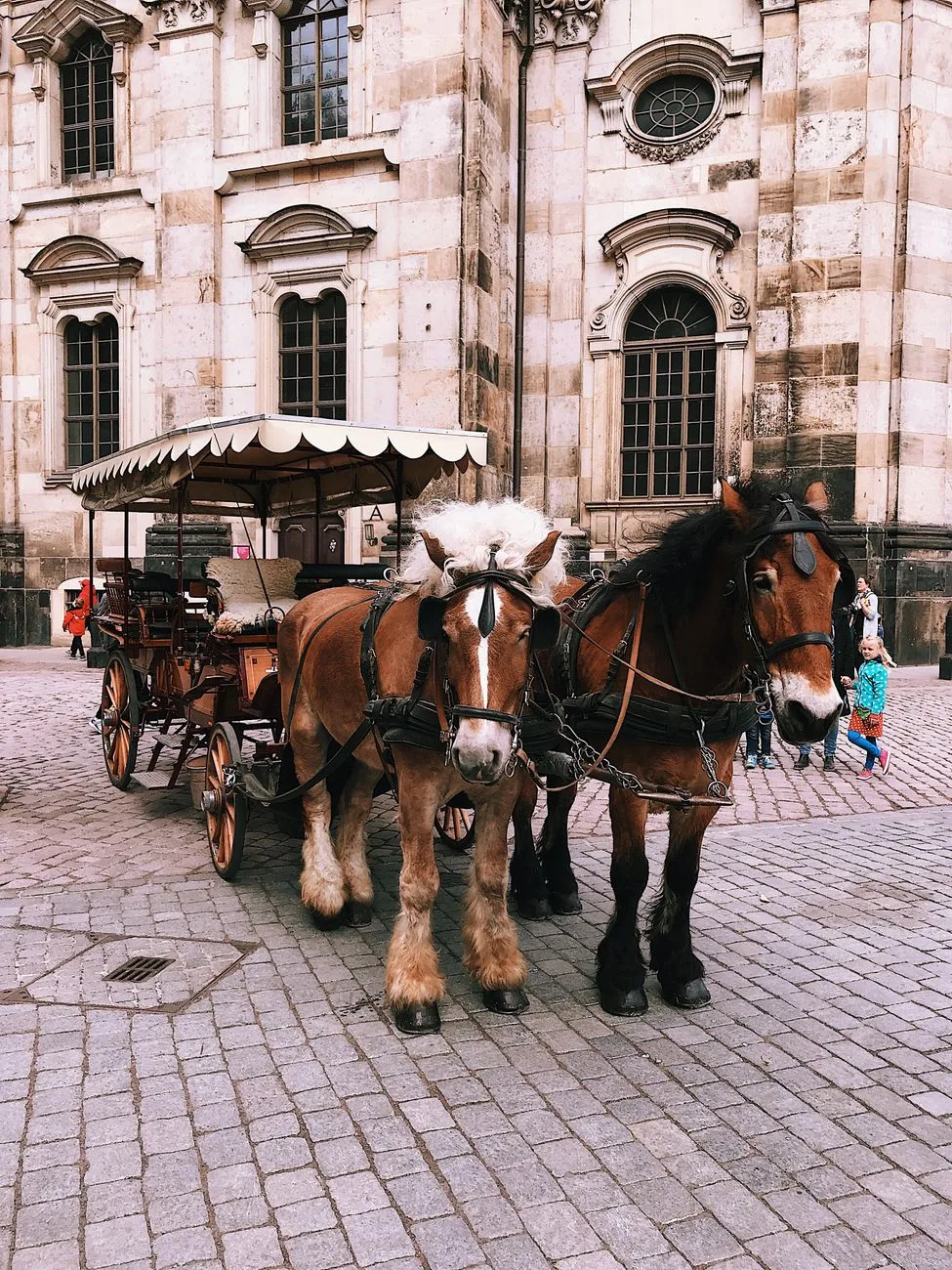
a carriage driver in Central Park stepped away to take a photograph. The horse bolted. The carriage overturned. Eighteen-year-old Indian tourist Romanch Mahajan was thrown while trying to save his mother and later died of his injuries.
That single sequence became the name of the law. On October 22, 2026, the New York City Council voted 40-7, with two abstentions, to pass Romanch’s Law and end horse-drawn carriages by June 1, 2028. An industry that has operated in the park since 1858 now faces a hard close. More than 150 active carriage drivers are affected; the horses number nearly 200.
Gaurav Mahajan, the young man’s uncle, spoke at a rally outside City Hall before the vote. “True justice means recognising that these gentle, majestic horses do not belong on the congested asphalt or trapped in dangerous traffic,” he said. Family attorney Saggar Chadha put the demand in plainer terms: “We want to make sure Romanch’s death was not in vain.”
Council sponsors framed the bill as safety, animal welfare, and worker help in one package. Speaker Julie Menin, discussing the vote on NY1, pointed to volume and risk: forty-two million people use Central Park each year, she said, and carriages run in a crowded space where horses have been spooked and broken free. In a formal statement she added, “Today, the City Council made history. Our landmark vote to pass Romanch’s Law is a demonstration of this Council’s commitment to animal welfare, public safety, and worker protection.” Council Member Christopher Marte, the lead sponsor, said the measure “protects horses and passengers while supporting carriage workers as they move into new livelihoods.”
Mayor Zohran Mamdani’s office stated he will sign: “The mayor will sign this bill, and the Mamdani administration is working every day to ensure we can do so while providing the strongest possible protections for the owners and workers in this industry.” The law requires a transition plan by next April, with referrals toward transit, hospitality, and taxi work. Owners must certify by June 1, 2027, that no horses will be sold or transferred for slaughter or other inhumane purposes. The bill lets the administration “consider compensation” for licenses, businesses, and equipment. It names no guaranteed dollar figure.
Carriage owners and families rallied outside City Hall on Wednesday and Thursday to oppose the bill on those exact terms. Francesco Riccobono told the press he had put real money into a family trade. “I invested $400,000 two years ago to expand my father’s dream, and you’re coming here to steal it.” His wife, Natalie Riccobono, asked for process rather than a phase-out decree: “We are asking for fairness. We are asking for compassion. We are asking for a seat at the table.”
The Transport Workers Union is preparing a federal challenge. TWU lawyer Ben Kallos went to the city charter itself. “They were supposed to figure out what the economic impact was. It’s required by the city charter, and if you pull the economic impact analysis, it’s blank,” he said. That gap is not a side detail. A charter rule that demands an economic-impact study before the city extinguishes licensed small businesses is a basic check on power. When the filed analysis is empty, the council still voted to end the trade, leave compensation optional, and push the hardest questions—what a driver’s license and equipment are worth, how a family replaces a multi-year investment—into a later mayoral plan. Limited government and the rule of law require the opposite sequence: measure the cost first, then legislate. Free enterprise and the taxpayer interest run the same way. A city that can wipe out a working trade without completing the analysis its own charter requires can do the same to the next licensed livelihood when political pressure peaks.
The ban is not new as an idea. The Council first introduced a ban bill in 2007 under Tony Avella. Ryder’s Law in 2022, after the collapse of a carriage horse named Ryder, proposed electric carriages and failed; a November 2025 reintroduction without the electric mandate also failed. Romanch Mahajan’s death supplied the margin that earlier rounds lacked. Supporters state their case in welfare and safety terms and note years of crowded conditions and horse incidents. Opponents answer that one tragedy does not justify shuttering an entire regulated industry without completed impact work or locked-in pay for the people who built it.
President Donald Trump criticized the ban as the loss of a cherished New York tradition, arguing that car accidents in the area do not stop cars from entering the park and that another piece of history will be missed. The Central Park Conservancy has cited the park’s 42 million annual visitors in backing a public-safety case for ending the rides. Drivers and owners continue to say the transition text they have seen is a plan to write a plan, not a concrete path that replaces income or buys out equipment.