




Academics Who Want DEI In Med Schools Dodge And Weave When Pro-Merit Doctor Says Its A Political Agenda
Members of academic medicine gathered in Florida on Friday to debate whether diversity, equity and inclusion (DEI) — or whatever name people decide to call it — should play a role in medical school admissions.
Libby Bandelin · Oct 2, 2026 · 4 min read
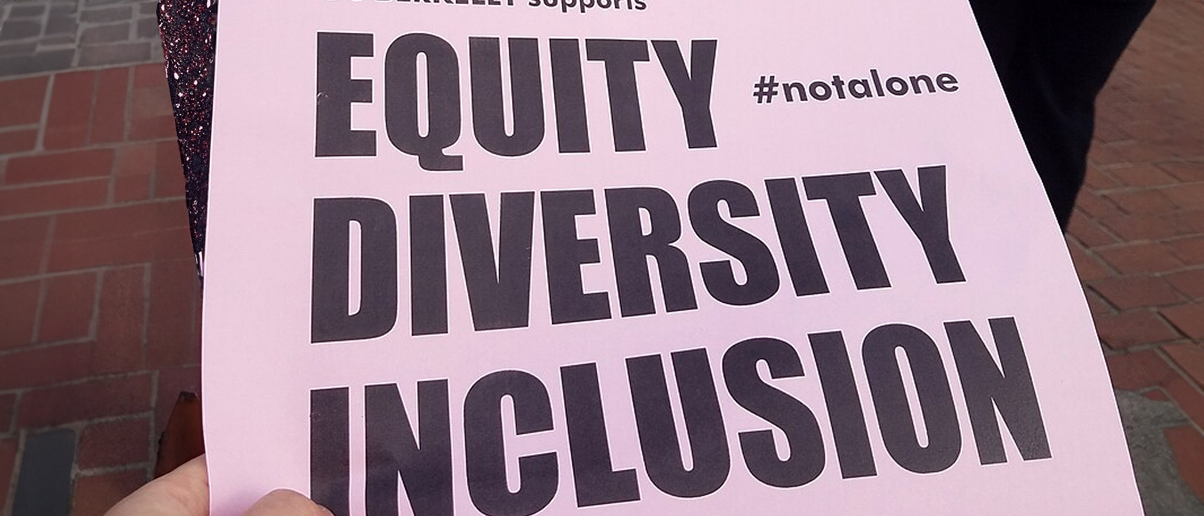

Members of academic medicine gathered in Florida on Friday to debate whether diversity, equity and inclusion (DEI) — or whatever name people decide to call it — should play a role in medical school admissions.
The University of South Florida in Tampa hosted a panel of four experts to share insights from their experiences with the medical school admissions process. The panel debated whether MCAT scores and academic grades should be sufficient criteria for accepting students into a program — or whether race and identity-based factors should also be taken into consideration.
“Only a third of medical school applicants are accepted each year, the criteria that should be valued is keen intellect, strong work ethic, strong moral code, and penetrating curiosity for the study of medicine,” Dr. Stanley Goldfarb, one of the debate’s speakers, said during the event. “Race and ethnicity is irrelevant, unfair, and illegal.”
Goldfarb is the founder of “Do No Harm,” a policy organization working in part to keep identity politics out of medical education, research, and clinical practice. He said diversity-centered approach to admissions is a political agenda and expressed criticism for the criteria the American Association of Medical Colleges (AAMC) uses to select medical school candidates.
Factors that are considered as part of AAMC’s “holistic” approach to selecting applicants include citizenship, distance travelled, relationship status, involvement in cultural events, and sexual orientation, according to its Roadmap to Diversity.
Throughout the debate, other participants steered the conversation away from the idea that some med-school applicants have been favored over others because of their race, ethnicity, or sexual orientation.
Instead of using the term DEI, multiple panelists said they preferred to call their preferred identity-based approach “holistic admissions” — similar to the term used in the AAMC’s Roadmap to Diversity — “inclusive excellence” or “situational judgement.”
“DEI is a term that’s often the basis of what we’re talking about, the basis of a lot of our goals, which is trying to have more diversity in our physician workforce, trying to achieve health equity, trying to have an inclusive environment,” Dr. Bonzo Reddick said during the debate. “But I do want to kind of break down some of those words because a lot of these things are kind of turning to modern day boogeymen when you hear them, right? So you hear a lot of people moving away from the term holistic admissions because it kind of gets juxtaposed against merit.”
Reddick — now the health director of the Georgia Department of Public Health Coastal District — spent six years as the associate dean of diversity, equity, and inclusion at Mercer University in Georgia. He received a Telehealth Equity Catalyst Award from the AAMC in 2023, according to Mercer’s news website The Den.