




Americans Need A 30% Raise Just To Keep Up With Pre-COVID Prices
Americans earning the same salaries they made before the COVID-19 pandemic have lost nearly a quarter of their purchasing power as consumer prices climbed more than 30% through September, according to federal inflation data.
Jack McGeever · Oct 15, 2026 · 3 min read
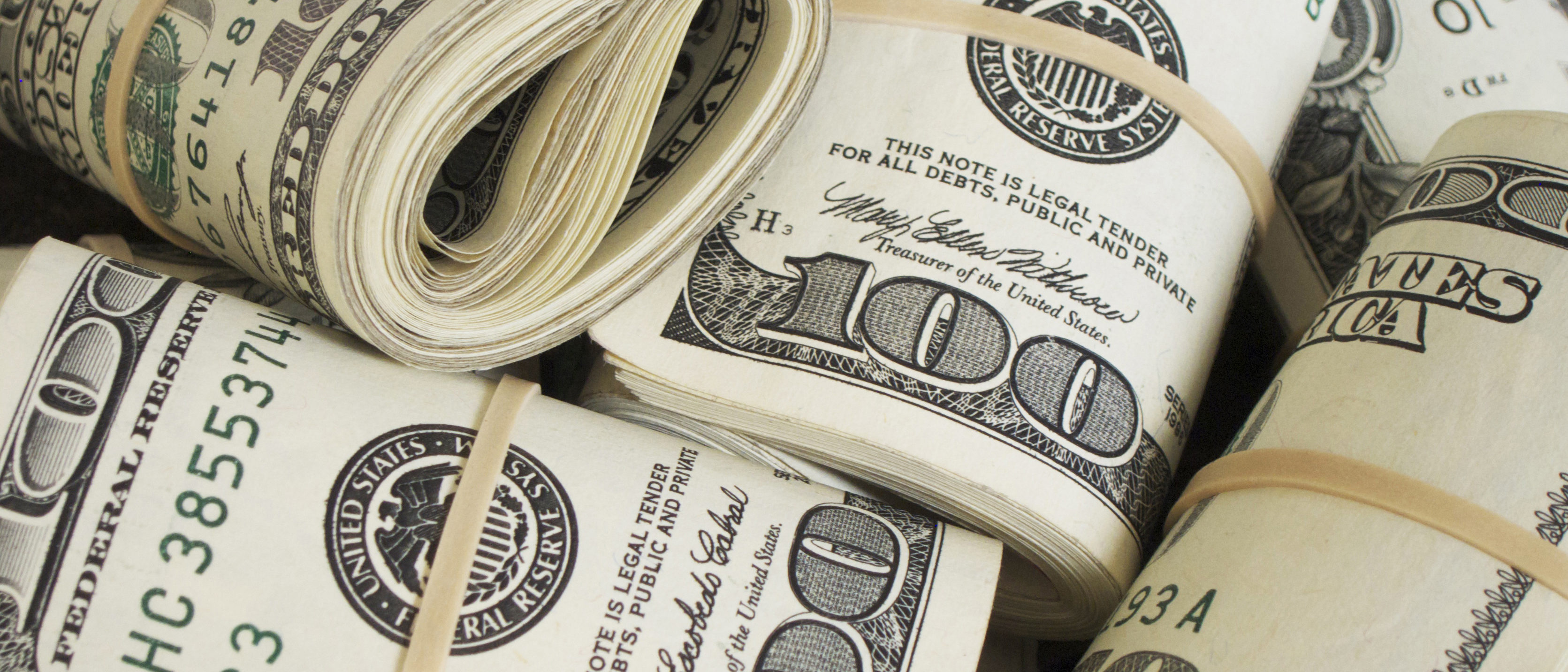

Americans earning the same salaries they made before the COVID-19 pandemic have lost nearly a quarter of their purchasing power as consumer prices climbed more than 30% through September, according to federal inflation data.
A salary of $100,000 in January 2020 would need to reach approximately $130,612 in September 2026 to purchase the same amount of goods and services, according to data from the Bureau of Labor Statistics (BLS). The calculation highlights how years of accumulated inflation continued squeezing American households, even as workers received nominal pay raises that may fail to keep pace with rising living costs.
The Consumer Price Index (CPI), which measures changes in the prices Americans pay for everyday goods and services, climbed from 257.971 in January 2020 to 336.940 in September, representing a cumulative increase of 30.6%.
That means an American earning $75,000 before the pandemic would need roughly $97,959 today to maintain the same purchasing power. A worker earning $50,000 would need approximately $65,306, while someone making $150,000 would need nearly $195,917.
For workers whose paychecks have remained unchanged since January 2020, the purchasing power of those earnings has fallen approximately 23.4%, according to calculations based on federal inflation figures.
The erosion of purchasing power comes as inflation accelerated again in September, with consumer prices rising 3.7% over the preceding year, compared with 3.4% in August.
Gasoline prices surged 9.1% in September alone and were 34.2% higher than a year earlier. Fuel oil prices jumped 74.2% annually, while the broader energy index climbed 20.4%.
The latest inflation report also revealed that Americans’ wages are once again struggling to keep up with rising prices.
Real average hourly earnings, which account for inflation, fell 0.5% between August and September, according to the BLS. Inflation-adjusted hourly earnings declined 0.7% compared with September 2025, meaning average wage increases failed to compensate workers for price growth over the previous year.