




Americans’ Wage Gains Wiped Out By Inflation For 5 Straight Months As Iran War Fallout Continued
American workers lost purchasing power for five consecutive months as inflation continued to eat into wage gains, adding to broader affordability pressures facing households due to the Iran war.
Jack McGeever · Oct 7, 2026 · 3 min read
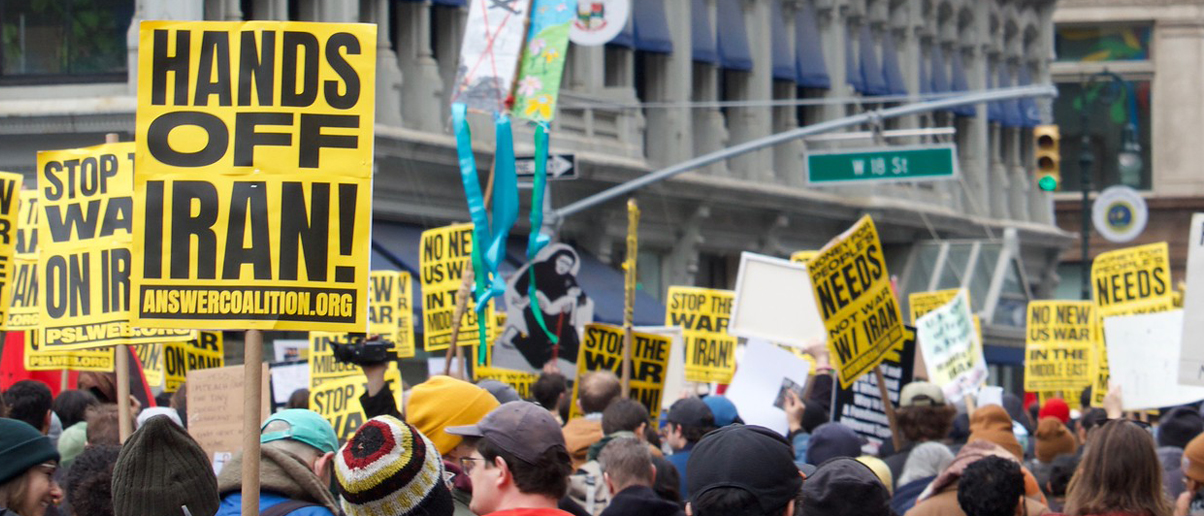

American workers lost purchasing power for five consecutive months as inflation continued to eat into wage gains, adding to broader affordability pressures facing households due to the Iran war.
Real average hourly earnings for private nonfarm employees fell 0.3% from a year earlier in August, according to the Bureau of Labor Statistics’ (BLS)Real Earnings report. September nominal wages, meanwhile, rose 3.0% from a year earlier, down from 3.1% in August, according to data released Oct. 2; inflation accelerated after President Donald Trump launched the Iran war as energy costs surged and pushed up prices across the economy.
The five-month slide marks a reversal from much of 2024 and 2025, when wage gains generally outpaced inflation and workers experienced positive real earnings growth.
“Real wage growth was negative for the fifth month in a row in August,” former Obama administration official Steve Rattner wrote Tuesday on X.
Gasoline prices jumped 3.9% in August and accounted for more than one-third of the monthly increase in consumer prices, while the broader energy index rose 2.1%, according to the BLS. Energy prices were up 16.3% from a year earlier, including a 27.4% increase in gasoline.
Food prices also continued to climb. The food index rose 2.7% from a year earlier in August, including a 2.2% increase in food consumed at home and a 3.4% increase in food away from home. Restaurant prices rose even faster, with full-service meal prices climbing 3.5% over the year.
Trump said in May that Americans’ financial situation was not influencing his negotiations over the Iran war after Daily Caller White House correspondent Reagan Reese asked him whether rising inflation and energy and food prices were motivating him to reach a deal to end the conflict.
“Not even a little bit. The only thing that matters, when I’m talking about Iran, they can’t have a nuclear weapon,” Trump told Reese. “I don’t think about Americans’ financial situation, I don’t think about anybody.”
Americans also faced high debt burdens, with total household debt standing at $18.8 trillion in the second quarter, while credit card balances climbed to $1.26 trillion, according to a Federal Reserve Bank of New York’s report. New delinquencies on credit cards and auto loans also remained elevated.