




Army Looks For Quieter Power As Noisy Generators Risk Giving Troops Away To Drones
American soldiers need generators to run their radios and sensors, but the noise and heat can help enemy drones find them.
Simon August · Nov 8, 2026 · 7 min read
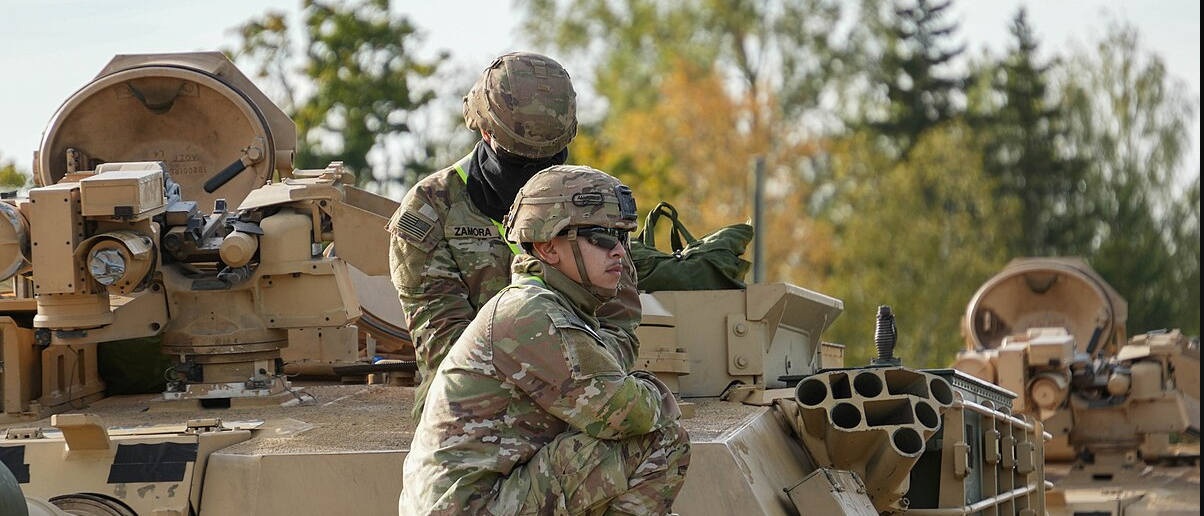

American soldiers need generators to run their radios and sensors, but the noise and heat can help enemy drones find them.
As drones and electronic warfare gear move down to small field teams, the Army and the Pentagon’s Defense Innovation Unit are turning to companies that build hybrid battery systems so troops can shut generators off.
“There’s no way to turn that off, or you’re kind of faced with this really bad decision, which is, you know, turn off the generator, but then lose all of my communications, all of my sensors, right, or leave it on and be a target,” Chariot Defense CEO Adam Warmoth, whose company makes hybrid power systems, told the Daily Caller News Foundation.
Republican North Carolina Rep. Pat Harrigan, who served in Afghanistan as an Army officer and sits on the House Armed Services Committee, said a unit’s efforts to stay hidden are wasted once an enemy drone senses the warmth of its generator.
“You’ve just given away your position,” he said in a statement to the DCNF.
Harrigan added that he is “absolutely interested in funding hybrid generators and battery systems that can take some of that risk off our soldiers” in the next defense bill.
“I want to know how much quieter they are, how long they can operate without resupply, and whether they can handle the demands of a combat deployment,” he said.
Harrigan led Democratic nominee Ashley Bell by about 3,000 votes in the Nov. 3 race for the 10th Congressional District, according to unofficial returns from the North Carolina State Board of Elections. He is set to hang on to his seat despite the nationwide blue tsunami causing a cascade of Democratic flips in the state.
The military’s standard-issue power sources “generate noticeable acoustic and thermal signatures,” which can make it harder for units to operate quietly, the Defense Innovation Unit wrote in a request for portable battery systems that closed in March.