




Big Tech’s AI Debt Deluge Might Be Even Worse Than Previously Reported
Big Tech could be carrying substantially more financial exposure tied to artificial intelligence than investors realize, S&P Global warned Monday as concerns mounted over the debt financing Wall Street's AI boom.
Jack McGeever · Oct 21, 2026 · 4 min read
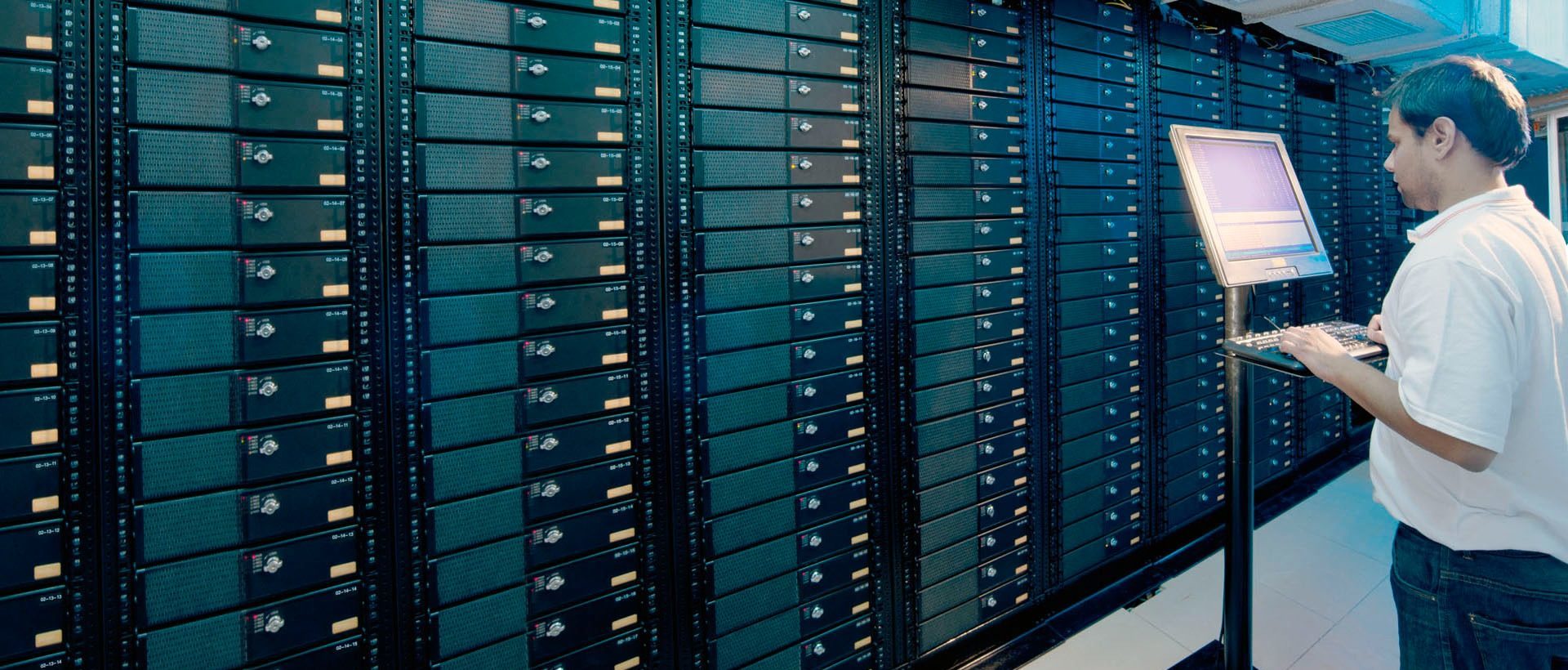

Big Tech could be carrying substantially more financial exposure tied to artificial intelligence than investors realize, S&P Global warned Monday as concerns mounted over the debt financing Wall Street’s AI boom.
Technology companies are increasingly relying on outside investors, financial guarantees and complex financing arrangements to fund their enormous data center expansion. Those arrangements can leave substantial obligations outside conventional debt disclosures, making it difficult to determine who ultimately bears the risk if anticipated AI profits fail to materialize.
S&P Global’s head of digital infrastructure, Mark Habib, warned that interconnected financing arrangements could conceal additional liabilities.
“It is safe to assume that there is more (debt) out there that we are not seeing,” Habib said during a Monday roundtable in London.
S&P estimates that Amazon, Microsoft, Alphabet, Oracle, Meta and SpaceX will collectively spend more than $7 trillion on AI-related capital expenditures between 2025 and 2030. The agency also projected negative free operating cash flow for the group in 2026 and 2027 as investment outpaces internally generated funds.
Technology companies issued as much as $300 billion in guarantees tied to AI data centers and chips over the preceding year, according to a Financial Times analysis. Morgan Stanley analysts separately estimated that seven major technology companies had accumulated more than $3.1 trillion in off-balance-sheet commitments, including leases, purchase agreements and other forms of financial support.
Those commitments are not equivalent to $3.1 trillion in outstanding debt. They nevertheless demonstrate how companies can assume substantial contractual obligations without recording the entire amount as conventional borrowing.
Meta’s Hyperion data center project in Louisiana illustrates the arrangement. The company partnered with Blue Owl Capital on a venture involving approximately $27 billion in development costs, with Meta retaining a 20% ownership stake.
Meta’s SEC filings disclosed approximately $12.3 billion in initial lease commitments and residual value guarantees with a threshold of approximately $28 billion that declines over time. The guarantees could require payments if the property’s value falls below agreed thresholds under specified conditions. Meta said such payments were not probable as of December 2025 and recorded no liability for them.