Book Review: ‘The Truth About Seed Oils’ By Liana Werner-Gray and Cherie Calbom, M.S.
If you had asked me a few years ago what seed oils were, I probably couldn't have given you much of an in-depth answer. That changed in early 2025, when I became much more interested in learning about what goes into the food we eat every day and how to improve my overall health.
Tara Sullivan · Jul 27, 2026 · 4 min read

If you had asked me a few years ago what seed oils were, I probably couldn’t have given you much of an in-depth answer. That changed in early 2025, when I became much more interested in learning about what goes into the food we eat every day and how to improve my overall health.
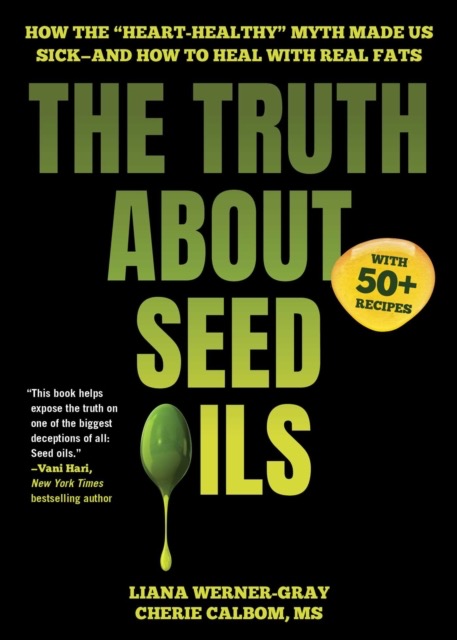
Since then, I’ve realized just how much confusion and conflicting information surrounds the topic of seed oils, making it difficult for the general public to know what to believe. That is exactly why I found “The Truth About Seed Oils” by Liana Werner-Gray and Cherie Calbom, M.S., published by Skyhorse Publishing, Inc., to be such a fascinating read.
The book explores one of the most widely debated topics in modern nutrition: the role of these oils in our everyday diets. It does an excellent job of highlighting just how commonplace they have become in the foods we eat. And spoiler alert — they are in almost everything!
Photo credit: Skyhorse Publishing, Inc.
Reading this book made me realize just how many nutrition messages I had accepted over the years without ever questioning them. I appreciated how the authors encouraged readers to dig deeper and think for themselves. They urge readers to question long-held beliefs about what makes an oil “heart healthy” and to take a closer look at the research behind those claims.
Whether you agree with every point or not, the book definitely pushes you to think more critically about the foods you eat instead of simply accepting what is printed on a label or advertised as “healthy.”
“The Truth About Seed Oils” starts out with informing readers what actually qualifies as a “seed oil,” where these common ingredients actually come from and why they are used so often. From there, Werner-Gray and Calbom take a deeper look at how these oils are processed and why they believe their widespread use has raised concerns for our health. They make the science behind seed oils easy to understand and encouraged me to be more curious about nutrition instead of just believing what’s considered common knowledge.
The book shows how many foods that many people consider harmless often contain seed oils. Even a lot of the meat available in supermarkets could be riddled with these oils. It is clear through this book that avoiding seed oils requires becoming more intentional about reading labels at the grocery store and paying closer attention to the ingredients in the meals we order at restaurants. If you are like the majority of the population who regularly buys packaged foods, there is a good chance you are consuming seed oils on a regular basis without even realizing it.
The authors argue that common health concerns — especially chronic inflammation — can be attributed to seed oils. One of the most eye-opening parts of this book is learning just how deeply they have become woven into our everyday diets and how easy it is to consume them without even realizing it. I will leave the full discussion of the potential health concerns surrounding these oils to the book itself, but I will say that even as someone who had already spent time researching this topic, I was genuinely surprised by how much I learned. Even after doing my own research, I still came across facts and studies that were completely new to me — which is why I think this is a topic more people should be paying attention to.