




Can This New CEO Save BP From Its Own Past?
Amid a series of record and near-record profits being reported by the world’s corporate major integrated oil companies, venerable British major BP announced this week its intent to sell off its position in the UK-governed portion of the North Sea.
David Blackmon · Aug 5, 2026 · 4 min read
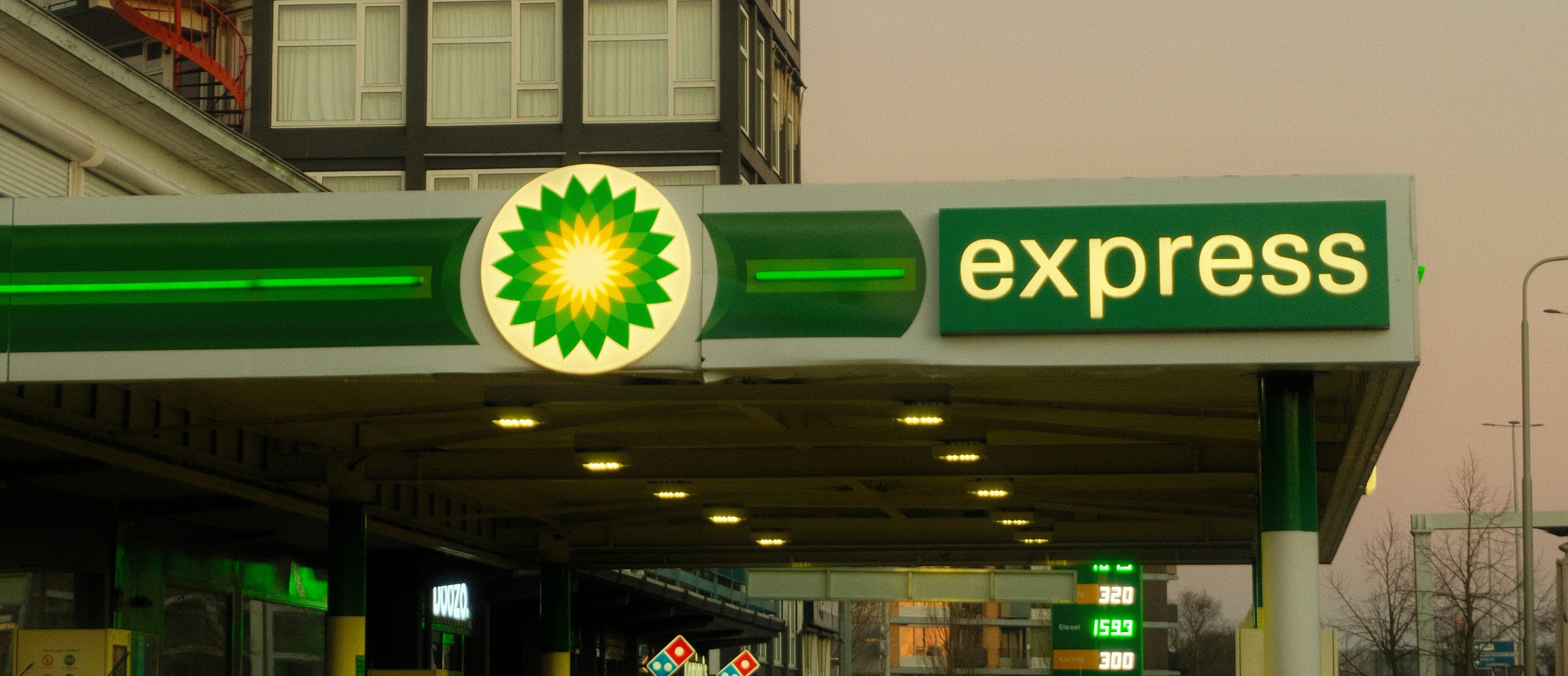

Amid a series of record and near-record profits being reported by the world’s corporate major integrated oil companies, venerable British major BP announced this week its intent to sell off its position in the UK-governed portion of the North Sea.
The move signals an end of a 63-year era in which BP was the first to run seismic surveys in a search for oil and gas resources in 1963, and obtained one of the earliest leases auctioned by the British government in 1964.
For CEO Meg O’Neill, it is also a signal that her management team is intent on making moves from a reality-based standpoint rather than the aspirational, green-narrative-based strategies deployed since the year 2000. That was the year when then-CEO John Browne decided to change the company’s name from British Petroleum to Beyond Petroleum, one of the most in-your-face virtue signals of all time.
Since that move, BP has become increasingly less competitive with former peer companies like Shell, Chevron and ExxonMobil as it strove to burnish its green street cred by targeting a significant share of a shrinking capital base to less profitable wind, solar, carbon capture and biofuels projects.
The company’s gradual decline was dramatically accelerated by its role in the Deepwater Horizon disaster in the Gulf of Mexico in April 2010. That most massive oil disaster in U.S. history was only intensified by the company’s ham-handed PR effort led by then-CEO Tony Heyward, a man who had an almost un-matched propensity for uttering the wrong thing at the wrong time. The tens of billions of dollars the company was forced to pay out over the following decade robbed it of much-needed capital which could have helped it remain an effective competitor.
Next came the three-year reign of CEO Bernard Looney, whose commitment to green virtue signaling made that of Mr. Browne pale in comparison. After Looney had once again frittered away billions of capital dollars on non-profitable green ventures, the BP board brought in Murray Auchincloss to try to close up the wounds amid an industry-wide effort to re-focus major capital investments on core oil and gas ventures.
Auchincloss made progress in that effort, but last December, BP hired O’Neill to become its fourth CEO in seven years and the first woman to head up a major integrated oil company. The task ahead for the former CEO of Woodside Petroleum is a daunting one to say the least. The sale of its North Sea assets only highlights the magnitude of the job.
Although O’Neill hasn’t come right out and said so, it is obvious that the incredibly punitive tax and regulatory structure placed on BP and other British oil and gas companies by the U.K.’s central government played a major role in the decision to divest.
Upon learning of the news, Scotland first minister John Swinney called on new UK Prime Minister Andy Burnham to scrap the country’s windfall profits tax – known as the Energy Profit Levy (EPL) – adding, “It is crystal clear that the UK Government’s destructive tax regime is harming investment and jobs in Scotland – and the new Prime Minister must look at this issue as a matter of urgency.”