




Canada’s Separatists Suffer Crushing Defeat As Voters Reject Independence
Voters in Canada's oil-rich province of Alberta overwhelmingly rejected a proposal to begin separating from the country Monday.
Francis Kapper · Oct 21, 2026 · 3 min read
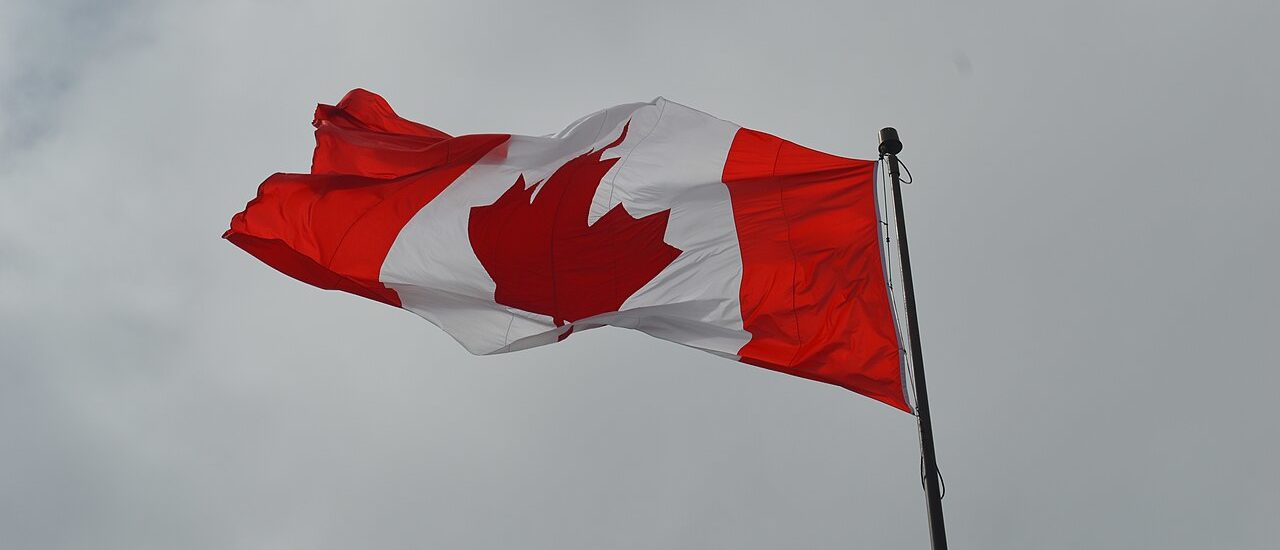

Voters in Canada’s oil-rich province of Alberta overwhelmingly rejected a proposal to begin separating from the country Monday.
About 76% voted to remain in Canada, while 24% supported taking the first legal steps toward a potential independence vote, according to unofficial results from Elections Alberta. The result handed Prime Minister Mark Carney a major political victory while exposing fresh divisions among Alberta’s separatists and conservatives, The Guardian reported.
“Above all, Albertans chose Canada,” Carney said in a statement released by the Prime Minister’s Office.
Nearly 1.9 million votes had been counted when the initial figures emerged, The Guardian reported, citing Elections Alberta. The vote did not ask Albertans to declare independence immediately, but whether their government should begin the constitutional process needed to hold a subsequent binding referendum, according to Elections Alberta.
The separation question was one of 10 put to provincial voters Oct. 19, with the others addressing issues including immigration, public services and provincial constitutional authority, according to Elections Alberta. The province’s election agency plans to publish official results Oct. 29, according to Elections Alberta.
Carney said the outcome would allow Canadians to pursue expanded trade and major infrastructure projects. He also pledged to develop Canada’s energy industry, with Alberta playing a central role.
Alberta Premier Danielle Smith, who leads the province’s United Conservative Party (UCP), also welcomed the outcome, acknowledging that voters had delivered a clear mandate to remain Canadian, according to the Government of Alberta.
“Alberta will remain a province of Canada,” Smith said in a televised address published by the Government of Alberta.
Smith went further, promising not to hold another separation referendum while she remains premier. She nevertheless pledged to challenge Ottawa over provincial powers through Canada’s legal and political institutions.