




China Makes 100 Drones For Every One Built In US As Pentagon Scrambles To Catch Up
China manufactures more than 100 drones for every one produced in the United States, a staggering industrial gap the Pentagon is attempting to close with a proposed $450 million investment in American combat drone manufacturing.
Francis Kapper · Nov 3, 2026 · 4 min read
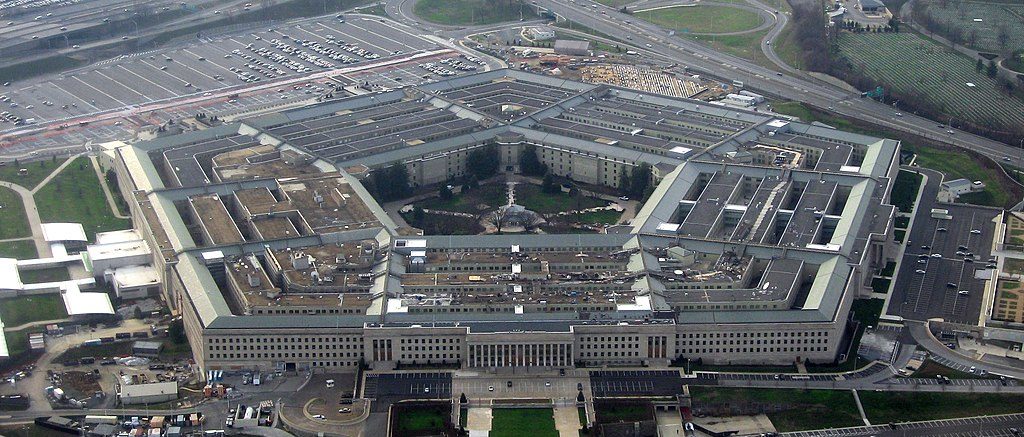

China manufactures more than 100 drones for every one produced in the United States, a staggering industrial gap the Pentagon is attempting to close with a proposed $450 million investment in American combat drone manufacturing.
Chinese companies control approximately 70% of the global consumer drone market and 90% of the American consumer market, according to congressional testimony from former Defense Innovation Unit Director Douglas Beck. Beijing’s overwhelming manufacturing advantage also carries military implications through its military-civil fusion strategy, which allows civilian technological advances to support the People’s Liberation Army, according to the State Department.
The Pentagon announced a conditional loan commitment of up to $450 million Monday to California-based drone manufacturer Neros Technologies, aiming to expand domestic production and reduce reliance on foreign components.
Neros Technologies did not immediately respond to a request for comment.
Neros will contribute another $165 million, bringing the proposed manufacturing investment to $615 million, according to the company’s announcement.
The investment comes as China maintains an enormous lead in producing inexpensive unmanned aircraft, many of which incorporate technologies adaptable for military operations.
China delivered more than 3.17 million civilian drones in 2023, supported by more than 2,300 drone research and manufacturing enterprises producing over 1,000 models, according to the Chinese government’s State Council.
China’s civilian drone industry continued expanding in 2025, reaching approximately 3.29 million registered aircraft, an increase of 51% from the previous year, according to the country’s Civil Aviation Administration.
That enormous civilian industrial base presents a significant strategic advantage for Beijing, whose military-civil fusion strategy seeks to eliminate barriers between commercial technological development and military modernization.