




Congress Gives Mercedes-Benz Days To Explain Its Chinese Investors As Car Ban Push Gains Ground
A ban on Chinese cars appears to be within reach in Congress as House investigators press Mercedes-Benz on who owns it.
Simon August · Nov 28, 2026 · 5 min read
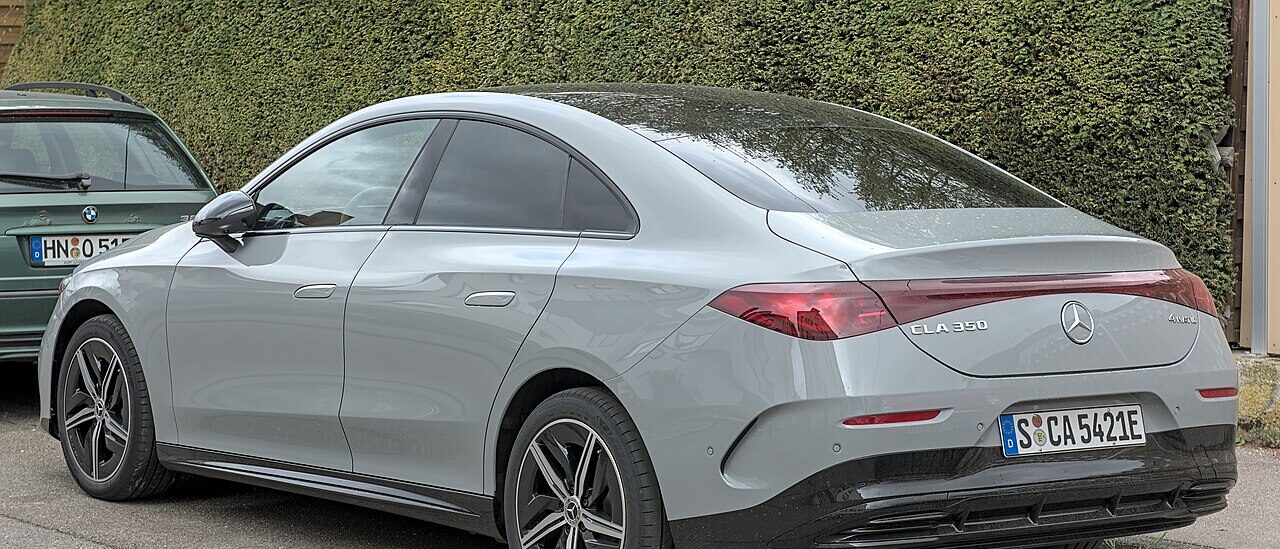

A ban on Chinese cars appears to be within reach in Congress as House investigators press Mercedes-Benz on who owns it.
The House Select Committee on China has given the German automaker until Tuesday, Dec. 1, to hand over records on its relationship with two Chinese investors, which together reportedly own about 20 percent of the company, the panel said in a release on Nov. 17. Supporters of the ban have since reached a deal on changes that would allow Mercedes-Benz and Volvo to keep selling cars in the U.S., and they are just working out the wording now, people familiar with the talks told Politico on Nov. 26.
“These records and responses will not only assist with the Select Committee’s oversight of national security and supply chain risks in the automotive sector, but also inform Congress’s consideration of legislation to mitigate the profound threat presented by PRC cars in the U.S. market,” Republican Michigan Rep. John Moolenaar, the committee’s chairman, and Democratic California Rep. Ro Khanna, its ranking member, wrote in a letter to company executives.
The Connected Vehicle Security Act, led by Republican Ohio Sen. Bernie Moreno and Democratic Michigan Sen. Elissa Slotkin, would bar automakers from selling connected cars in the U.S. if Chinese entities own or control more than 15 percent of the company, according to the version the Senate Commerce Committee reported in September. Automakers that have built cars in the U.S. for at least five years would get until the 2030 model year to comply.
State-owned Beijing Automotive Group and companies tied to Geely founder Li Shufu each reportedly hold nearly 10 percent of Mercedes-Benz, the committee said. The panel also asked for an in-person meeting with company leadership.
“Our shareholders have no management board seats and no management authority,” Mercedes-Benz said in a statement reported by Reuters, adding that the letter had arrived and the company would cooperate.
The Teamsters union urged lawmakers on Nov. 23 to pass the ban before Congress adjourns, Reuters reported.
“The threat that China poses to our safety, privacy, and competitiveness is massive. Chinese automotive companies must not be permitted to access domestic markets, where they can destroy incumbent American businesses,” Teamsters General President Sean O’Brien said, according to Reuters.
Lawmakers also agreed to drop battery language from the final bill, apart from battery management systems, four people familiar with the talks told Politico. Negotiators also agreed to give the ban an end date, three of the people told the outlet. Moreno and Slotkin aim to pass the measure by voice vote in December, the outlet reported.