




Could The Trump Admin’s New Highway Power Plan Lower Your Electric Bill?
The Department of Transportation (DOT) wants to lease highway and railroad land to private companies for power lines it says could lower electricity bills.
Simon August · Sep 5, 2026 · 5 min read
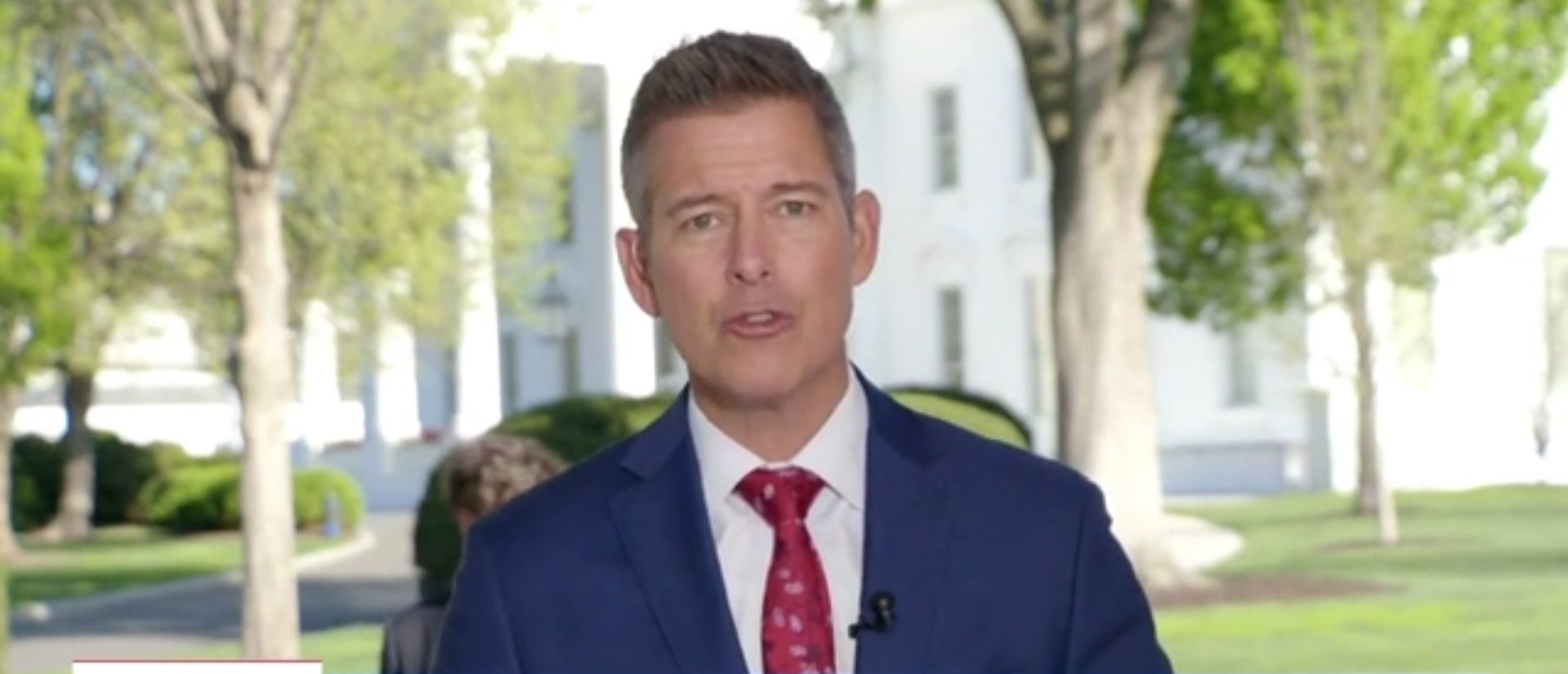

The Department of Transportation wants to lease highway and railroad land to private companies for power lines — a plan it says could potentially save Americans on their electricity bills.
Transportation Secretary Sean Duffy announced America’s Great Corridors of Commerce (AGCC) on Aug. 26 in a press release as a way to speed up construction of transmission lines, fiber-optic cables, water lines and pipelines. The program would reduce infrastructure costs, place “downward pressure on residential user rates,” meaning lower electric bills for households, and generate lease revenue for transportation projects at no additional cost to taxpayers, DOT said in the release and in a request for information (RFI) published Aug. 18.
“By working with the private sector to combine our existing transportation network with transmission lines, fiber optic cables, and other critical infrastructure, we can make energy more affordable and fuel American industry for generations to come,” Duffy said in the press release.
A DOT official told the Daily Caller News Foundation that no corridors have been selected and that the department will run a competitive process to seek expressions of interest from state transportation departments and railroads. Savings would vary project by project, the official said, but clustering data centers and manufacturers along a single corridor would avoid piecemeal grid upgrades and protect “everyday ratepayers from the rate hikes typically needed to fund scattered upgrades,” meaning the cost of those grid upgrades would not be passed on to household electric bills.
The official also referred the DCNF to a Sept. 2 post on X in which Duffy wrote that the country has nearly 161,000 miles of highways and 140,000 miles of railroad track that have already gone through permitting.
“Why not make extra use of the land … as corridors for energy, fiber, other technologies of the future?” Duffy wrote.
The Association of American Railroads (AAR), whose freight members operate roughly 84% of the country’s freight rail mileage, told the DCNF that it is still assessing the initiative and expects to submit comments before the docket closes Sept. 12.
NextGen Highways, a coalition that supports placing transmission infrastructure along highways, did not respond to the DCNF’s request for comment.
State transportation departments and railroads would choose private “Corridor Managers” through public-private partnerships, according to the RFI. The managers would typically receive 30 year to 50 year concessions to build, finance and operate utility tunnels or aboveground infrastructure along transportation rights-of-way, and they would lease space to utility and telecommunications companies and share revenue with the right-of-way owners, the RFI states.