




Current High Energy Prices Were Decades In The Making
It is a common cliché to say that social media and the deluge of content we consume each day have significantly hampered, if not entirely destroyed, our attention spans.
Tala Goudarzi · Oct 1, 2026 · 4 min read

It is a common cliché to say that social media and the deluge of content we consume each day have significantly hampered, if not entirely destroyed, our attention spans. Sometimes it seems like memory itself may be a vestige of a bygone era, when we connected current events to past decisions and, almost like magic, learned to take different actions.
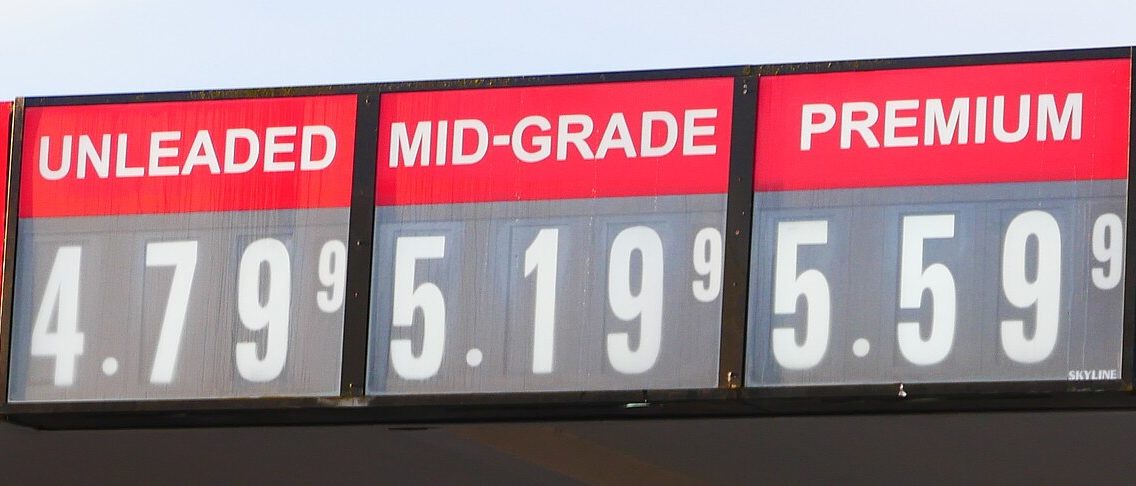
Current high energy prices are blamed on the war in Iran, which started seven months ago. While true, not all cost increases are the result of this relatively new market dynamic.
Numerous federal and state policy and regulatory choices made over more than a decade have played their own roles in current and past pain at the pump.
As recently as 2024, energy was rarely spoken of without its companion “sustainability,” by which advocates meant “transitioning” away from reliable fossil fuels to more intermittent sources (though this last part was not said out loud).
Actions matched that rhetoric. On day one in office, President Joe Biden canceled the Keystone XL pipeline project and was applauded for it. If he had not canceled it, more crude oil would have been brought to U.S. refineries, boosting fuel supplies and supporting lower prices. The Biden administration was overtly hostile to increased fossil fuel exploration and production, taking aggressive actions to strictly limit emissions from fossil fuel-powered electric generation plants, which would have led to numerous baseload plant closures for noncompliance.
Let’s not forget the 2024 LNG [liquified natural gas] export pause, where then-Energy Secretary Jennifer Granholm said that LNG was in the “rear-view mirror,” at CERAWeek, one of the world’s largest energy events. At a time when U.S. LNG companies were stepping in to fill the supply gap following Europe’s divorce settlement from Russian gas, our policymakers decided to hit the brakes.
Then there is the matter of the small refinery exemption (SRE) to the Renewable Fuel Standard, the federal requirement that fuel sold in the United States contain a minimum volume of renewable fuels. Enacted in 2005, this policy has incentivized numerous refineries to keep production below 75,000 barrels per day so they do not have to comply with onerous renewable fuel blending requirements. But good intentions do not make good policy. The program has been mired in overly bureaucratic administration and compliance nightmares, all the while keeping production at SRE-eligible refineries depressed.
There are also a host of state policy actions specifically designed to raise energy prices.
Cap-and-trade programs, which some states have adopted, put a price on emissions which increases fuel costs through refineries having to pay fees for producing gasoline and diesel. Likewise, low-carbon fuel standards, which also exist in a handful of states, add compliance costs and reduce refinery input flexibility, both of which increase your price at the pump.