




Democrats Retake Majority In Senate After Running Competitive Races In Red States
Democrats reclaimed the Senate majority Tuesday after their party's candidates ran competitive races in historically red states.
Nicole Silverio · Nov 4, 2026 · 3 min read
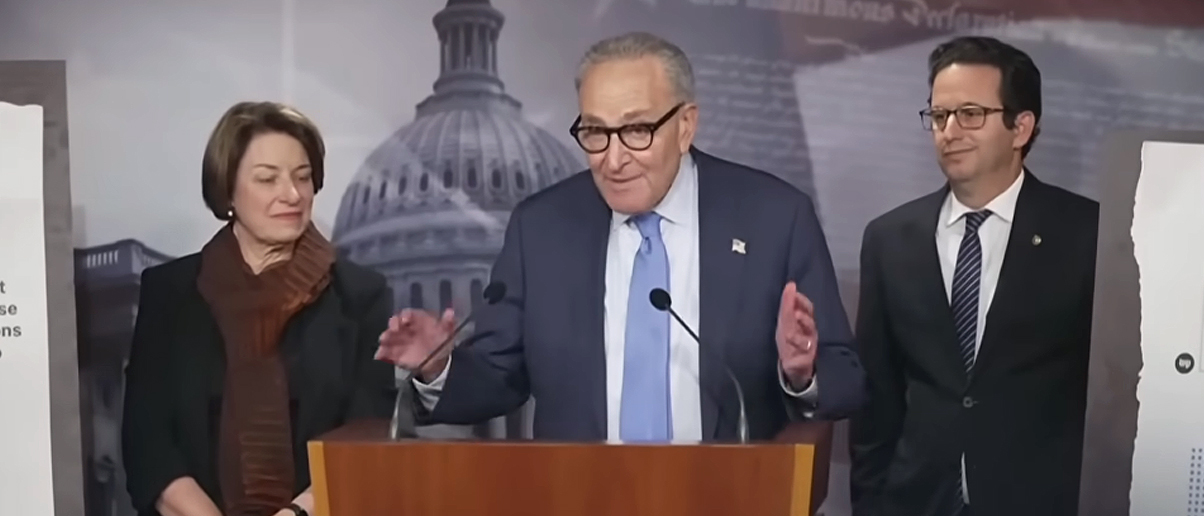

Democrats reclaimed the Senate majority Tuesday after their party’s candidates ran competitive races in historically red states.
Outside groups aligned with Democrats spent money in red states after polls showed their candidates performing better than usual. Polls found that voters overwhelmingly trusted Democrats over Republicans to handle the economy and government corruption, the two top issues in the 2026 cycle.
Democratic-aligned groups spent $133.4 million on political advertisements to support Democratic Texas state Rep. James Talarico.
Republicans spent over $350 million to help Paxton. Tech mogul Elon Musk spent about $212 million to support Paxton, including a $168 million donation to the Senate Leadership Fund, the Senate Republicans’ top campaign arm, which funneled almost all of the cash into pro-Paxton advertisements.
Texas has not elected a Democratic senator since 1988.
Corruption became a top issue for voters in the final stretch before the election. Paxton was accused of misusing the office of the attorney general to protect and assist Austin real estate developer and political donor Nate Paul, who faced federal investigations.
The Republican-controlled Texas state Legislature impeached Paxton in 2023 on bribery and abuse of power charges, although the state Senate acquitted him.
The Senate Leadership Fund invested $14 million to support Republican Kansas Sen. Roger Marshall in a state that has not had a Democratic senator since 1939. The super PAC spent $5 million to help Republican South Carolina Sen. Darline Graham defeat Democratic South Carolina Senate nominee Annie Andrews.
Marshall sued over 700 patients for outstanding debts, leading to 81 arrests, according to The New. York Times. Many of these bills garnished patients’ paychecks and bank accounts after being charged an 18% interest rate. Some of these patients lacked insurance and were new mothers.