




Democrats Sue Over Wind Checks After The Breeze Stopped Blowing Money Into Unfinished Turbines
Democratic-led states sued the Trump administration over offshore wind lease agreements Tuesday — but a new report warns the legal fight highlights a broader problem: whether companies can rely on federal permits even once administrations change.
Paris Apodaca · Sep 22, 2026 · 3 min read

Democratic-led states sued the Trump administration over offshore wind lease agreements Tuesday — but a new report warns the legal fight highlights a broader problem: whether companies can rely on federal permits even once administrations change.
The Joseph Rainey Center for Public Policy released its report, “When Permits Aren’t Permanent,” Monday, arguing that the permitting debate has focused on getting infrastructure projects approved while paying less attention to whether those approvals remain secure after investors commit billions of dollars.
“Critics of the offshore wind buyouts should offer an alternative solution. Stranding capital in projects that face stop-work orders and permitting delays fails the taxpayers, tollpayers, and retirees whose pensions and 401(k)s fund them,” Sarah Hunt, president and CEO of the Joseph Rainey Center — the report’s author — told the Daily Caller News Foundation.
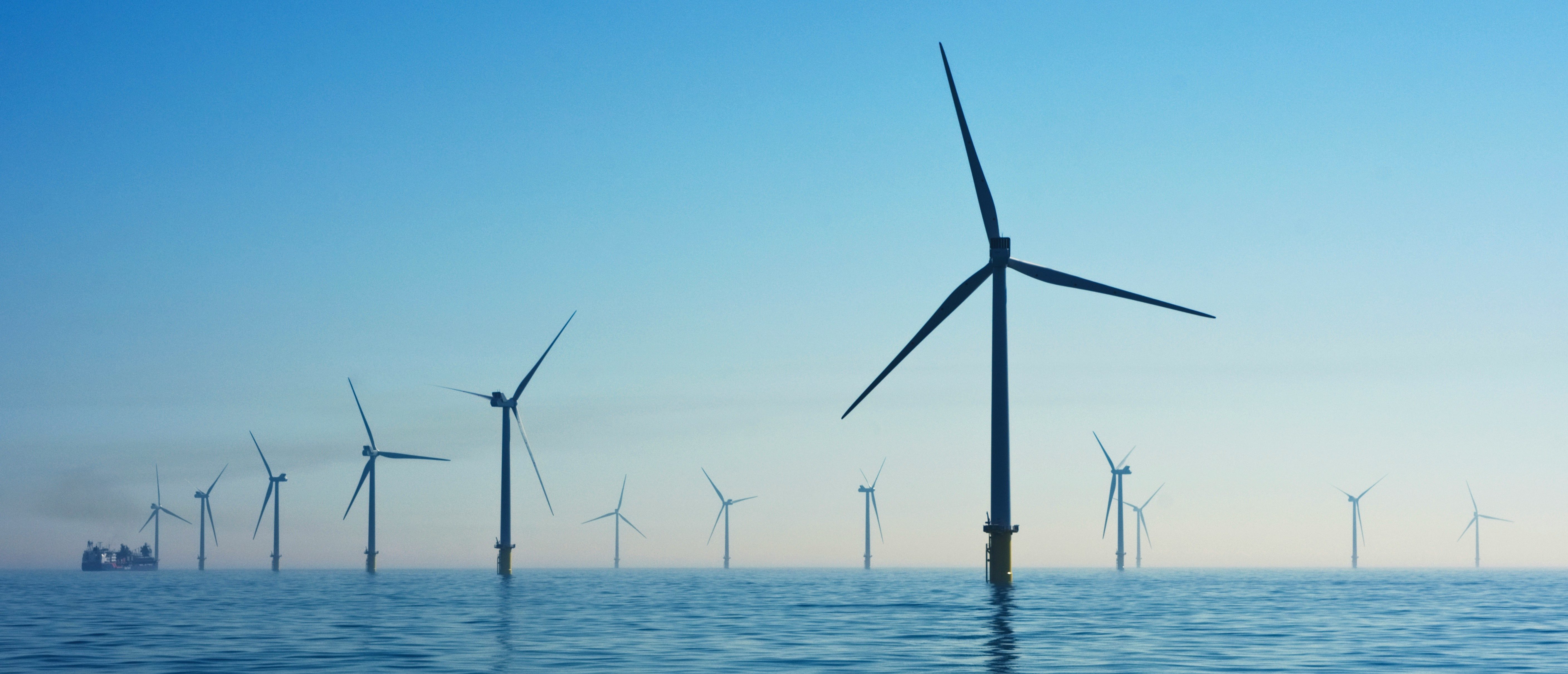
The offshore wind fight illustrates what the report describes as a problem at the “back door” of the permitting process. Even after companies secure federal permits, leases and licenses, projects can face stop-work orders or changes in federal policy before construction is complete.
“Whatever one thinks of a particular technology or administration, the precedent is now both technology-neutral and administration-neutral: one administration’s authorization can be undone by the next,” the report reads.
New York Attorney General Letitia James led Connecticut, Delaware, Maine, Massachusetts, New Jersey, Rhode Island and Vermont in the lawsuits challenging agreements involving Invenergy — North America’s largest private and independent power producer — and Bluepoint Wind, according to the Massachusetts Attorney General’s Office.
Allowing investors to recover their capital and redirect it toward other American energy projects is preferable to leaving money stranded in projects that may no longer move forward, Hunt argued.
“The buyouts aren’t the problem. The problem is that the government can pull a permit after investors spend the money,” she told the DCNF.
“Without durability, faster approval only reduces the time between approval and reversal,” her report states.