




Four States Just Passed Voter ID. What’s Stopping The Rest?
Voters aren’t the obstacle on voter ID. They have proven that again and again, including in an election that went badly for Republicans. The obstacle is the legislators, party officials, and activists who keep waiting for someone else to move first.
Nicole Kelly And Steve Roberts · Nov 20, 2026 · 4 min read
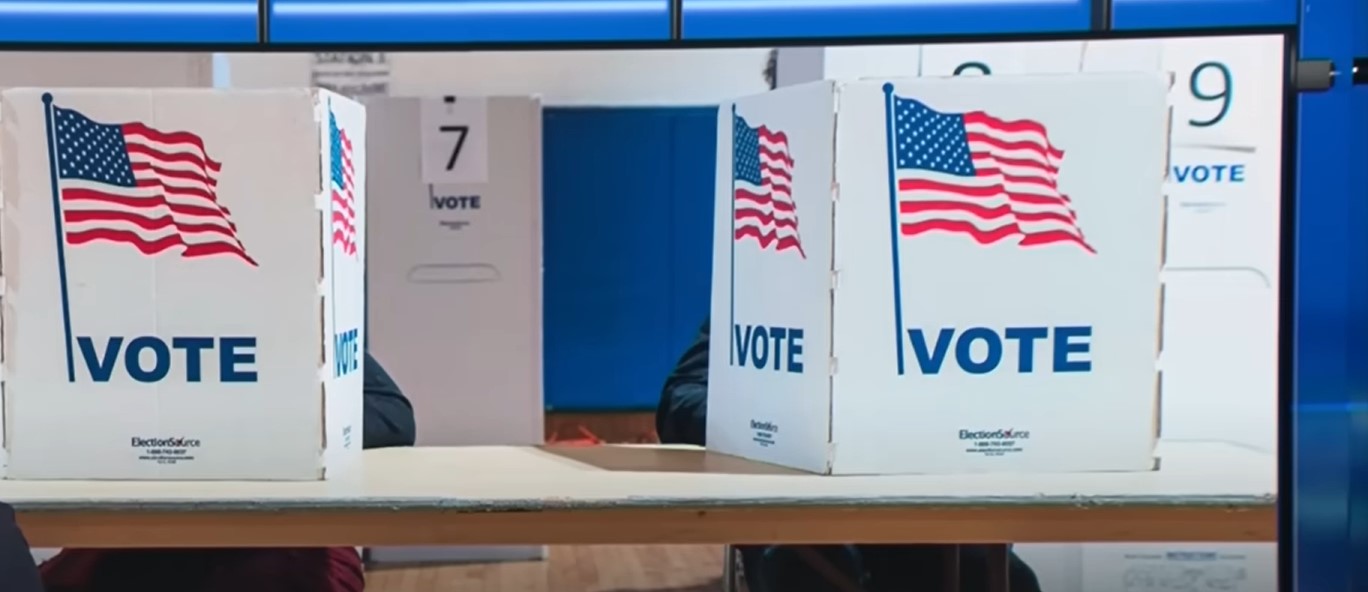

Voters are not the obstacle on voter ID. They have proven that again and again, including in an election that went badly for Republicans. The obstacle is the legislators, party officials and activists who keep waiting for someone else to move first.
Look at what happened on Nov. 3. In Nevada, on a night where Democrats swept the ballot, voters gave final approval to a constitutional photo ID requirement with roughly 62.3 percent of the vote. North Carolina also approved its constitutional amendment requiring ID for all voters with about 60 percent of the vote and Ohio approved a constitutional amendment which places its voter ID laws in the state constitution with about 66 percent of the vote. Even Oklahomapassed its own constitutional change in August, with nearly percent of the vote, enshrining voter ID into the state constitution with the passage of State Question 846.
In Nevada, North Carolina and Ohio, the same voters who voted for constitutional protections of voter ID also elected Democrats statewide. Despite the false narrative from leftist media that voter ID is racist and unpopular, the passage of voter ID reforms point to the actuality that Americans want structural changes to ensure honest, verifiable and trustworthy elections.
Indeed, the polling has said the same thing for years. Pew found 83% of Americans favor requiring government-issued photo ID to vote, including 95% of Republicans and about 71% of Democrats. Yet as of 2025, only 36 states requiredvoters to present any form of ID. A reform this popular should not be sitting unfinished in a dozen-plus statehouses.
If any lawmaker has been wary of touching voter ID for fear of the political fallout, this election should settle the question. The measures did not squeak by on the strength of a Republican wave, because there was no wave. They passed in states that were sending Democrats to the Senate and flipping legislative seats, which means the support for ID runs well beyond any one party’s voters. A constitutional change that wins by double digits in a bad year for Republicans is not a liability. It is about as safe a vote as a legislator will ever be asked to cast.
Nor is there any use waiting for Washington. Democrats won both houses of Congress and the SAVE America Act, which would have imposed voter ID nationwide among other commonsense requirements like citizenship verification, passed the House but stalled in the Senate. Whatever realistic hope conservatives had of a federal fix has run out, at least for the forthcoming 120th Congress. What remains is the arrangement the Constitution set up from the start, in which the states run elections and the voters in each state decide what rules they want. And as Nevada showed, voters do not have to wait for their legislators to agree. The Nevada initiative gathered hundreds of thousands of signatures from all 17 counties and forced the extremely popular issue to go directly on the ballot to the voters. There is more than one way to get this done.
The only way that does not work is doing nothing.
That is not to say every attempt will succeed. California voters rejected Prop 39, which would have required photo voter ID for both in-person and mail voting. Colorado and Arizona rejected similar measures. But, a failed campaign is just a reason to write a different ballot measure and learn from the last effort. It is no reason to stop trying.
Four states did not wait for permission. Yours does not have to either.