




Here’s How The Army Detonating Tons Of Toxic Lead Could Affect Midwest Farmers
Hundreds of farmers in the Midwestern U.S. sheltered in place as the Army detonated roughly five tons of degraded lead azide barrels at the Iowa Army Ammunition Plant the morning before Thanksgiving.
Libby Bandelin · Nov 29, 2026 · 9 min read
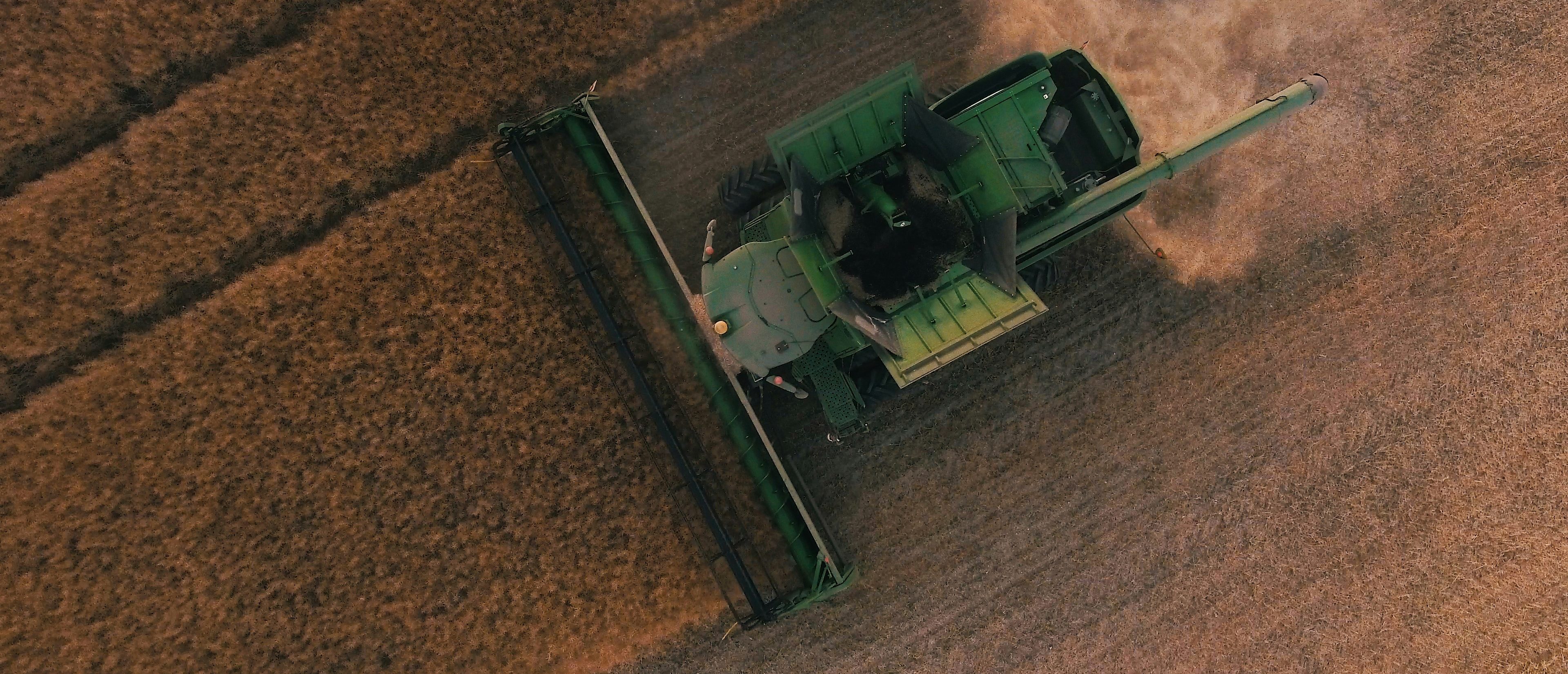

Hundreds of farmers in the Midwestern U.S. sheltered in place as the Army detonated roughly five tons of degraded lead azide barrels at the Iowa Army Ammunition Plant the morning before Thanksgiving.
Approximately 350 farms across the region in southern Iowa and northern Missouri might be impacted in the near future by the cloud of lead dust set off from the Army-controlled detonation of the explosives, according to a U.S. Department of Agriculture (USDA) worst-case scenario projection from Tuesday — the day before the blast. But preliminary data collected by the Environmental Protection Agency (EPA) in the hours after the blast showed a detection of 0.0 percent airborne lead in the atmosphere.
“What we don’t want is what happened for 20 years, where a problem delayed became a problem multiplied,” Iowa farmer and former Republican nominee for Iowa governor Zach Lahn told the Daily Caller News Foundation in an interview. “All things considered with what we faced today, they did it the best way they possibly could. We still need soil samples and water samples and to make sure there’s remediation done where it needs to be done but a likely far more detrimental scenario was avoided and we should call a win a win when we have that.”
Lahn brought attention to the situation in the days leading up to the planned Army detonation of toxic explosive materials on X after hearing about it from his campaign stakeholders — family and friends of farmers in the area —who were going to be impacted by the detonation, including one family who lived two miles away from the blast site.
“Many people in Iowa are connected to that area of the state,” Lahn, who lost the Nov. 4 gubernatorial election to Democratic Gov.-elect Rob Sand, told the DCNF. “And across the whole state we have the fastest rate of cancer anywhere in the country, so the last thing we need is another environmental exposure issue.”
The controlled detonation was initially set for Friday, Nov. 20. Health and Human Services Secretary Robert Kennedy Jr. called Lahn — known for his advocacy for Kennedy’s Make America Healthy Again (MAHA) movement — late Thursday night, Lahn told the DCNF. The farmer said that the secretary had put him in contact with White House officials to discuss the situation and other potential action plans.
“They were fact-finding,” Lahn told the DCNF. “Trying to know what I am hearing, and then they went off and built the team.”
Lahn credited new White House Chief of Staff Stephen Miller with holding off the blast until agencies could muster more efforts to mitigate the exposure of lead. Miller replaced former Chief of Staff Susie Wiles two days after the midterms, which have been widely characterized as a “blue tsunami.”
“I believe his [Miller’s] conversations to bring this to the highest levels were part of the catalyst for the delay and the delay is what allowed for the extra mitigation put in place,” Lahn told the DCNF. “No amount of lead is acceptable for humans to be encountering and they are fully committed to preventing that issue.”