




Here’s What Fed Rate Hike Means For Your Wallet
The Federal Reserve’s Wednesday interest-rate hike could make carrying credit-card balances and taking out some new loans more expensive, while potentially delivering slightly higher returns to savers.
Jack McGeever · Sep 16, 2026 · 3 min read
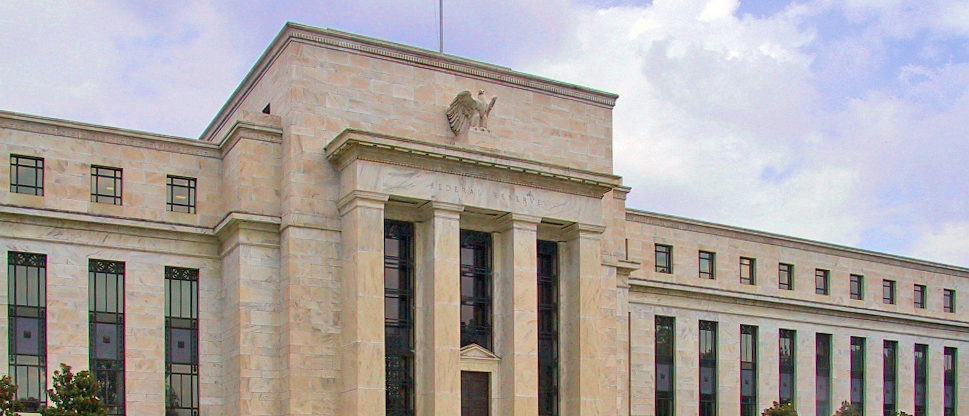

The Federal Reserve’s Wednesday interest-rate hike could make carrying credit-card balances and taking out some new loans more expensive, while potentially delivering slightly higher returns to savers.
A quarter-point increase will lift the Fed’s target rate to 3.75% to 4%, but the effects would not reach every household bill at the same speed. Variable-rate debt tends to respond first, while mortgage and auto rates depend on other factors including Treasury yields, lender competition and borrowers’ credit profiles.
The federal funds rate is the overnight rate banks charge one another, not a rate consumers pay directly. Banks nevertheless use changes in the Fed’s benchmark as a basis for other borrowing costs, allowing a rate hike to filter into household finances.
Credit cards and home-equity lines
Credit-card borrowers would likely feel the effects quickly. Most cards carry variable annual percentage rates tied to the prime rate, which banks commonly adjust following changes in the federal funds rate.
The average rate on credit-card accounts that incurred interest was 22.15% in May, according to the Fed’s consumer-credit data. A quarter-point increase would add roughly $25 in annual interest on a $10,000 balance if a lender passed through the full increase and the borrower made no principal payments.
Home-equity lines of credit also commonly carry variable rates, meaning existing borrowers could see payments increase after their next reset. Existing fixed-rate personal loans would not change, though rates on newly issued loans could rise.
Mortgages
Homebuyers should not expect mortgage rates to increase by exactly a quarter point.
Thirty-year fixed mortgage rates are influenced more heavily by longer-term bond yields, particularly the 10-year Treasury, and can move before the Fed acts as investors adjust expectations for inflation and monetary policy.
The average 30-year fixed mortgage stood at 6.76% on Sept. 10, up from 6.71% the previous week, according to Freddie Mac. Adjustable-rate mortgages can respond more directly to changes in interest rates after their introductory periods end, depending on the terms of the loan.