




Here’s Where The Battle For Election Integrity — After Weeks Of Setbacks — Is Now
The world's most prominent democratic republic celebrates its 250th anniversary Saturday, ending a week many election integrity advocates would rather forget.
Anthony Iafrate · Jul 4, 2026 · 8 min read
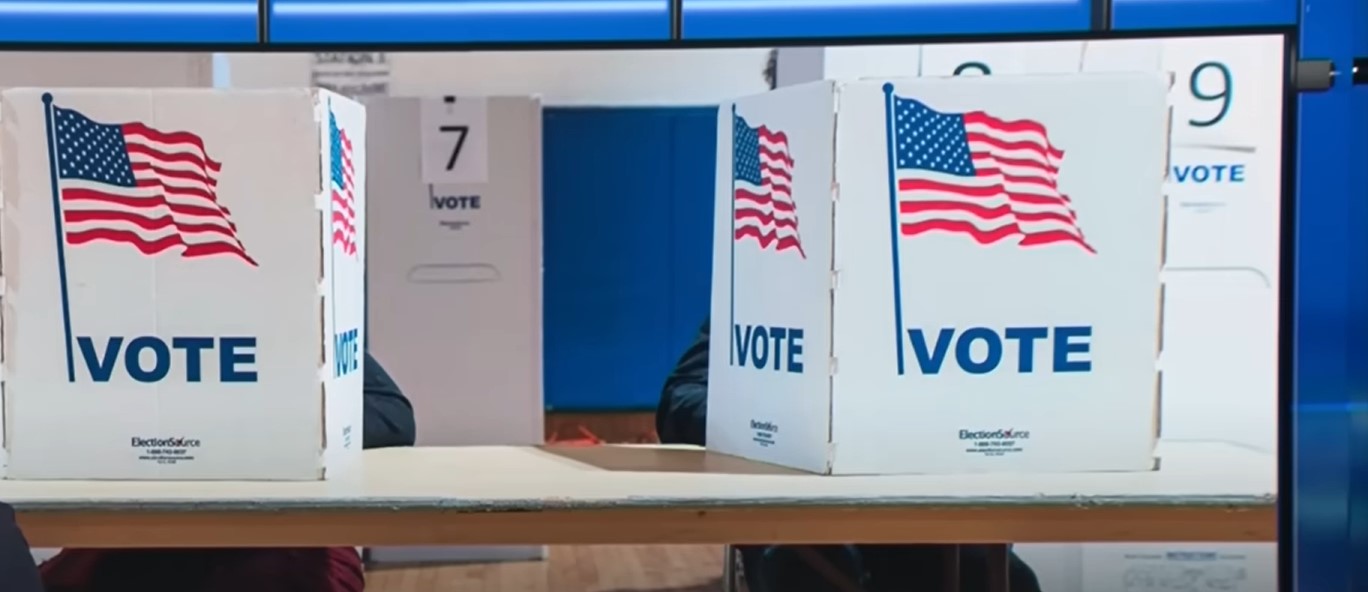

The world’s most prominent democratic republic celebrates its 250th anniversary Saturday, ending a week many election integrity advocates would rather forget.
The Supreme Court ruled Monday in Watson v. RNC that states can count non-military mail-in ballots received days and even weeks after the closing of polls. Later that same day, supporters of stricter election laws suffered another legal defeat as Alaska’s highest court ruled that a Senate candidate with the same name as the lawmaker he is trying to oust can remain on the ballot.
At the same time, the SAVE America Act — which would require voter ID nationwide and proof of citizenship for voter registration — remains held up in the Senate with an uncertain path ahead.
Jason Snead, the executive director of Honest Elections Project (HEP) Action, told the Daily Caller News Foundation (DCNF) in an interview there is “no excuse for any state to continue to allow late ballot deadlines, especially not conservative states.” He singled out Mississippi, West Virginia, and Texas, who are among the 14 states that count mail-in ballots received after Election Day.
Snead said that, while he was disappointed by the surprise 5-4 outcome of Watson, it serves as a good reminder the “Court isn’t going to save us from these bad policies.”
“We have to do that ourselves, that’s what democracy is all about,” he added.
“These laws that set ballot-receipt deadlines beyond Election Day are a creature of state law. If a state legislature can enact them, then a state legislature can repeal them,” Snead told the DCNF. “You’ve got a few red states that have done that already. You know, this past year you had Kansas, Ohio, Utah — all passed laws to get rid of these late ballot periods. You got a few more red states that have been a little stuck in the mud.”
“I think it’s time to look at your law and to repeal those statutes, at least as it goes to people that are voting here within the United States,” he continued. “You can make an argument about military deployed overseas — that’s a different category — but here, if you live down the street from a polling place, there is no reason at all that you can’t get your ballot in by Election Day.”
Snead also pointed out the Watson ruling marked the first time a coalition of Chief Justice John Roberts, Associate Justice Amy Coney Barrett, and the Court’s three liberal justices formed the majority in a 5-4 ruling. Barrett, an appointee of President Donald Trump, wrote the opinion upholding the late ballot deadlines.