




Here’s Why Drones Are In And Main Battle Tanks Are Out
Say goodbye to the main battle tank, and say hello to the first-person-view drones that are dominating them across the globe.
Francis Kapper · Sep 7, 2026 · 5 min read
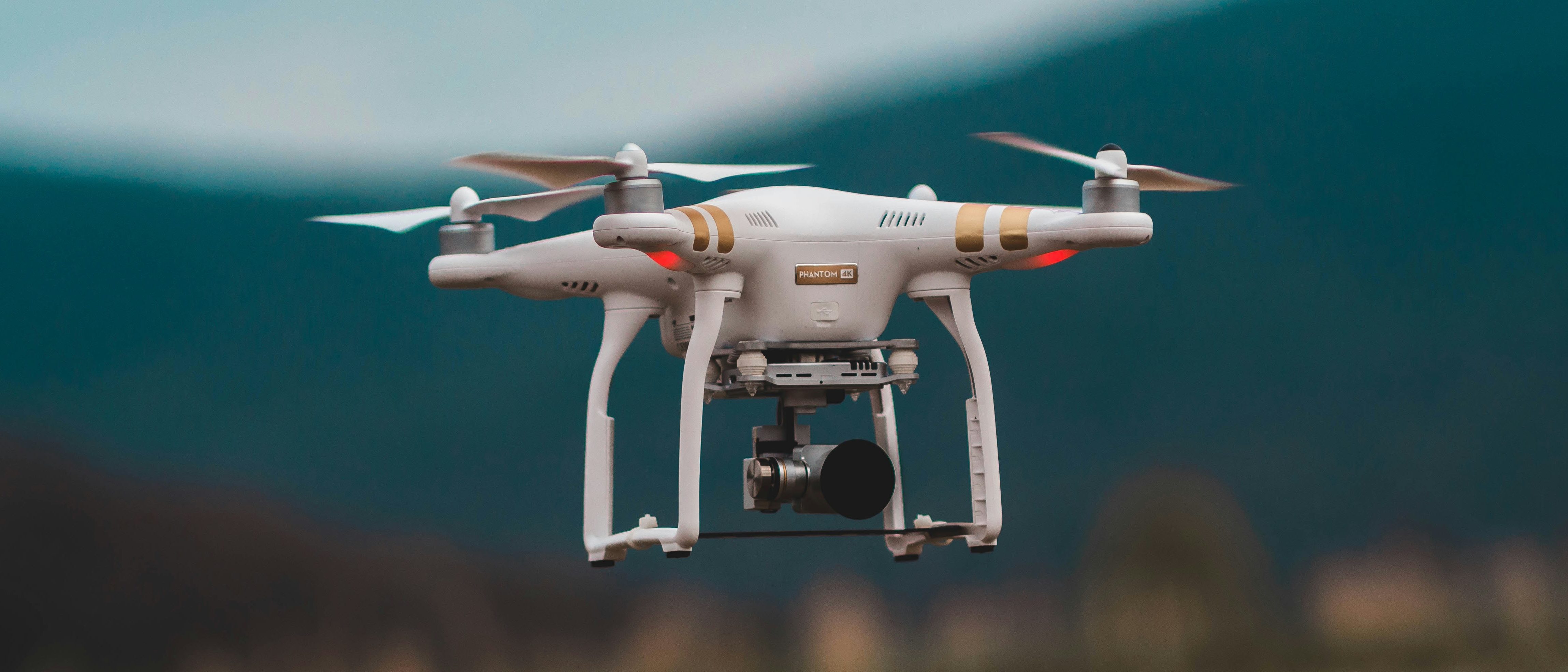

Say goodbye to the main battle tank, and say hello to the first-person-view drones that are dominating them across the globe.
For decades, military analysts have said that the tank is dead, but recent developments in military technology may have finally put the nail in the coffin for these armored beasts. The rapid development of first-person-view (FPV) drones has allowed for individual soldiers to destroy tanks worth millions of dollars with a single explosive charge, targeting the weakest points in the armor profile of these expensive pieces of military technology.
These drones fly by at breakneck speeds, identify potential targets such as trucks, troops or tanks, and then dive down directly on top of their victims. Most prominently, this new technology has been battle-tested in the Russo-Ukrainian War and the Israeli invasion of Lebanon.
The Ukrainian military frequently releases videos on X depicting exactly what these drones look like in action when used against Russian tanks, such as the T-90.
However, this new technology goes both ways. Pro-Russian accounts on X have similarly released unverified videos of Russian drones destroying Ukrainian tanks, such as the T-72. The Russian and Ukrainian militaries both use similar equipment, leading to skepticism from both sides as to what is actually depicted within these videos.
The U.S. military is working quickly to adopt this new technology, which is being pushed to new heights by companies such as Anduril, an AI (artificial intelligence) focused defense manufacturer.
Anduril recently published a video on X showcasing the Altius-700, a rocket-assisted long-range FPV drone in a winged configuration, rather than the typical quadcopters seen in the FPV videos shown above.
Anduril did not respond to a request for comment.
The Pentagon is currently working to implement anti-tank FPV systems that strengthen infantry units without the immense cost of legacy precision munitions such as the Javelin missile, which costs more than $100,000.