




It’s Time For Accountability At The National Academies Of Science
Jason Isaac · Aug 19, 2026 · 4 min read
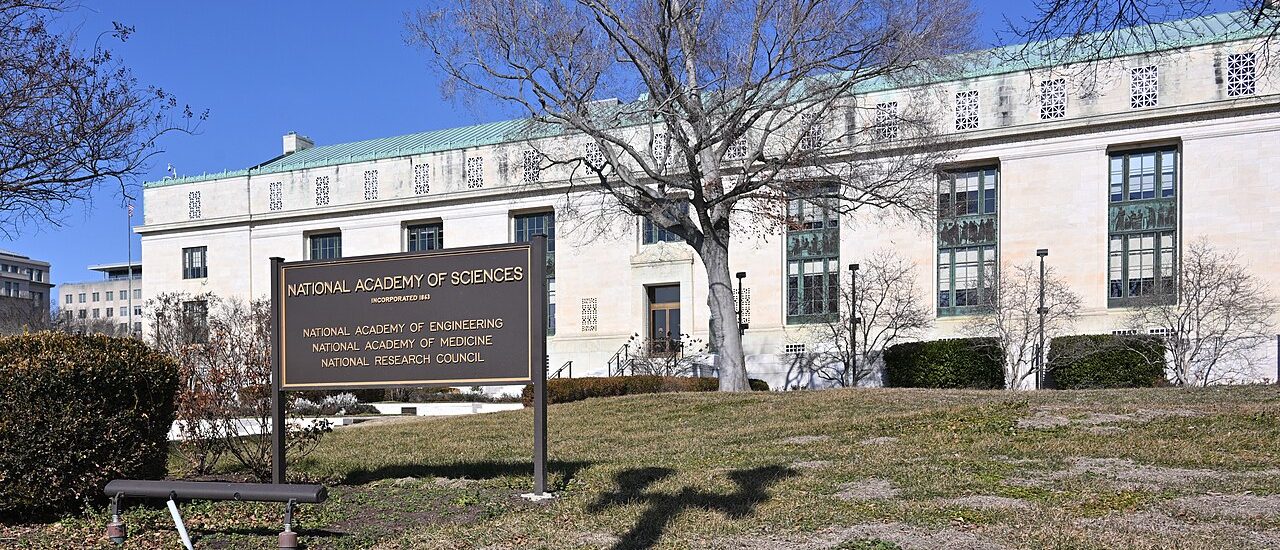

After six long months of pressure from state attorneys general, Congress, and even President Donald Trump, the National Academies of Science has finally withdrawn a controversial climate science chapter used to educate the federal judiciary. They removed it while conducting an independent review and it should stay that way because conflicts of interests are obvious.
The chapter was included for the first time in the Fourth Edition of the Reference Manual for Scientific Evidence, co-published alongside the Federal Judicial Center, and was authored and influenced by attorneys who are publicly supporting the plaintiffs in climate litigation against American energy companies. This is a clear conflict of interest and an overt attempt by climate activists to bias judges towards pro-plaintiff interpretations of scientific methods.
Unfortunately, the NAS remains intent on continuing to use flawed processes, and just last month published a climate attribution report where the litigation section was heavily influenced by the same attorney whose fingerprints were all over the judicial training manual.
That attorney is Michael Burger: a legal research scholar at the Columbia Law School, Of Counsel at Sher Edling LLP and counsel of record for the plaintiffs in Honolulu’s active climate lawsuit.
Burger presented during public meeting of NAS’s attribution science committee on the “Use of Attribution Science in Legal Contexts,” during which he disclosed that he is “actively involved” in Sher Edling’s cases against American energy companies. Sher Edling operates largely on contingency fees, meaning the firm and Burger stand to receive multi-million-dollar payouts from favorable rulings in the very cases that NAS attribution findings could influence.
That should have been enough to strike Burger’s comments from the record considering that NAS’s conflict-of-interest policy states that the organization develops and communicates its advice “free from undue influence from sponsors, donors, or other interested parties.”
Instead, Burger is listed in the report’s acknowledgements among individuals that “assisted” the authors and staff “in their task to create this report.”
Blatant disregard for an objective process is becoming a pattern at NAS. Burger was also an official reviewer and reported ghostwriter of the climate science chapter in the FJC and NAS scientific reference manual.
Attribution science has been questionable from the beginning. Developed to support litigation, it purports to show how climate change makes extreme weather more likely or more severe, but activists and plaintiffs’ attorneys have been conspiring for years to stretch the science to link global, historical emissions to individual companies.