




Major Crypto Bill Crumbles In Senate
The Senate failed Tuesday to pass a major cryptocurrency bill in a procedural vote after the industry advocated for its passage.
Nicole Silverio · Sep 15, 2026 · 4 min read
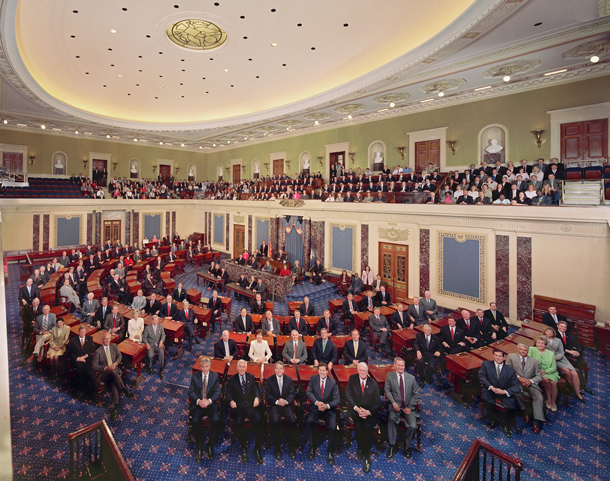

The Senate failed Tuesday to pass a major cryptocurrency bill in a procedural vote after the industry advocated for its passage.
The Digital Asset Market Clarity Act fell short of the 60-vote threshold in a 49 to 50 vote after Democrats and Republicans could not agree on an ethics provision. The crypto industry lobbied for the legislation, which would provide a regulatory framework for cryptocurrency and digital assets, while the banking industry opposed the bill.
Republican Sens. Tim Scott of South Carolina, Cynthia Lummis of Wyoming and John Boozman of Arkansas brought the legislation to the chamber after it passed the House. Some senators, including Republican Sens. Josh Hawley of Missouri and John Curtis of Utah, expressed concern over the legislation’s impact on banks, particularly while the banking industry opposed the bill.
Hawley vowed he would vote with his constituents who were “very worried” about the bill’s effect on community banks.
“I’m going to vote with my state on this,” Hawley said. “I can tell you that my state right now — agriculture folks, local community people — are very, very worried about the effect on community banks. They are blowing me up over it.”
The legislation would establish the nation’s first comprehensive regulatory framework for the cryptocurrency sector by splitting oversight of the industry between the Securities and Exchange Commission (SEC) and the Commodity Futures Trading Commission (CFTC). It includes consumer protections to prevent platforms from collapsing without consequence and sets rules on how crypto could be used for traditional consumer assets like mortgages and loans.
President Donald Trump and most congressional Republicans supported the Clarity Act. No House Republican voted against the bill when it passed the House on July 17, 2025, in a 294 to 134 vote.
Democrats demanded an ethics provision be included to crack down on Trump’s ability to profit off of his family’s crypto businesses. Republicans said they made 126 changes Democrats asked for, including the ethics provision to prevent the president, vice president, members of Congress and federal judges from issuing and sponsoring digital assets.
Democrats sent a counterproposal Monday, arguing the changes were not enough, according to CoinDesk. They argued the updated language would block state attorneys general from directly bringing lawsuits against the U.S. president and that the Office of Government Ethics could issue a notice allowing senior government officials to continue their crypto business ties.