




Not Everyone At Fed Was Gung-Ho About Keeping Rates Steady: Here’s Why 2 Dissenters Bucked The Crowd.
Federal Reserve Gov. Lisa Cook and Cleveland Fed President Beth Hammack broke with their colleagues Wednesday, voting to raise interest rates as the central bank opted to hold borrowing costs steady despite persistent inflation.
Jack McGeever · Oct 28, 2026 · 3 min read
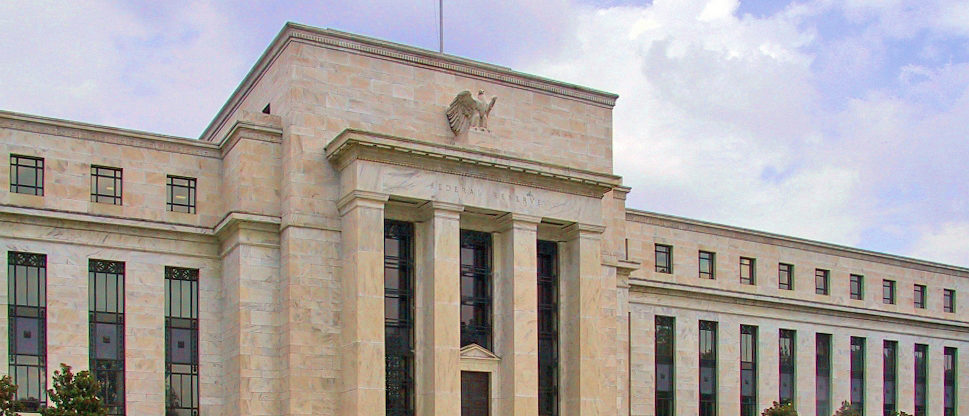

Federal Reserve Gov. Lisa Cook and Cleveland Fed President Beth Hammack broke with their colleagues Wednesday, voting to raise interest rates as the central bank opted to hold borrowing costs steady despite persistent inflation.
The Federal Open Market Committee (FOMC) voted 10-2 to maintain its benchmark interest rate at a range of 3.75% to 4.00%, with Cook and Hammack instead favoring a quarter-percentage-point increase, according to the Fed’s official statement. The dissenting votes underscored disagreements over how aggressively policymakers should respond to rising consumer prices, particularly as elevated energy costs and resilient economic growth complicate efforts to return inflation to the Fed’s 2% target.
The split marked Cook’s first dissent as a Fed governor and Hammack’s second since July, when she also supported raising rates to combat inflation. Both officials favored additional monetary tightening Wednesday, while the majority concluded that gathering more economic data before another rate increase was appropriate.
Inflation reached 3.7% annually in September, with gasoline prices rising sharply amid the war with Iran. The Fed’s decision to leave rates unchanged followed September’s quarter-point increase, its first rate hike since 2023, as American households continued to face higher costs for fuel and everyday necessities.
Hammack had repeatedly warned that prolonged inflation could become embedded in the economy, making it harder for the Fed to bring prices under control. In an Oct. 12 speech, she argued that inflationary pressures were spreading beyond individual sectors and that policymakers risked needing more aggressive action if they waited too long.
“With each passing month, persistently elevated inflation raises the risks of an inflationary mindset becoming entrenched in the economy,” Hammack said.
Cook similarly expressed concern about persistent inflation, particularly the effects of higher energy prices and the rapid expansion of artificial intelligence infrastructure. In a Sept. 28 speech, Cook pointed to inflationary pressures from the AI buildout, oil prices and supply chain disruptions associated with the Iran war, while arguing that the labor market remained strong enough to withstand higher borrowing costs.
“This increase was to address inflation, which has been too high for too long,” Cook said of the Fed’s September rate hike.
Cook’s dissent also attracted attention because President Donald Trump has sought to remove her from the Federal Reserve’s Board of Governors over allegations of mortgage fraud, which Cook denies. Trump has repeatedly pushed the central bank to lower interest rates, placing his administration at odds with Cook’s vote Wednesday for an additional increase.