




Pentagon Cuba Planning Expands As Army Reserve Surveys Troops For Possible Deployment
The U.S. Army Reserve is assessing whether it can provide additional troops to U.S. Southern Command within three to four months as American military planners continue examining possible operations involving Cuba.
Francis Kapper · Sep 25, 2026 · 7 min read
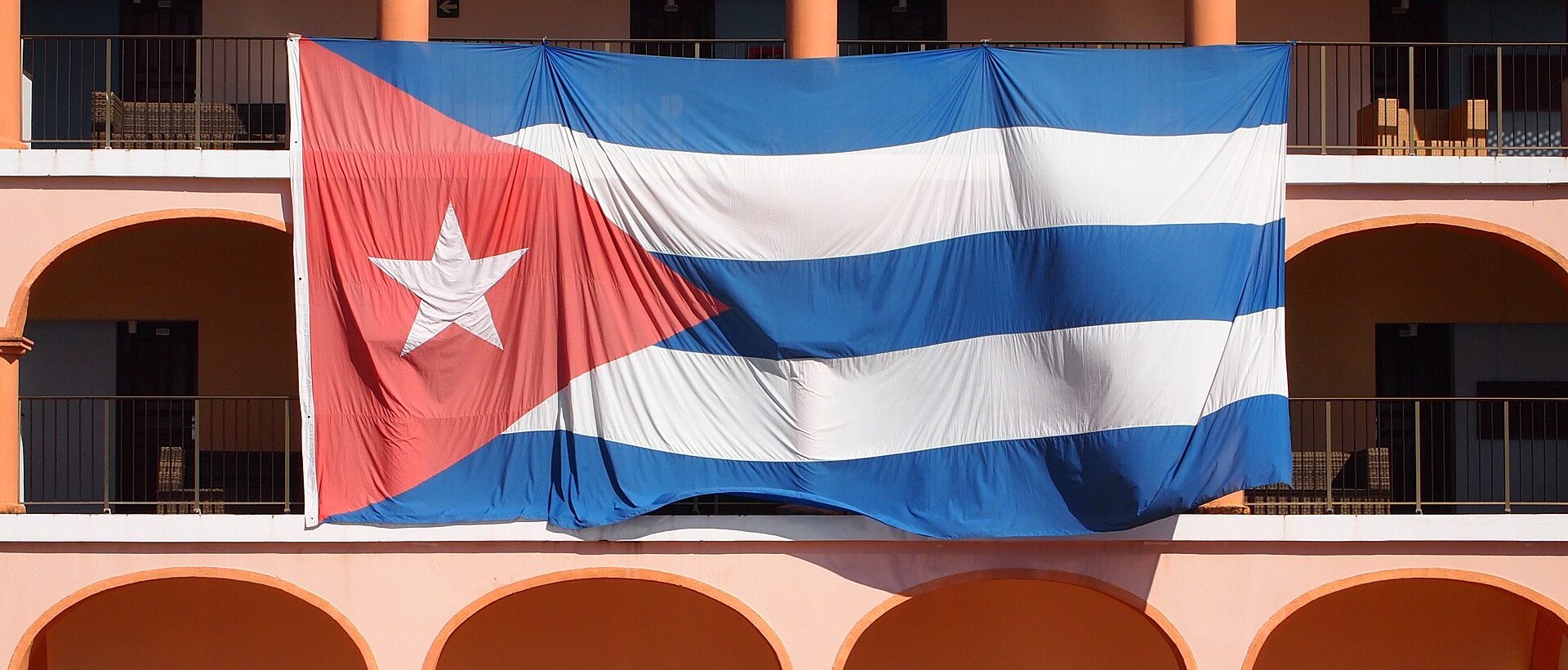

The U.S. Army Reserve is assessing whether it can provide additional troops to U.S. Southern Command within three to four months as American military planners continue examining possible operations involving Cuba.
Army Reserve headquarters asked subordinate commands to identify the possible availability of six types of formations that could fall under SOUTHCOM authority and may be needed within 90 to 120 days, CBS News reported Friday, citing an internal Army message and multiple U.S. officials. The document does not mention Cuba or identify a specific operation, but multiple U.S. officials told the outlet the request is connected to continued military planning focused on the communist-controlled island.
“This sounds like planning for an invasion and occupation of Cuba, rather than a leadership decapitation or limited air strikes,” William LeoGrande, professor and dean emeritus of American University’s School of Public Affairs, told the Daily Caller News Foundation. “The 90- to 120-day timeframe suggests something more imminent than normal contingency planning. An invasion would be a risky proposition. The Cuban armed forces are well-trained, disciplined, and loyal to the regime.”
“Judging by the type of personnel they are requesting, it looks like an exercise for a potential humanitarian intervention,” Sebastian A. Arcos, director of the Institute for Cuban Studies at Florida International University’s Steven J. Green School of International and Public Affairs, told the DCNF. “It could be a serious exercise, or just a way to ratchet pressure on the Cuban regime.”
The formations include a combat sustainment support battalion responsible for coordinating transportation, maintenance, fuel and supplies, along with an engineer battalion and an expeditionary sustainment command, CBS News reported, citing the Army message.
“This multi-pronged military mobilization could be setting the stage for a med- to long-term military operation, which would have both military and peacekeeping and humanitarian components,” Daniel Pedreira, a visiting assistant teaching professor in Florida International University’s Department of Politics and International Relations, told the DCNF. “The increase in additional military forces in the region could point to possible action in Cuba given President Trump’s repeated statements, as recently as at the UNGA, about regime change in Cuba. The Pentagon is responding in kind to the administration’s statements.”
“If I lived in Havana and I was in the government, I would be concerned at least a little bit,” Secretary of State Marco Rubio said during a news conference on Jan. 3.
If the United States were to declare war on Cuba, the Cuban military could easily retaliate by striking Florida with suicide drones similar to the Iranian Shahed-136 or the Russian Geran-2.
The island nation has allegedly received more than 300 of the drones, Axios reported in May, citing classified intelligence reports.