




Project Vault Is Not About Mining. It Is About America’s Investment In The 21st Century
For forty years, Washington accepted a simple premise: let global markets determine where strategic industries are built and where critical supply chains reside.
Timothy Maney · Aug 2, 2026 · 4 min read
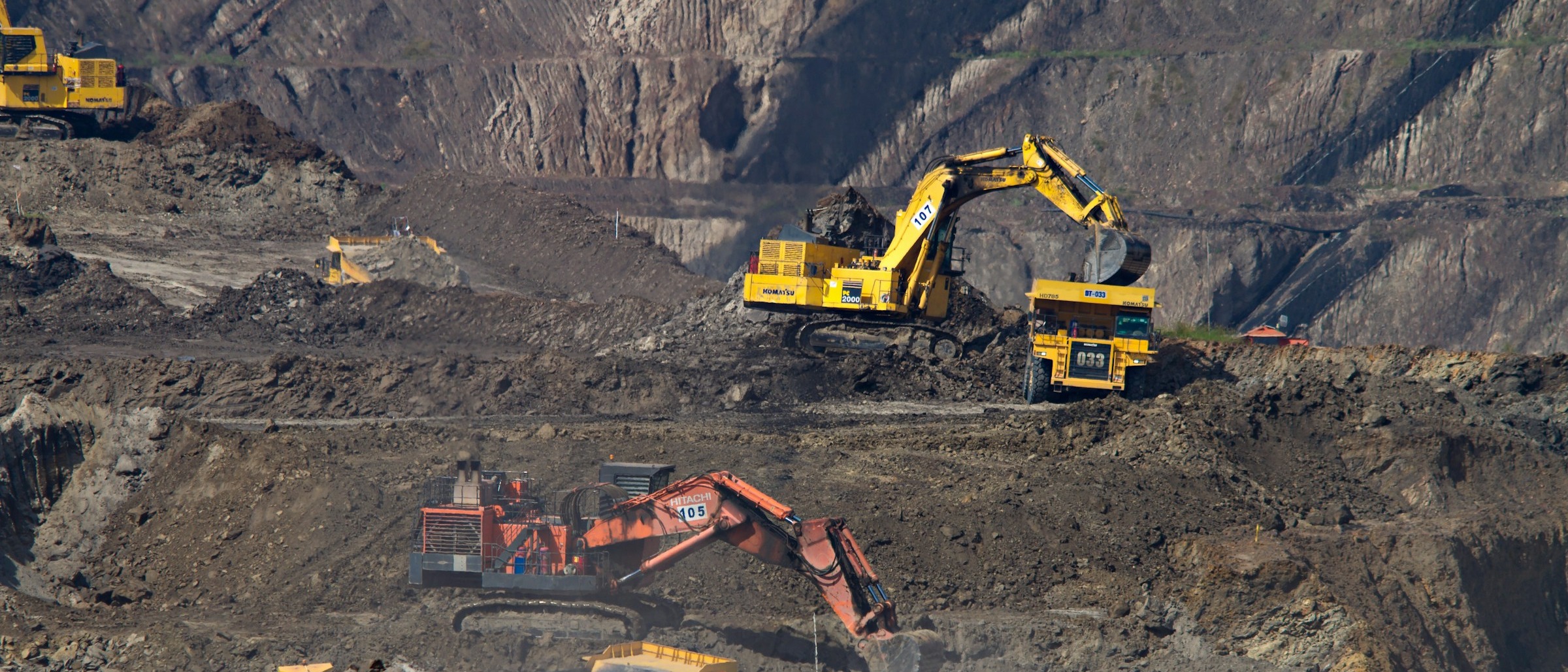

For forty years, Washington accepted a simple premise: let global markets determine where strategic industries are built and where critical supply chains reside. That philosophy may have lowered costs and expanded trade, but it also left the United States dangerously dependent on geopolitical competitors for the materials that power artificial intelligence, semiconductors, advanced manufacturing, and the very weapons systems that protect our nation. Project Vault signals that era is over.
The Trump administration’s decision to establish a Strategic Critical Minerals Reserve is more than another federal initiative it is a strategic recognition that economic security and national security are now intertwined. Some critics of the plan see government intervention in the marketplace. History may remember it as the moment America returned to strategic industrial policy.
At the White House announcement, President Donald Trump framed the objective succinctly: the initiative is intended to ensure “American businesses and workers are never harmed by any shortage.”
This past week, Trump unveiled a new executive order that seeks to end waivers for contractors from purchasing critical minerals from prohibited foreign suppliers like China beginning on January 1, 2027. This tightening of the rules is necessary to ensure that companies seeking to do business with the Federal government comply, and work within our trusted supply chain.
This represents a bold departure from previous administrations. For decades, policymakers assumed globalization would reliably deliver the materials America’s economy required. That assumption no longer reflects reality. China spent years methodically building dominance not only in mining, but in refining, processing, and manufacturing the permanent magnets and advanced materials essential to modern industry. Those capabilities now underpin everything from F-35 fighters and precision-guided munitions to data centers, electric vehicles, satellites, and quantum computing.
Interior Secretary Doug Burgum captured the strategic shift when he credited the administration with doing more to expand domestic mining and mineral development than perhaps any previous president, arguing that rebuilding America’s mining sector is central to both national security and industrial renewal.
Project Vault should not be viewed as a stockpile alone. It is the foundation of an integrated industrial strategy.
The CHIPS and Science Act sought to restore America’s ability to manufacture advanced semiconductors. Project Vault addresses an equally important question: Where will the materials come from? Semiconductors cannot be manufactured without secure supplies of rare earth elements and other critical minerals. AI cannot scale adequately without advanced chips. America’s defense industrial base cannot modernize without resilient and reliable supply chains.
The initiative also represents a different model of government involvement. Rather than creating another subsidy program, Export-Import Bank Chairman John Jovanovic described Project Vault as “a uniquely American solution” that combines private capital, manufacturers, miners, and government financing while seeking to avoid long-term taxpayer subsidization. That distinction matters.