




Regulators Move Two Uranium Plants Forward That Could Loosen Russia’s Grip On US Nuclear Fuel
Federal regulators moved two planned American uranium enrichment plants closer to licensing as the country works to end its reliance on Russian nuclear fuel.
Simon August · Nov 27, 2026 · 2 min read
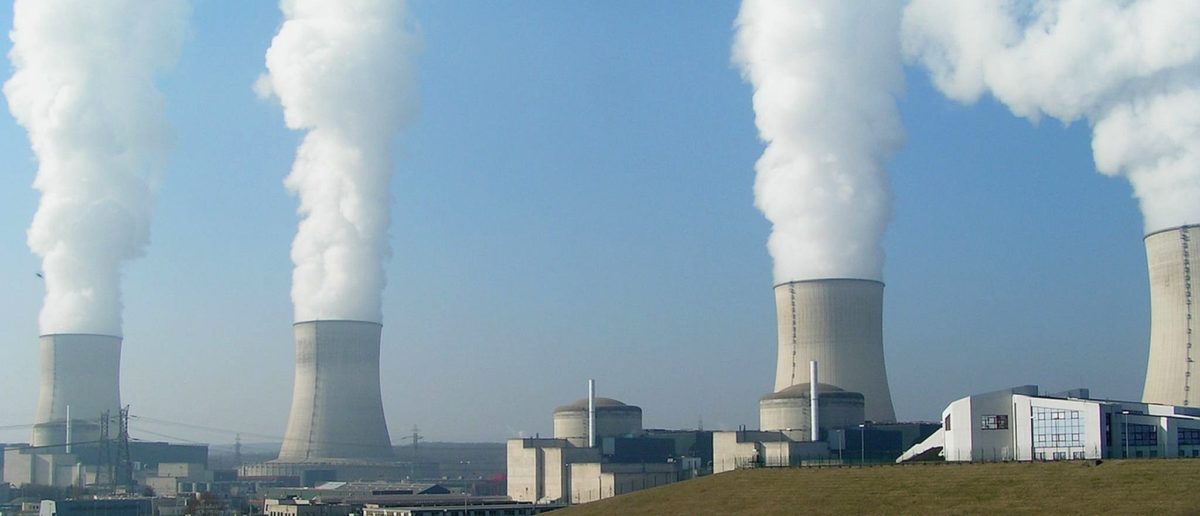

Federal regulators moved two planned American uranium enrichment plants closer to licensing as the country works to end its reliance on Russian nuclear fuel.
The Nuclear Regulatory Commission (NRC) opened an environmental review on Friday of General Matter’s proposed plant near Paducah, Kentucky, the agency said in a Federal Register notice. NRC staff recommended licensing Orano’s planned plant near Oak Ridge, Tennessee, in a draft environmental impact statement, a separate notice published two days earlier stated.
“The NRC staff’s preliminary recommendation, unless safety issues mandate otherwise, is that the NRC issue the license to construct and operate the proposed enrichment facility to Orano,” the notice said.
Neither notice is a final licensing decision. The public can comment on Orano’s draft until Jan. 11, 2027, according to the Orano notice.
General Matter’s review is at an earlier stage. The NRC will take written comments on what its study should cover through Dec. 28, the agency said. It plans no public scoping meeting.
The NRC, General Matter and Orano did not immediately respond to the Daily Caller News Foundation’s requests for comment.
Russia supplied 26 percent of the enrichment that owners and operators of U.S. nuclear plants bought in 2025, more than the 23 percent of U.S. origin, the Energy Information Administration (EIA) reported.
A 2024 law bans imports of Russian low-enriched uranium, but it allows Energy Department waivers that must end by Jan. 1, 2028, the statute states.
General Matter applied in September for a license to build and run the Kentucky plant for up to 40 years on about 107 acres leased from the Energy Department, the NRC said. The land sits at the department’s Paducah Site, which includes a former gaseous diffusion plant.