




Senate Deal Headed To House Could Make Data Centers Pay $55 Billion For Power Lines
Artificial intelligence data centers could face much larger bills for the power lines they use under a permitting deal now headed to the House.
Simon August · Nov 25, 2026 · 7 min read
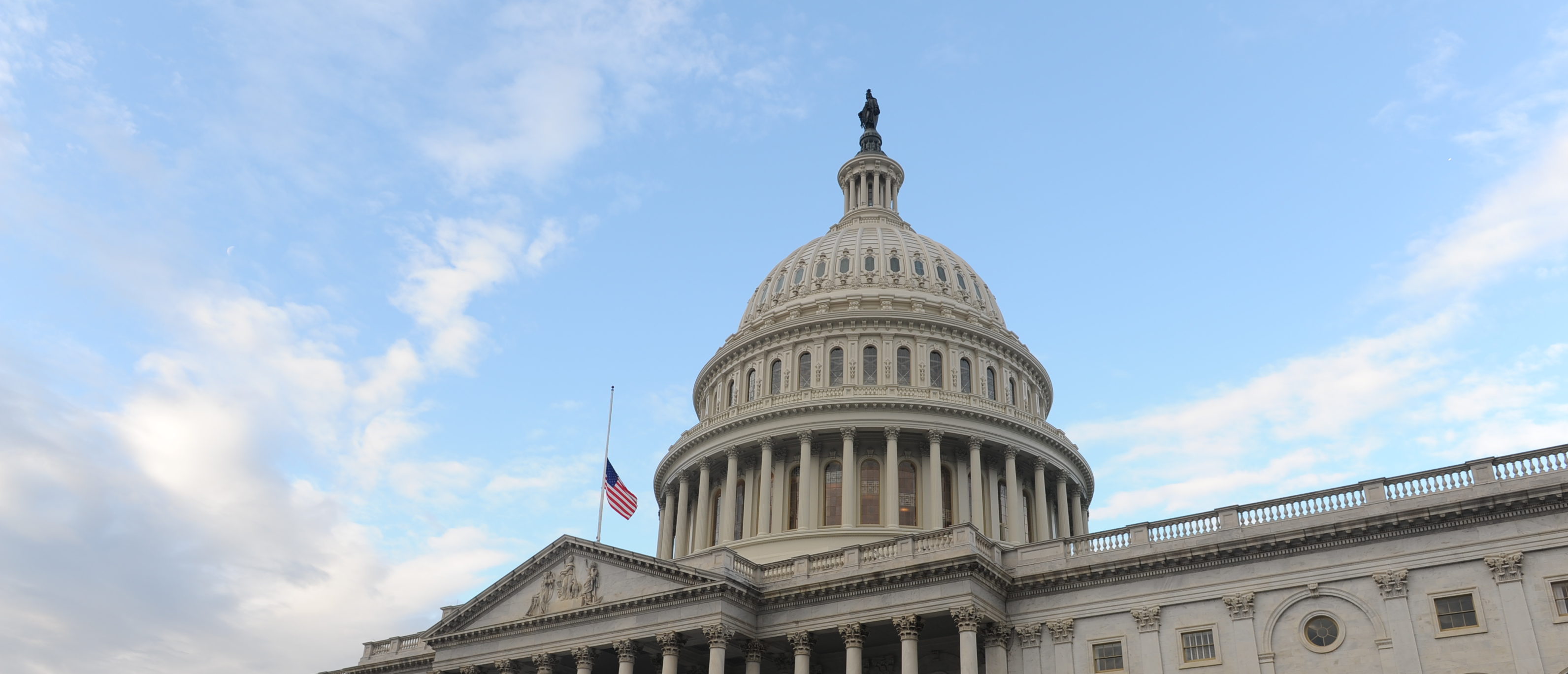

Artificial intelligence data centers could face much larger bills for the power lines they use under a permitting deal now headed to the House.
New data centers would pay roughly $55 billion in transmission charges over 10 years under the Senate-passed Bipartisan American Affordability and Jobs Act (BAAJA), including about $35 billion more than they would owe without it, consulting firm Grid Strategies estimated. The House has yet to vote on it, and federal regulators would write the rule setting the charges only if President Donald Trump signs it.
Data centers currently pay around $2 billion a year to use the lines. The bill would mean “an annual increase of approximately $3.5 billion” compared with no bill at all, “yielding an additional $35 billion collected over 10 years,” Grid Strategies wrote. That $35 billion is part of the $55 billion.
“The proposed changes in the bill mean data centers will more than pay for their use and upgrades to the transmission system,” Judge Glock, the Manhattan Institute’s director of research and a senior fellow, said in a statement to the Daily Caller News Foundation.
The White House supports the data center language. The bill would make Trump’s Ratepayer Protection Pledge “the law of the land,” the White House Office of Management and Budget said in a Nov. 9 statement of administration policy on S. 5653, the Senate bill.
“This Administration has consistently insisted that the costs of serving hyperscale load must be borne by those who cause them, not socialized to households and small businesses,” the statement said. “S. 5653 writes that principle into Federal law.”
“BAAJA would end data center free-loading and require current and future data centers to pay for the upgrades to the grid that their huge electricity consumption requires, without passing off any of their costs to consumers, which they are currently doing,” Democratic Rhode Island Sen. Sheldon Whitehouse said in a Monday statement that cited the Grid Strategies numbers.
The Federal Energy Regulatory Commission (FERC) would have to rewrite a pricing policy it set in 1994 so that utilities bill data center customers for the “embedded cost” of the grid that already exists, plus “a reasonable assessment” of the “incremental cost” of new lines built for them, the Senate-passed text states.
Charging both is known as “and” pricing, and FERC has not allowed it because the agency found it would bill customers more than the service costs, the Grid Strategies paper said.