




Senate Passes Landmark Permitting Reform Bill
The Senate passed major permitting reform legislation in a last-ditch effort to lower energy costs before the next Congress.
Nicole Silverio · Nov 20, 2026 · 5 min read
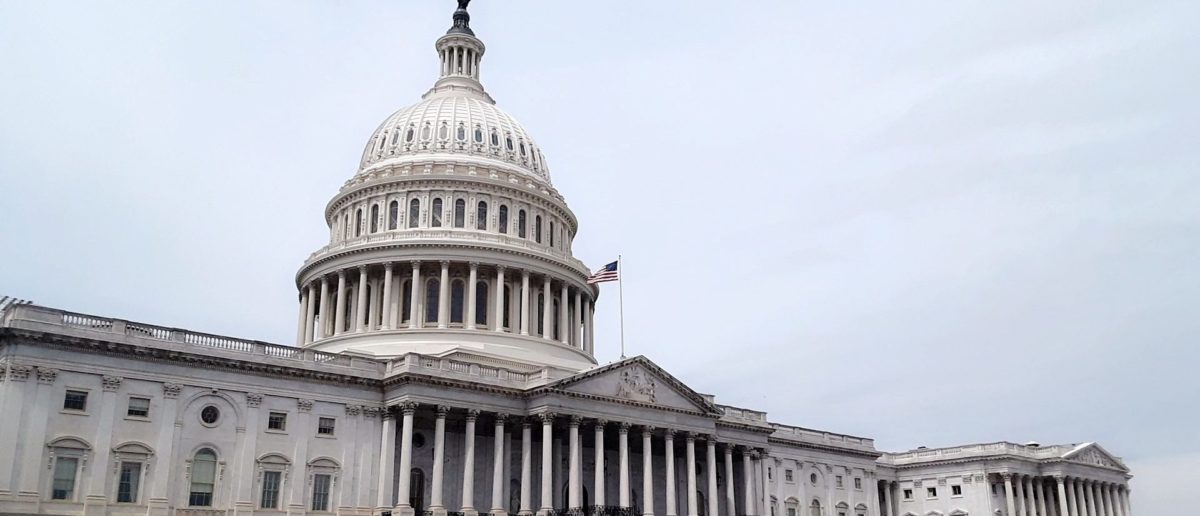

The Senate passed major permitting reform legislation in a last-ditch effort to lower energy costs before the next Congress.
The Bipartisan American Affordability and Jobs Act of 2026 (BAAJA) aims to speed up federal reviews for energy and infrastructure by reducing red tape, making data centers pay for their own electric grid costs and setting strict deadlines for federal environmental reviews. The legislation garnered enough Democratic support to pass, although many Democrats expressed opposition to its current version.
House Minority Leader Hakeem Jeffries opposed the current version because of its proposed changes to the National Environmental Policy Act (NEPA), requires federal agencies to consider the environmental effects of major federal actions, according to Bloomberg. Some further-left House Democrats want to delay the bill’s passage until they can come up with a better deal after they retake Congress.
A Congressional Research Service summary found that the version Republican West Virginia Sen. Shelley Moore Capito introduced would cut the number of federal actions that need a NEPA review. The revised text would also set deadlines for agencies to decide on permit applications after environmental reviews.
The legislation would permit more actions to fall outside of NEPA review and places a 150-day statute of limitations for NEPA claims.
BAAJA was negotiated by Capito, Republican Utah Sen. Mike Lee, Democratic New Mexico Sen. Martin Heinrich and Democratic Rhode Island Sen. Sheldon Whitehouse. President Donald Trump urged senators to pass the bill before Democrats take over Congress in January.
The bill would also eliminate Interior Department drilling permits for certain oil and gas wells on nonfederal land, while preserving applicable state requirements. It would direct the Federal Energy Regulatory Commission (FERC) and electric utilities to charge data centers for their own infrastructure upgrades and prohibit utilities from shifting those costs onto regular households.
The current version will move to the House for final passage before it can reach President Donald Trump’s desk.
Democratic Oregon Sen. Jeff Merkley said the bill promoted the burning of fossil fuels, which in turn would not address climate change.