




Senate Permitting Deal Could Give Opponents Just 150 Days To Sue Over Energy Projects Instead Of Six Years
Senate negotiators said Monday they reached a permitting deal that could give opponents of energy projects 150 days to sue instead of six years.
Simon August · Sep 29, 2026 · 3 min read
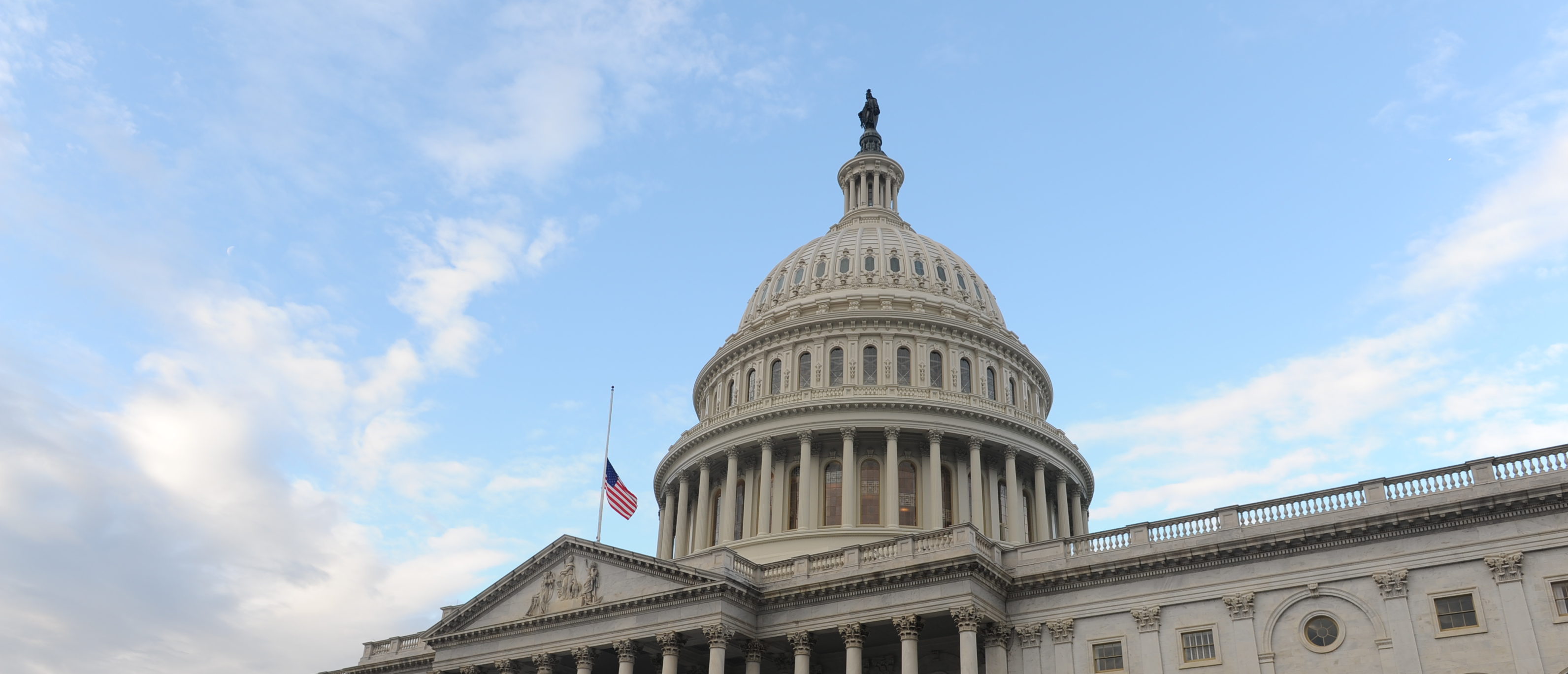

Senate negotiators said Monday they reached a permitting deal that could give opponents of energy projects 150 days to sue instead of six years.
Negotiators aim to release the text this week, though a vote is unlikely before the Senate breaks prior to the midterm elections. A version Republicans shared with stakeholders Friday sets a 150-day deadline for lawsuits under two federal laws that govern environmental and historic reviews of major projects, Politico reported Monday.
The bill would need to pass the Senate and the House and be signed by President Donald Trump to become law.
The National Environmental Policy Act (NEPA) requires federal agencies to review the environmental effects of proposed projects, and a completed review can currently face a legal challenge for up to six years under the default deadline in federal law, according to the Bipartisan Policy Center.
“We have reached a deal on text,” an aide to Democratic New Mexico Sen. Martin Heinrich, the top Democrat on the Senate Energy and Natural Resources Committee, told Politico.
Republican West Virginia Sen. Shelley Moore Capito, who chairs the Senate Environment and Public Works Committee, said the goal is to release details of the agreement before the end of the week, according to the outlet. She added that lawmakers “are running out of time” before the recess.
Democratic Rhode Island Sen. Sheldon Whitehouse, the committee’s top Democrat, said Democrats still want clarity on how the Trump administration would handle wind and solar approvals.
“[We need] more clarity from the Trump administration on what their return to regular order means,” Whitehouse told Politico.
The offices of Capito, Heinrich, Whitehouse and Republican Utah Sen. Mike Lee, the fourth lead negotiator, did not immediately respond to the DCNF’s requests for comment.