




SpaceX First In Line As Texas Resumes Data Center Permitting
David Blackmon · Nov 21, 2026 · 4 min read
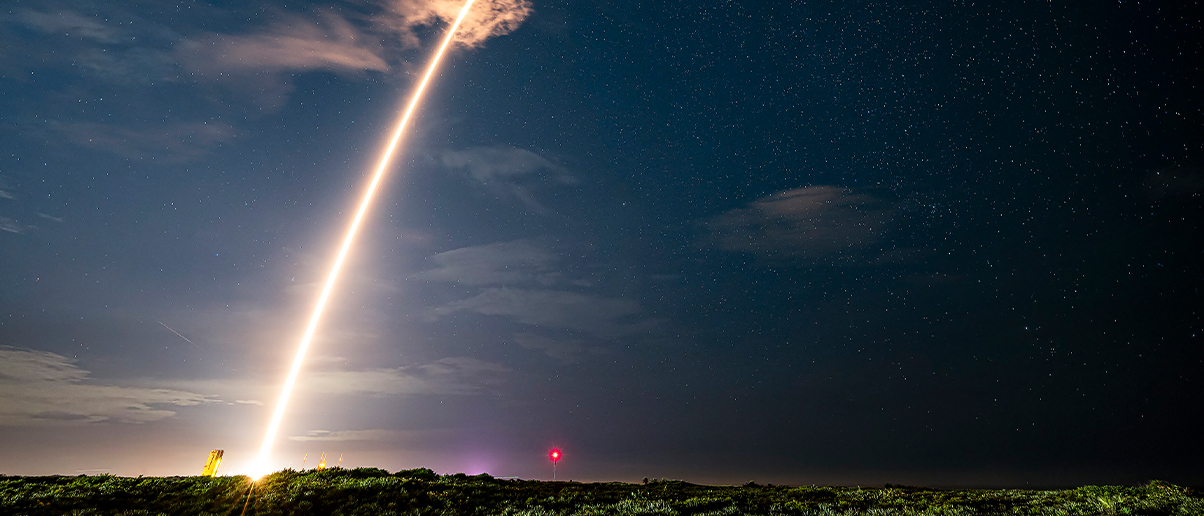

The Texas Commission on Environmental Quality (TCEQ) issued an air permit on Nov. 16 for SpaceX’s planned data center and gas-fired power plant on a 444-acre site near the Port of Brownsville, inside the city of Starbase. Politico reports that the project will include 35 natural gas turbines, 750 megawatts of generation, enough to run a supercomputing campus without draining the grid.
So, a company wants to put more than $24 billion into South Texas, build its own gas-fired generation and keep its load off the grid, which seems like exactly the model Texas Gov. Greg Abbott had touted for the last year or more. The mystery is why this permit had to wait for an election to be over to be issued.
The SpaceX plan was always to build its own behind-the-meter power. That’s the whole ballgame if you’ve spent the last year fretting that data centers will crash the Electric Reliability Council of Texas (ERCOT) grid and stick households with the bill. This project does not ask ERCOT for a hookup, and SpaceX specifically says the point is to make sure its energy demands “do not compete with local homes or businesses or shift generation costs onto existing ratepayers.” If you are serious about protecting the grid, this is the model you promote — not the one you freeze.
The company also says the campus is expected to support more than 500 permanent jobs, has already generated more than 3,000 construction jobs, and that it is committing $220 million to expand Brownsville’s water and wastewater systems. So, bring your own power, pay for water system improvements, and don’t dump the costs on the neighbors.
How did this project get stuck in Abbott’s freezer?
SpaceX filed the air permit registration on Sept. 8. Thirteen days later, Abbott told TCEQ to halt data center permits until ERCOT “completes its review.” His letter said data centers “must pay their own way, protect our grid and water.” Cool, as far as it goes. The SpaceX plan had always been designed to do exactly that.
But the Sept. 21 order was not really about grid hookups. Abbott had already paused data center interconnections in August. The TCEQ freeze was aimed at behind the meter projects — the ones that generate their own power and might otherwise bypass the ERCOT system. In other words, Texas specifically delayed projects that would not burden the grid because the Governor was looking for political cover during a tough reelection race. That isn’t energy policy — it’s a campaign tactic.
Abbott lost overwhelmingly to Democrat Gina Hinojosa on November 3. On Friday, November 13, his office notified TCEQ that ERCOT had finished gathering information on community impacts — just one of several issues he had asked the grid operator to study. On Monday, TCEQ resumed its normal permit review process, issuing the SpaceX permit the same day.
But ERCOT’s full findings are not due until Dec. 10, and TCEQ is not scheduled to review them until a week later. Nothing about the SpaceX project’s turbines, its acreage, or its off-grid design changed between Sept. 8 and Nov. 16. The only things that changed were the calendar and the person who will be Governor of Texas after the first of the year.