




This Supposedly New-Fangled Toothpaste Is Actually 50 Years Old And Could Be Better Than Fluoride
Spokespersons from the American Dental Association continue to paint a fluoride-free mineral used in alternative toothpastes as a new-fangled social-media fad — but research going back fifty decades disputes these claims.
Libby Bandelin · Nov 3, 2026 · 4 min read
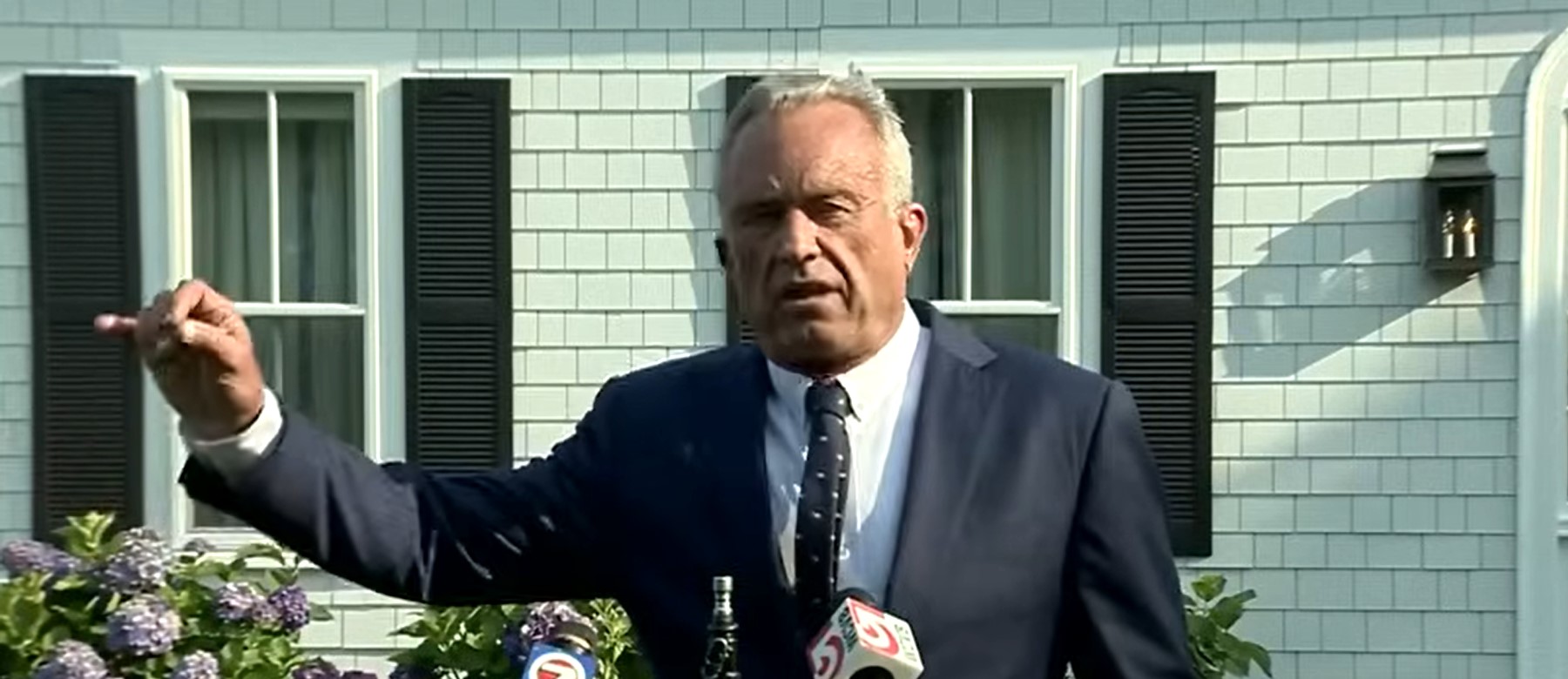

Spokespersons from the American Dental Association continue to paint a fluoride-free mineral used in alternative toothpastes as a new-fangled social-media fad — but research going back at least 50 years disputes these claims.
A number of dentistry academics discussed the alternative toothpaste hydroxyapatite during a segment for National Public Radio’s “Healthy or Hype” series on Monday — claiming that research on the fluoride free mineral is new and un-studied. However, hydroxyapatite in oral care has a documented research history from Japan that dates back to the early 1970’s and is widely used in many countries apart from the U.S.
On the segment, NPR hosted Dr. Jin-Ho Phark, a dentistry practitioner at University of Southern California and an ADA consumer advisor spokesperson.
A number of Phark’s students and patients have come to him asking about hydroxyapatite and he told NPR that the product is “being pushed by influencers and other people quite intensively” on social media.
Another ADA consumer advisor spokesperson, Dr. Ada Cooper, said that research on the ingredient is new “and evidence regarding its clinical effectiveness remains limited and ambiguous, especially regarding clinical indications,” in an email to NPR.
However, this “new” ingredient appearing in U.S. markets has been a standard dental ingredient in Japan for over four decades and has extensive studies supporting its use across Europe.
“Hydroxyapatite is one of the most studied biomaterials in the medical field for its proven biocompatibility and for being the main constituent of the mineral part of bone and teeth,” a 2014 study from the Italian Journal of Odontostomatologic Sciences found. “In terms of restorative and preventive dentistry, nano-hydroxyapatite has significant remineralizing effects on initial enamel lesions, certainly superior to conventional fluoride, and good results on the sensitivity of the teeth.”
The mineral’s unique ability to chemically bond to bone, stimulate bone growth and not cause inflammation, has caused it to be widely used in periodontology and in oral and maxillofacial surgery, the study reported back in 2014.
NASA originally developed the enamel-restoring technology in 1972 as a way to address mineral loss in astronauts from their time in space.